Tree Mallow
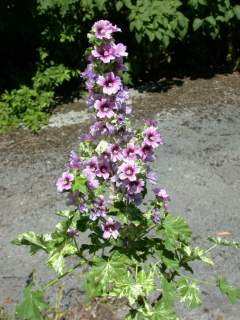
Lavatera arborea, commonly known as the Tree Mallow, is a plant species that belongs to the Malvaceae family. This biennial or short-lived perennial plant is native to the coastal regions of Europe, particularly the Mediterranean. It has also been naturalized in other parts of the world, including North America and Australia. The plant is known for its striking appearance, rapid growth, and various uses in traditional medicine and horticulture.
Botanical Characteristics
Appearance
Lavatera arborea can grow up to 2-3 meters in height, making it a relatively tall plant. It has a woody stem that becomes more robust as the plant matures. The leaves are large, lobed, and have a soft, velvety texture. They are typically dark green and can grow up to 20 cm in diameter.
Flowers
One of the most striking features of Lavatera arborea is its flowers. The plant produces large, showy blooms that are usually pink to purple with darker veins. Each flower has five petals and can be up to 7 cm in diameter. The flowering period typically occurs from late spring to early autumn, providing a long-lasting display of color.
Seeds and Fruit
The plant produces small, disc-shaped seeds that are contained within a capsule. These seeds are easily dispersed by wind and water, contributing to the plant's ability to colonize new areas rapidly.
Habitat and Growing Conditions
Lavatera arborea thrives in coastal environments, often found on cliffs, sand dunes, and rocky shores. It prefers well-drained soil and can tolerate a range of soil types, including sandy and loamy soils. The plant is also highly salt-tolerant, making it well-suited for maritime conditions.
Light and Water Requirements
The Tree Mallow prefers full sun but can tolerate partial shade. It requires moderate watering, especially during dry periods. However, it is relatively drought-tolerant once established.
Temperature and Hardiness
Lavatera arborea is hardy in USDA zones 7-10. It can withstand mild frost but may suffer in prolonged freezing conditions. In colder climates, it is often grown as an annual.
Uses and Benefits
Ornamental Use
Due to its attractive flowers and foliage, Lavatera arborea is commonly used in ornamental gardening. It can be planted as a specimen plant or in mixed borders to add height and color. The plant is also suitable for coastal gardens due to its salt tolerance.
Medicinal Uses
Traditionally, various parts of the plant have been used for medicinal purposes. The leaves and flowers are known for their emollient and anti-inflammatory properties. They have been used to treat skin conditions, respiratory issues, and digestive problems. However, it is essential to consult a healthcare provider before using the plant for medicinal purposes.
Ecological Benefits
Lavatera arborea plays a crucial role in coastal ecosystems. It provides habitat and food for various insects, including bees and butterflies. The plant's extensive root system helps stabilize soil, preventing erosion in coastal areas.
Cultivation and Care
Propagation
Lavatera arborea can be propagated from seeds or cuttings. Seeds should be sown in spring or early summer. They can be started indoors and transplanted outside once the seedlings are strong enough. Cuttings can be taken in late summer and rooted in a well-draining medium.
Pruning
Regular pruning helps maintain the plant's shape and encourages more vigorous growth. Deadheading spent flowers can also prolong the blooming period.
Pests and Diseases
The plant is relatively pest-resistant but can be affected by aphids, spider mites, and whiteflies. Fungal diseases such as rust and powdery mildew can also occur, especially in humid conditions. Proper spacing and good air circulation can help prevent these issues.