Soil Texture
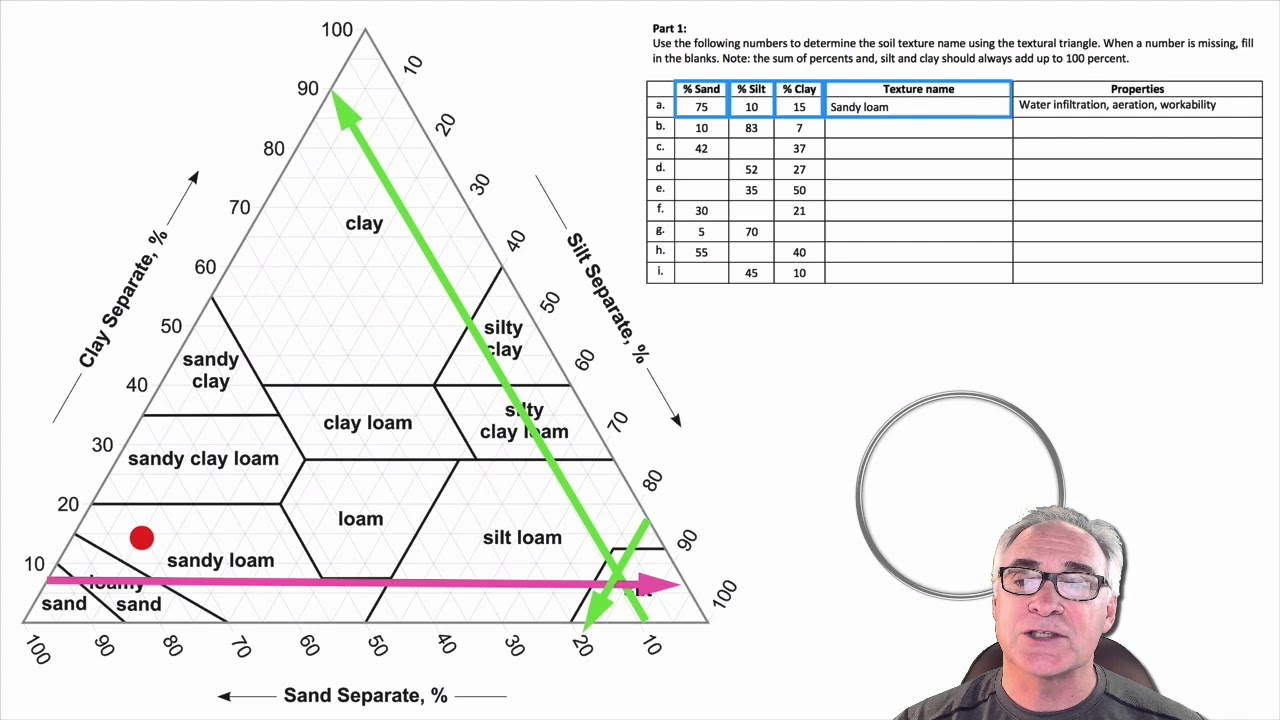
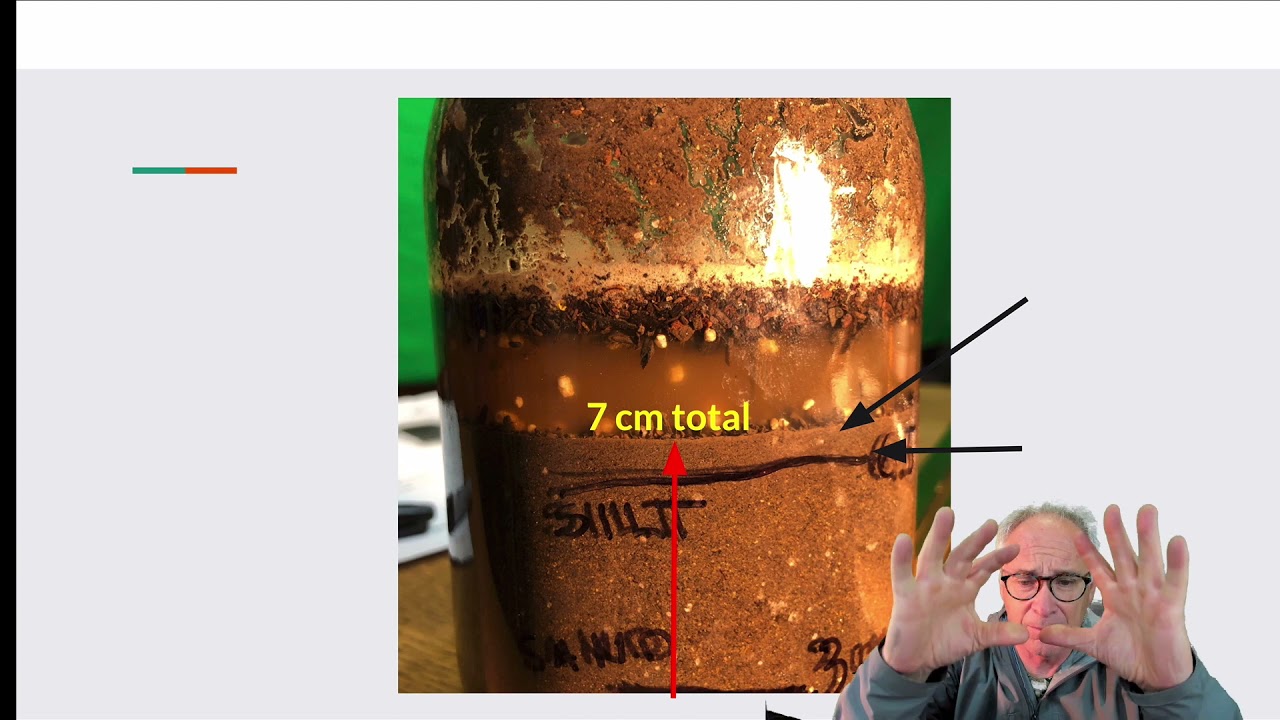
Determining soil texture
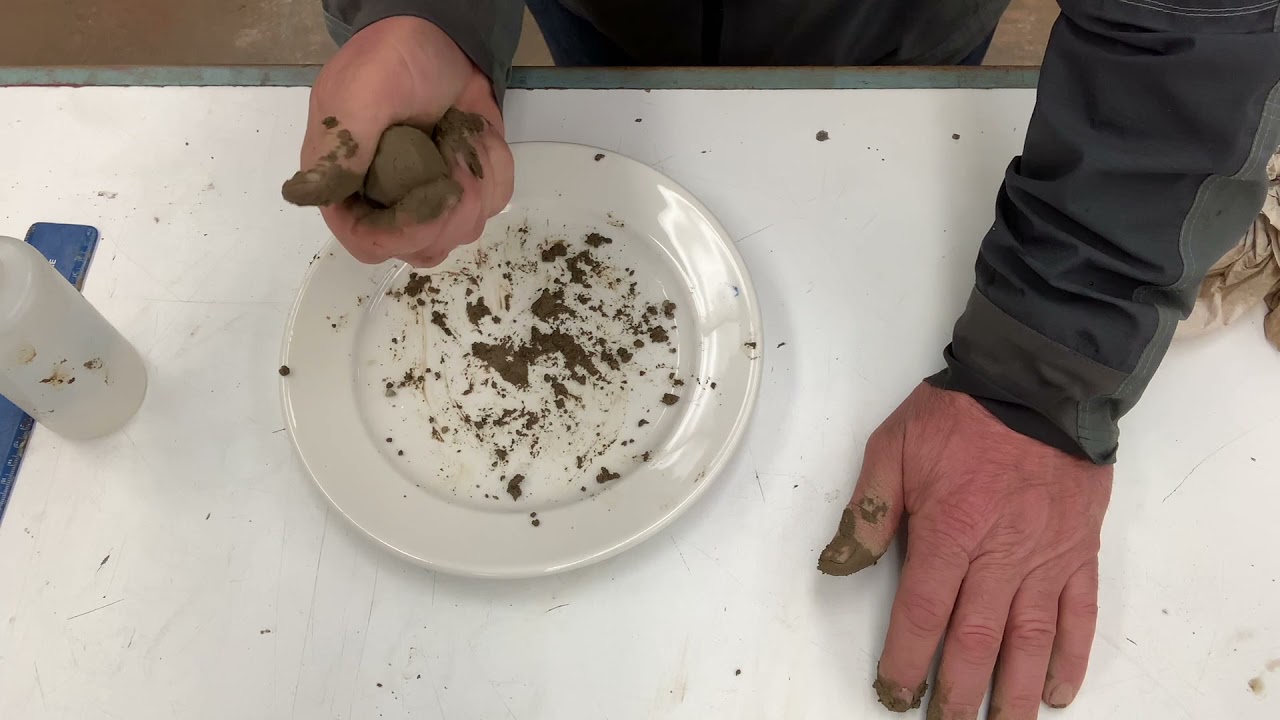
Texture by feel

Understanding the Soil Texture Triangle
The soil texture triangle is a fundamental tool used in soil science to classify soil types based on their texture. Soil texture refers to the proportion of three mineral particles: sand, silt, and clay. These particles vary in size, with sand being the largest, silt intermediate, and clay the smallest. The texture of soil affects its physical and chemical properties, influencing water retention, drainage, aeration, and nutrient availability, which are crucial for plant growth.
Components of Soil Texture
- Sand:
* Sand particles are the largest, ranging from 0.05 to 2.0 millimeters in diameter.
* Soils high in sand content are typically well-drained and have good aeration but low nutrient retention.
* Sandy soils are often found in arid regions and are prone to drought.
- Silt:
* Silt particles are medium-sized, ranging from 0.002 to 0.05 millimeters.
* Silty soils have a smooth texture and retain more moisture than sandy soils.
* They are fertile and support a wide range of plant life but can be prone to erosion.
- Clay:
* Clay particles are the smallest, less than 0.002 millimeters in diameter.
* Clay-rich soils have high water retention and nutrient-holding capacity.
* These soils can become compacted and poorly drained, making them challenging for root penetration.
The Soil Texture Triangle
The soil texture triangle is a graphical representation that helps determine the texture class of a soil sample based on the relative percentages of sand, silt, and clay. The triangle is divided into 12 texture classes, each representing a different combination of these three components.
How to Use the Soil Texture Triangle
- Determine Percentages:
* Begin by determining the percentage of sand, silt, and clay in a soil sample. This can be done through laboratory analysis or field tests.
- Locate on the Triangle:
* Using the soil texture triangle, locate the point where the three percentages intersect. Each side of the triangle represents one of the soil components, with scales running from 0% to 100%.
- Identify Texture Class:
* The intersection point will fall within one of the 12 texture classes, such as loam, sandy loam, clay loam, etc. Each class has distinct characteristics that influence soil behavior.
Importance of Soil Texture
Understanding soil texture is crucial for several reasons:
- Agricultural Practices:
- Soil texture affects water management, tillage practices, and crop selection. For instance, sandy soils may require more frequent irrigation, while clay soils may need careful management to prevent waterlogging.
- Soil Fertility:
- Texture influences the soil's ability to hold nutrients. Clay soils, with their high cation exchange capacity, can retain more nutrients than sandy soils.
- Erosion Control:
- Soils with high silt content are more prone to erosion. Understanding texture helps in implementing appropriate soil conservation measures.
- Construction and Engineering:
- Soil texture affects the stability and suitability of soil for construction projects. Clay soils, for example, can expand and contract, affecting building foundations.
Limitations of the Soil Texture Triangle
While the soil texture triangle is a valuable tool, it has limitations:
- Does Not Account for Organic Matter:
- The triangle does not consider organic matter, which can significantly influence soil properties.
- Ignores Soil Structure:
- Soil structure, or the arrangement of soil particles, also affects soil behavior but is not represented in the triangle.
- Limited to Mineral Content:
- The triangle focuses solely on mineral content, excluding other factors like soil pH, salinity, and biological activity.