Necrotizing Enterocolitis
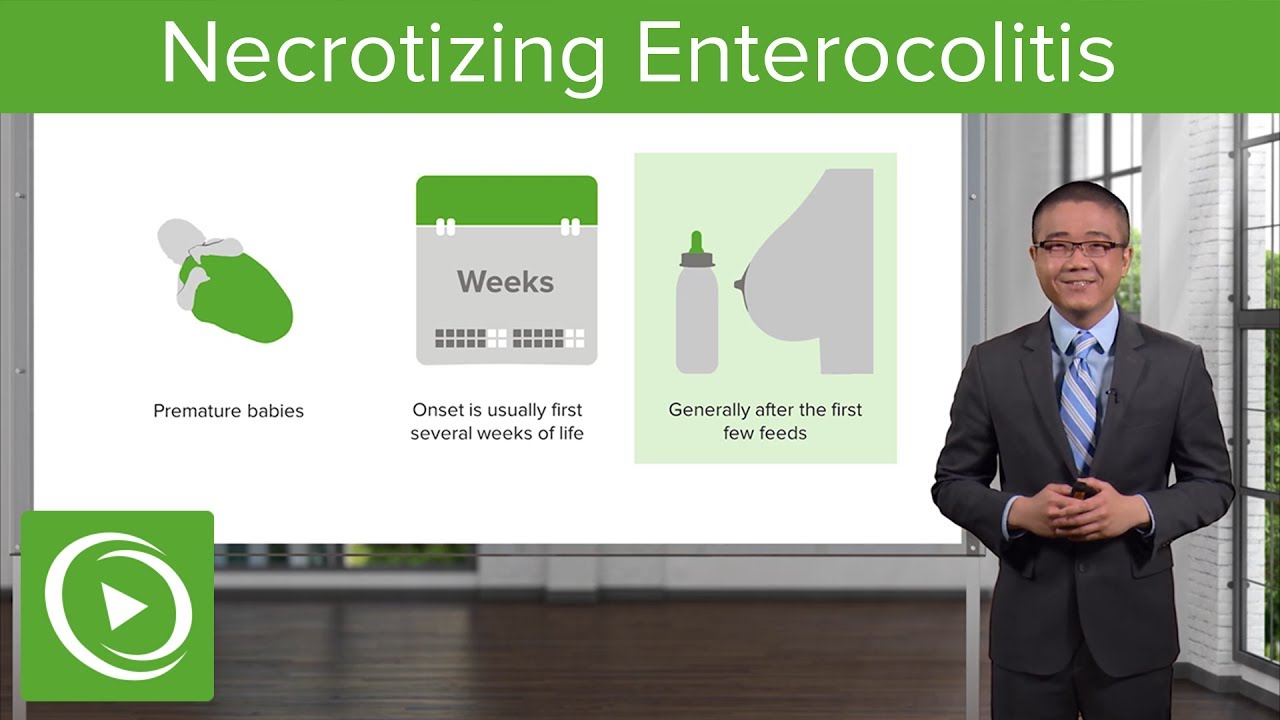
Necrotizing Enterocolitis (NEC) is a serious gastrointestinal problem that primarily affects premature infants. It involves inflammation and bacterial invasion of the intestine, which can lead to the death of intestinal tissue. This condition is considered a medical emergency and requires prompt treatment to prevent severe complications.
Causes and Risk Factors
The exact cause of NEC is not fully understood, but several factors are believed to contribute to its development:
- Prematurity: The most significant risk factor for NEC is prematurity. The underdeveloped intestines of premature infants are more susceptible to injury and infection.
- Formula Feeding: Infants fed with formula rather than breast milk are at a higher risk. Breast milk contains protective factors that help prevent NEC.
- Intestinal Ischemia: Reduced blood flow to the intestines can lead to tissue damage and increase the risk of NEC.
- Bacterial Infection: An imbalance in the gut microbiota or the presence of harmful bacteria can trigger NEC.
- Genetic Factors: Some studies suggest a genetic predisposition to NEC, although more research is needed in this area.
Symptoms
NEC can present with a variety of symptoms, which may include:
- Abdominal Distension: Swelling of the abdomen is a common sign.
- Feeding Intolerance: Infants may have difficulty feeding or show signs of discomfort after feeding.
- Vomiting: This can sometimes be bilious (greenish in color).
- Bloody Stools: The presence of blood in the stool is a concerning symptom.
- Lethargy: Affected infants may appear unusually tired or inactive.
- Temperature Instability: Fluctuations in body temperature can occur.
Diagnosis
Diagnosing NEC involves a combination of clinical evaluation and diagnostic tests:
- Physical Examination: A thorough examination by a healthcare provider to assess symptoms.
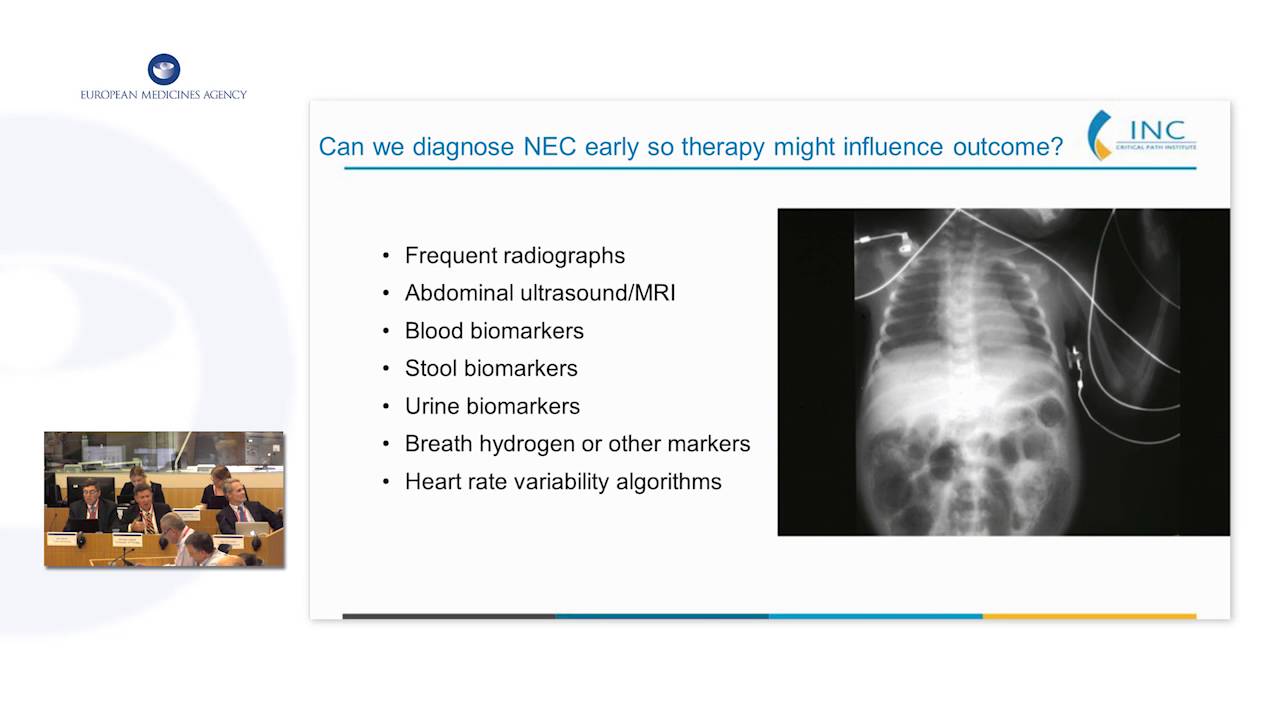
- Abdominal X-rays: These can reveal signs of intestinal damage, such as air in the intestinal wall or free air in the abdominal cavity.
- Blood Tests: These may show signs of infection or inflammation, such as elevated white blood cell counts.
- Stool Tests: To check for the presence of blood or abnormal bacteria.
Treatment
The treatment of NEC depends on the severity of the condition:
- Medical Management: Involves stopping oral feedings, providing intravenous fluids and nutrition, and administering antibiotics to treat or prevent infection.
- Surgical Intervention: In severe cases, surgery may be necessary to remove the damaged portion of the intestine. This is typically considered when there is evidence of perforation or necrosis.
- Supportive Care: Includes monitoring vital signs, maintaining fluid and electrolyte balance, and providing respiratory support if needed.
Prevention
Preventing NEC is challenging, but certain strategies can reduce the risk:
- Breastfeeding: Encouraging the use of breast milk, which contains protective antibodies and nutrients.
- Probiotics: Some studies suggest that probiotics may help in maintaining a healthy gut microbiota and reducing the incidence of NEC.
- Careful Feeding Practices: Gradually increasing feeding volumes and monitoring for signs of intolerance.
- Infection Control: Maintaining strict hygiene practices in neonatal intensive care units to prevent infections.
Prognosis and Long-term Outcomes
The prognosis for infants with NEC varies depending on the severity of the disease and the timeliness of treatment. While many infants recover fully, some may experience long-term complications such as:
- Short Bowel Syndrome: Resulting from the surgical removal of large sections of the intestine.
- Growth and Developmental Delays: Due to prolonged illness and nutritional deficiencies.
- Intestinal Strictures: Narrowing of the intestines that can cause obstruction.
ARTICLES/STUDIES
- Probiotic supplementation reduces the frequency of necrotising enterocolitis in preterm neonates with very low birth weight.
- The emerging role of exosomes in the pathogenesis, prognosis and treatment of necrotizing enterocolitis.
- Sulforaphane ameliorates the intestinal injury in necrotizing enterocolitis.
- The protective effect of sulforaphane on ER-induced apoptosis and inflamamiton in necrotizing enterocolitis.
- Enteral lactoferrin supplementation for preventing sepsis and necrotizing enterocolitis in preterm infants.
- Bovine lactoferrin supplementation for prevention of necrotizing enterocolitis in very-low-birth-weight neonates.
- Probiotic guideline for necrotizing enterocolitis prevention in very low-birth-weight neonates
- This review considers the implications of using probiotic, prebiotic, and synbiotic-supplemented breast milk to prevent necrotizing enterocolitis.
- Probiotics for prevention of necrotizing enterocolitis in preterm infants
- Probiotic targeted therapies may provide effect strategies to prevent and treat necrotizing enterocolitis and antibiotic-associated diarrhea.
- Probiotics significantly reduced necrotizing enterocolitis.
- Berberine may be a potential therapeutic agent for the treatment of patients with neonatal necrotizing enterocolitis.
- Lactobacillus paracasei subsp. paracasei F19 in Bell's stage 2 of necrotizing enterocolitis.
- Probiotics and the prevention of necrotizing enterocolitis.
- This review considers the implications of using probiotic, prebiotic, and synbiotic-supplemented breast milk to prevent necrotizing enterocolitis.
- Astragaloside IV ameliorates necrotizing enterocolitis.
- Effects of probiotics and lactoferrin on necrotizing enterocolitis in preterm infants.
- Melatonin alleviates neonatal necrotizing enterocolitis.
- Astaxanthin alleviates inflammatory response in neonatal necrotizing enterocolitis.