Garlic Oil
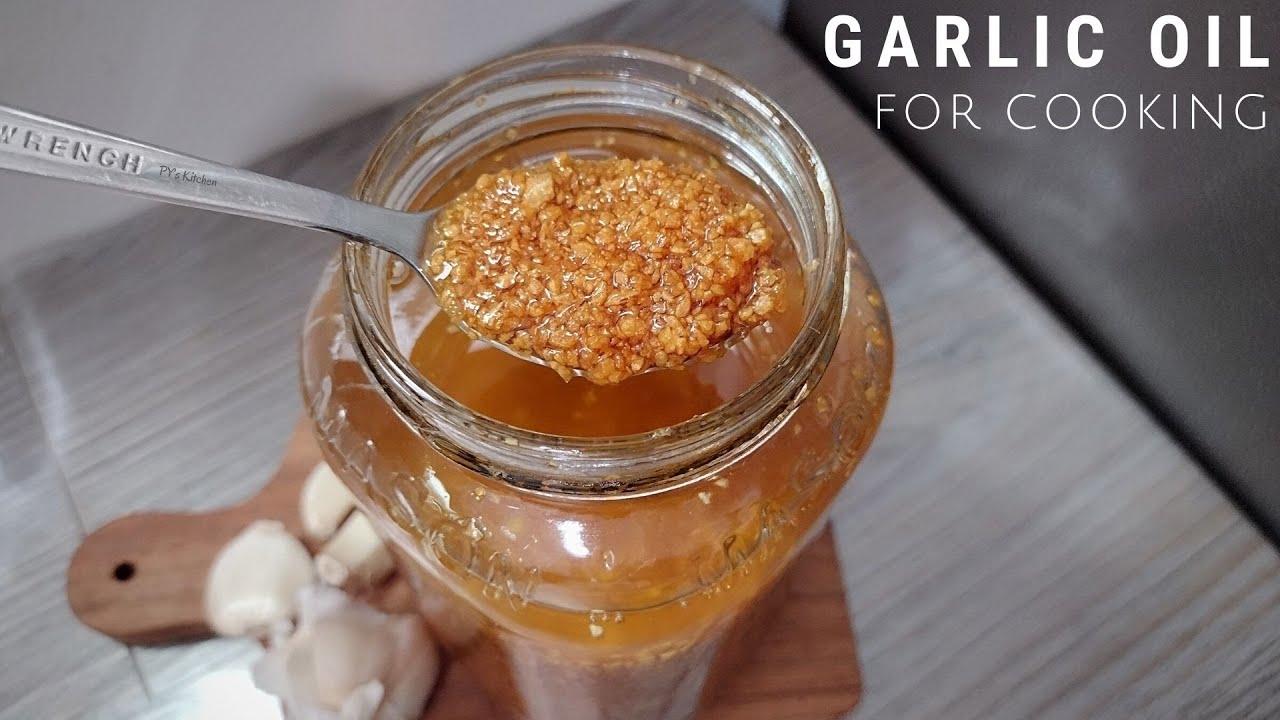
Garlic oil is a versatile and potent substance derived from garlic, a plant known for its culinary and medicinal properties. This oil is celebrated for its rich flavor and numerous health benefits, making it a popular choice in both kitchens and natural medicine cabinets around the world.
Composition of Garlic Oil
Garlic oil is typically extracted from the cloves of the garlic plant, Allium sativum. The oil contains a variety of compounds, including:
- Allicin: This is the most well-known compound in garlic, responsible for its distinctive smell and many of its health benefits. Allicin is produced when garlic is chopped or crushed.
- Diallyl disulfide: A sulfur-containing compound that contributes to garlic's pungent aroma and potential health benefits.
- Ajoene: Known for its anticoagulant properties, ajoene is another sulfur compound found in garlic oil.
- Vitamins and Minerals: Garlic oil contains small amounts of vitamins C and B6, as well as minerals like selenium and manganese.
Health Benefits of Garlic Oil
Garlic oil is renowned for its potential health benefits, which are largely attributed to its sulfur-containing compounds. Some of the key benefits include:
- Cardiovascular Health: Garlic oil may help reduce blood pressure, lower cholesterol levels, and improve overall heart health. The compounds in garlic oil can help relax blood vessels and improve circulation.
- Antimicrobial Properties: Garlic oil has been shown to possess antibacterial, antiviral, and antifungal properties. It can be used to combat infections and support the immune system.
- Anti-inflammatory Effects: The anti-inflammatory properties of garlic oil can help reduce inflammation in the body, potentially alleviating symptoms of conditions like arthritis.
- Antioxidant Activity: Garlic oil contains antioxidants that help protect cells from damage caused by free radicals, which can contribute to aging and various diseases.
- Digestive Health: Consuming garlic oil may aid in digestion and help prevent gastrointestinal issues by promoting the growth of beneficial gut bacteria.
Here’s a simple, safe, and flavor-packed way to make garlic oil at home 🧄✨
🧪 Ingredients
- 1 bulb of garlic (about 8–10 cloves), peeled and lightly crushed
- 1 cup extra virgin olive oil (or more, depending on your batch size)
🔥 Method: Stovetop Infusion
- Prep the garlic: Peel and gently crush the cloves to release flavor. Trim off any bruised or discolored bits.
- Simmer: Place garlic and oil in a small saucepan. Heat over low heat for 15–20 minutes, stirring occasionally. The garlic should turn light golden brown—don’t let it burn!
- Cool and strain: Remove from heat and let cool. Strain out the garlic cloves and pour the oil into a sterilized glass jar or bottle.
- Store safely: Refrigerate immediately. Garlic oil can pose a botulism risk if stored at room temperature. Use within 3–5 days, or freeze in small portions for longer shelf life.
🌿 Optional Additions
- Fresh herbs like thyme or rosemary (add during simmering)
- Chili flakes or peppercorns for a spicy twist
CULINARY USES OF GARLIC OIL
In the culinary world, garlic oil is prized for its ability to impart a rich, savory flavor to dishes. It is commonly used in:
- Salad Dressings: Garlic oil can be used as a base for vinaigrettes and other salad dressings, adding depth and complexity to the flavor profile.
- Marinades: The oil is often used to marinate meats, poultry, and seafood, infusing them with a robust garlic flavor.
- Cooking Oil: Garlic oil can be used for sautéing vegetables or as a finishing oil for pasta and other dishes.
- Dipping Sauce: It can be mixed with herbs and spices to create a flavorful dipping sauce for bread.
Precautions and Considerations
While garlic oil offers numerous benefits, there are some precautions to consider:
- Allergic Reactions: Some individuals may be allergic to garlic or its derivatives. Symptoms can include skin irritation, digestive issues, or respiratory problems.
- Blood Thinning: Garlic oil has natural anticoagulant properties, which can enhance the effects of blood-thinning medications. It is important to consult with a healthcare provider before using garlic oil if you are on such medications.
- Digestive Sensitivity: Consuming large amounts of garlic oil may cause digestive discomfort in some people, including bloating or gas.
- Storage: Garlic oil should be stored in a cool, dark place to prevent it from becoming rancid. Homemade garlic oil should be used with caution, as improper storage can lead to the growth of harmful bacteria like Clostridium botulinum.
ARTICLES/STUDIES
These findings demonstrated that garlic oil had a significant anti-obesity effect.
Garlic oil polysulfides: H2S- and O2-independent prooxidants in buffer and antioxidants in cells.
Garlic oil improves small intestinal motility in experimentally induced type II diabetes mellitus.
Garlic oil supplementation blocks inflammatory pyroptosis-related acute lung injury.