Lance-leaf Greenbrier
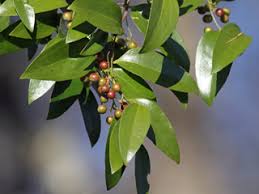
Lance-leaf Greenbrier, scientifically known as Smilax smallii, is a resilient plant species native to the southeastern United States. This perennial vine is part of the Smilacaceae family and is known for its distinctive lance-shaped leaves and thorny stems. It thrives in a variety of habitats, including forests, thickets, and along the edges of wetlands.
Key Characteristics
Leaves and Stems
- Leaves: The leaves of Smilax smallii are lanceolate, meaning they are shaped like a lance or spearhead. They are typically 3 to 6 inches long and 1 to 2 inches wide, with a glossy green surface. The leaves are arranged alternately along the stem and have a prominent midrib.
- Stems: The stems of Lance-leaf Greenbrier are woody and can grow up to 20 feet in length. They are equipped with sharp, recurved thorns that help the plant climb and deter herbivores. The stems are green when young but become brown and woody as they mature.
Flowers and Fruits
- Flowers: The plant produces small, greenish-yellow flowers that are typically arranged in umbels. These flowers bloom in late spring to early summer and are often inconspicuous.
- Fruits: Following pollination, the flowers develop into berries that are initially green but turn black when ripe. These berries are about 1/4 inch in diameter and contain one to three seeds.
Ecological Significance
Habitat and Distribution
Lance-leaf Greenbrier is commonly found in the southeastern United States, ranging from Texas to Florida and north to Virginia. It prefers moist, well-drained soils and can be found in a variety of habitats, including:
- Forests
- Thickets
- Wetland edges
- Disturbed areas
Wildlife Interactions
- Food Source: The berries of Smilax smallii are an important food source for various bird species, including thrushes and sparrows. The leaves and stems are also browsed by deer and other herbivores.
- Shelter: The dense, thorny growth of Lance-leaf Greenbrier provides excellent cover and nesting sites for birds and small mammals. The plant's ability to form impenetrable thickets makes it a valuable component of wildlife habitats.
Uses and Benefits
Medicinal Uses
Historically, various parts of the Lance-leaf Greenbrier have been used in traditional medicine. The roots were often used to make a tonic believed to purify the blood and treat ailments such as rheumatism and skin conditions. However, it is important to note that modern scientific research on the medicinal properties of Smilax smallii is limited.
Ornamental Uses
Due to its attractive foliage and ability to form dense, green screens, Lance-leaf Greenbrier is sometimes used in landscaping. It can be trained to grow on trellises, fences, and arbors, providing a natural and aesthetically pleasing barrier.
Erosion Control
The extensive root system of Smilax smallii helps stabilize soil and prevent erosion, making it a useful plant for conservation efforts, particularly in areas prone to soil degradation.
Challenges and Management
Invasiveness
While Lance-leaf Greenbrier is native to the southeastern United States, it can become invasive in certain conditions. Its vigorous growth and ability to form dense thickets can outcompete other vegetation, leading to reduced biodiversity. Management practices may include:
- Regular pruning to control growth
- Mechanical removal of stems and roots
- Application of herbicides in severe cases
Thorns
The sharp thorns on the stems of Smilax smallii can pose a challenge for gardeners and land managers. Protective clothing and tools are recommended when handling the plant to avoid injury.