Exosomes
Little vesicular blebs that can detach from a plasma membranes, they go cell to cell. New research on neurons show that vital nRNAs are transferred via exosomes.
They have a lock for the ACE2 receptor and also certain immune cells.
There's no current application of the science of exosomes to medicine. It's in a purely research phase, which is growing and the number of papers each year is growing exponentially. This is probably due to its overlap with viruses. In the future, the word "virus" and "exosome" may be fused.
Videos
What is an Exosome?

The History and Promise of Exosomes (Episode 2)
Exosomes in Cancer Research (Episode 3)

Exosomes: nanoparticles offering a new future to cure disease | Shivani Sharma |

The Hidden Language of Life: How Exosomes Carry Nature’s Instructions to Your Cells
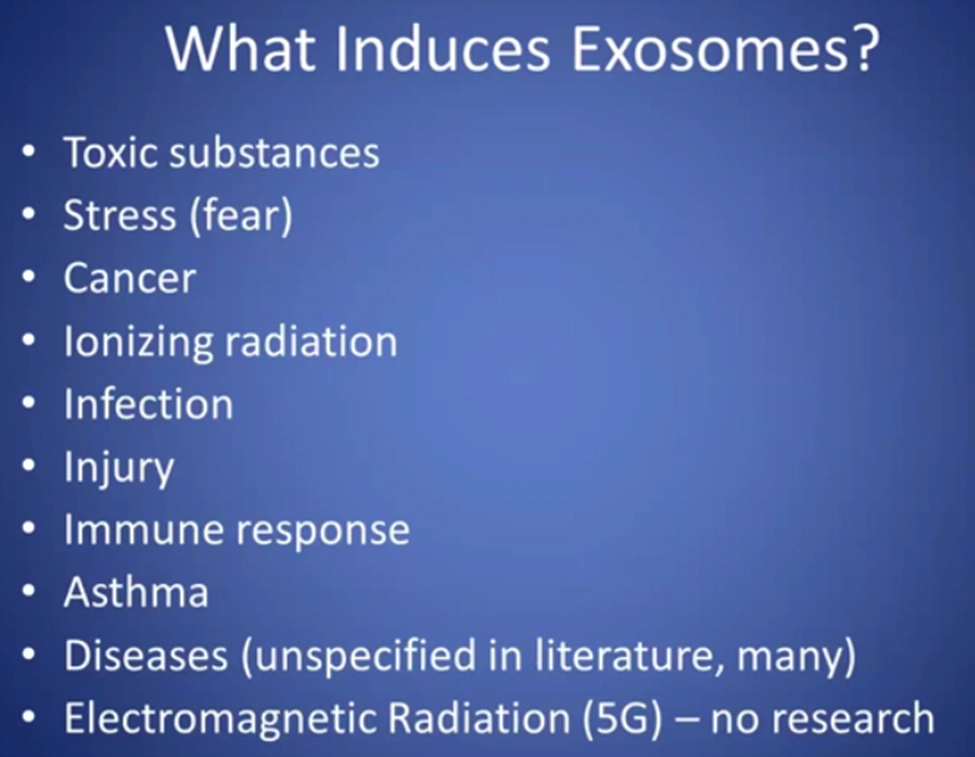
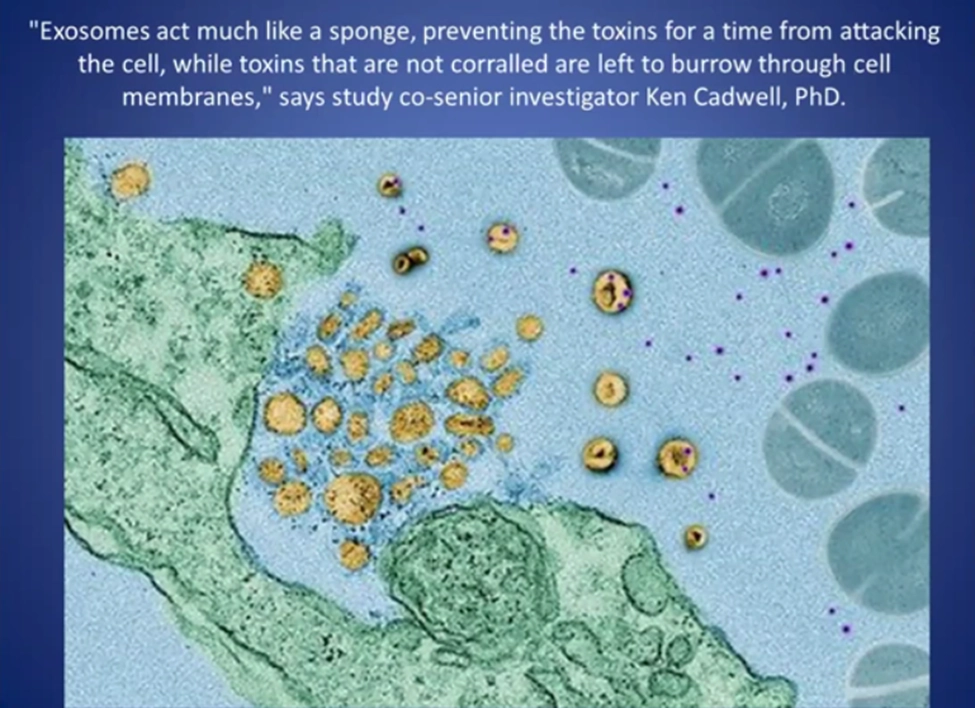
In the above colorized electron microscopic image, the purple dots are bacteria. If they contact the cell membrane they bore a hole in it allowing contents to leak out and it would die.So when alerted to any kind of toxin, the cell sends out exosomes (yellow) to swallow up the toxin particles. In an experiment, cells that sent out exosomes survived but cells that didn't release exosomes died.
Amazing Benefits of Exosomes

Alxerion Biotech | Exosomes
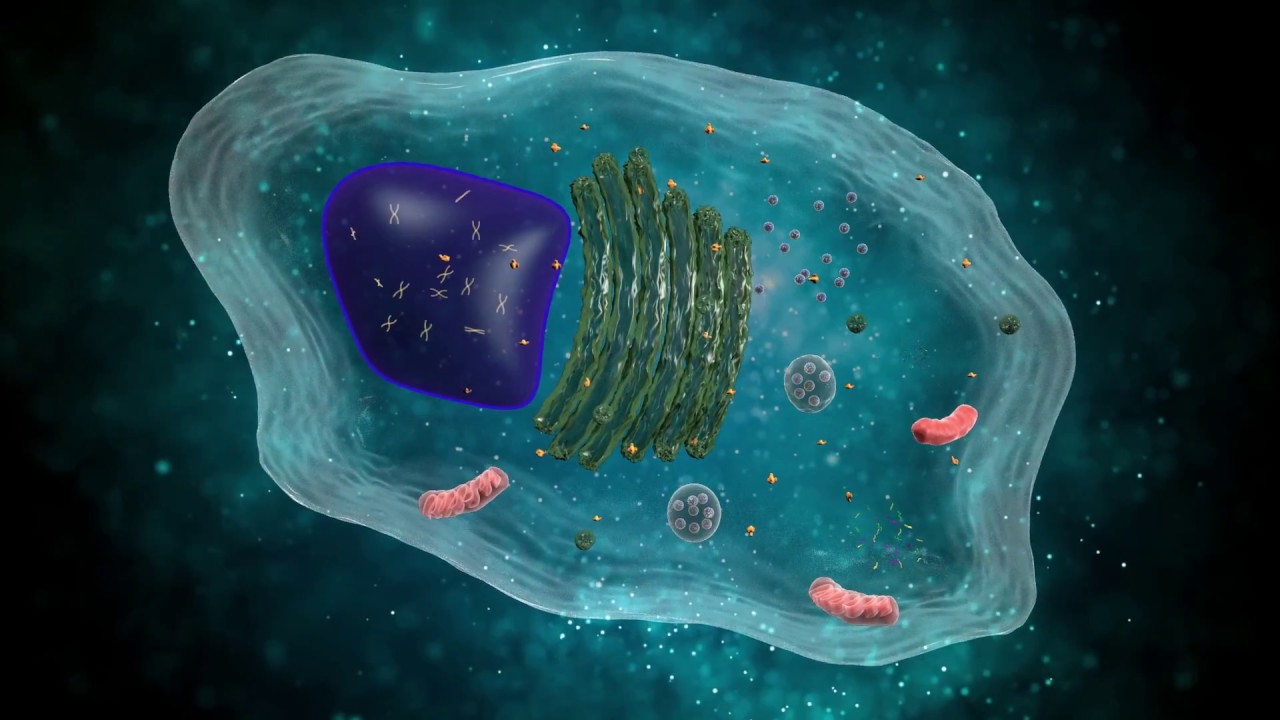
Distinct Traits & Functions of Exosomes and Microvesicles

How human cells secrete small RNAs in extracellular vesicles

Exosmes and Regenerative Medicine

New Frontier in Cell Therapy

What Are Exosomes? Ben Greenfield Interviews Dr. Harry Adelson On Full Body Stem Cell Makeover

Articles/ Studies
The RNA exosome and human disease.
Beneficial effects of exosomes secreted by cardiac-derived progenitor cells and other cell types in myocardial ischemia
The role of exosomes in the female reproductive system and breast cancers.
Blood exosomes have neuroprotective effects in a mouse model of Parkinson's disease.
The role of cardiac exosomes in myocardial repair at the glance.
Exosomes transport trace amounts of polyphenols.
Curcumin stimulates exosome/microvesicle release in an in vitro model of intracellular lipid accumulation by increasing ceramide synthesis.
This review summarizes what is presently known about how exosomes are formed and released by cells.
This review discusses recent advances in our understanding of the role of secreted vesicles in cardiac repair, with a focus on CPC-derived exosomes.
This review highlights the latest findings regarding the function of exosomes in tumor-driven immunomodulation.
These data demonstrated that ECFC-derived exosomes have beneficial effects on blood-brain barrier integrity in mice with traumatic brain injury.
It is now clearly plausible that secreted small RNAs can regulate other types of cells through biofluids.
Extracellular Vesicles Exploit Viral Entry Routes for Cargo Delivery.
These findings suggest MDA231-LM2-secreted exosomes as a promising target to treat breast cancer lung metastasis.
Leukemia-derived exosomes induced IL-8 production in bone marrow stromal cells to protect the leukemia cells against chemotherapy.
Extracellular vesicles in Epstein-barr virus pathogenesis.
Exosomes: An emerging factor in atherosclerosis.
This study may certify a novel mechanism that the secretion of harmful exosomes from obesity adipose tissues cause insulin resistance.
MicroRNAs and exosomes: key players in HIV pathogenesis.
Exosomes secreted by the cocultures of normal and oxygen-glucose-deprived stem cells improve post-stroke outcome.
Exosomes secreted by urine-derived stem cells improve stress urinary incontinence by promoting repair of pubococcygeus muscle injury.
Exosomes cloak the virion to transmit Enterovirus 71 non-lytically.
Tumor-derived exosomes and neutrophils may act cooperatively in the establishment of cancer-associated thrombosis.
Getting old through the blood: circulating molecules in aging and senescence of cardiovascular regenerative cells.
Exosomes from MiR-21-5p-increased neurons play a role in neuroprotection.
Exosomes with immune modulatory features are present in human breast milk.
Exosomes: secreted vesicles and intercellular communications.
Exosomes May Help Tumors Evade Immune System
Emerging roles and therapeutic value of exosomes in cancer metastasis.
Plasma exosomes stimulate breast cancer metastasis through surface interactions and activation of FAK signaling.
Exosomes in gastric cancer: roles, mechanisms, and applications.
Mesenchymal stem cell exosomes enhance periodontal ligament cell functions and promote periodontal regeneration.
Prophylactic treatment with MSC derived exosomes attenuates traumatic acute lung injury.
Exosomes derived from human dermal papilla cells promote hair growth in cultured human hair follicles.
Exosomes may be used in anticancer therapy exploiting their delivery function.
Accumulating evidence has implicated that exosomes are emerging as a novel form of intercellular communication within the nervous system.
Hepatitis A virus structural protein pX interacts with ALIX and promotes the secretion of virions and foreign proteins through exosome-like vesicles.
Dancing with Trojan horses: an interplay between the extracellular vesicles and viruses.
Exosomes from glioma cells induce a tumor-like phenotype in mesenchymal stem cells by activating glycolysis.
Exosomes as divine messengers: are they the Hermes of modern molecular oncology?
Emerging roles and therapeutic value of exosomes in cancer metastasis.
Exosomes from MiR-21-5p-increased neurons play a role in neuroprotection.
Exosomes from Osteosarcoma and normal osteoblast differ in proteomic cargo and immunomodulatory effects on T cells.
Exosomes in gastric cancer: roles, mechanisms, and applications.
hnRNPA2B1 associated with recruitment of RNA into exosomes plays a key role in HSV-1 release from infected cells.
Exosomes in inflammation and inflammatory disease.
Exosomes as immune regulators in head and neck cancer.
Exosomes can function as potential biomarkers in cancer diagnosis and prognosis.
Exosomes cloak the virion to transmit Enterovirus 71 non-lytically.
Cell-derived exosomes as promising carriers for drug delivery and targeted therapy.
Exosomes - beyond stem cells for restorative therapy in stroke and neurological injury.
Cell-secreted vesicles containing microRNAs as regulators of gamete maturation.
Exosomes from endothelial progenitor cells improve outcomes of the lipopolysaccharide-induced acute lung injury.
Exosomal delivery of berry anthocyanidins for the management of ovarian cancer.
Colorectal cancer exosomes induce lymphatic network remodeling in lymph nodes.
Exosomes in severe asthma: update in their roles and potential in therapy.
Exosomes from EV71-infected oral epithelial cells can transfer miR-30a to promote EV71 infection.
Exosomes may be used in anticancer therapy exploiting their delivery function.
Exosome-mediated secretion of LOXL4 promotes hepatocellular carcinoma cell invasion and metastasis.
Exosomes are a promising avenue for the diagnosis of breast cancers.
Exosomes are able to stimulate the regenerative capacity of the heart by increasing vessel density and lowering apoptosis of cardiomyocytes.
Exosomes are released by bystander cells exposed to radiation-induced biophoton signals.
Exosomes are the novel players involved in the beneficial effects of exercise on type 2 diabetes.
Human immunodeficiency virus-associated exosomes promote Kaposi's sarcoma-associated herpesvirus infection.
Combined exosome-melatonin regimen was superior to either alone in protecting the liver against ischemia-reperfusion injury.
Cannabidiol is a novel inhibitor for exosome and microvesicle release in cancer.
Carnosine induces intestinal cells to secrete exosomes that activate neuronal cells.
These results show that liver-derived exosomes play a pivotal role in the accumulation of T follicular regulatory cells.
Exosomes derived from human dermal papilla cells promote hair growth in cultured human hair follicles.
This study found that exosomal transcription factors were diminished 2-10 years before clinical diagnosis of Alzheimer's disease.
Human immunodeficiency virus-associated exosomes promote Kaposi's sarcoma-associated herpesvirus infection.
Immune-related microRNAs are abundant in breast milk exosomes.
Exosomes derived from bone marrow mesenchymal stem cells improve osteoporosis.
Luteolin can relieve the lesions and symptoms of psoriasis through reversing the effects of IFN-γ, inhibiting the expression and exosome secretion of HSP90.
Exosomes derived from epigallocatechin gallate-treated cardiomyocytes attenuated acute myocardial infarction.
Exosomes derived from human adipose tissue-derived mesenchymal stem cells alleviate atopic dermatitis
Exosomes derived from human induced pluripotent stem cells ameliorate the aging of skin fibroblasts.
Exosomes derived from hypoxic colorectal cancer cells transfer Wnt4 to normoxic cells to elicit a prometastatic phenotype.
Exosomes derived from mangiferin‑stimulated perivascular adipose tissue ameliorate endothelial dysfunction.
Exosomes derived from miR-143-overexpressing MSCs inhibit cell migration and invasion in human prostate cancer.
Exosomes derived from pancreatic cancer cells induce insulin resistance in C2C12 myotube cells.
Exosomes facilitate transmission of Enterovirus A71 from human intestinal epithelial cells.
Host microRNAs and exosomes that modulate influenza virus infection.
Bone mesenchymal stem cell exosomes exert a neuroprotective effect by inhibiting early neuroinflammation.
Camel milk and its exosomes could be used as an anticancer agent for cancer treatment.
Cardiac progenitor cell‑derived exosomes promote H9C2 cell growth via Akt/mTOR activation.
Electrically stimulated acupuncture increases renal blood flow through exosomes-carried miR-181.
Exosomes derived from mesenchymal stem cells attenuate the progression of atherosclerosis.
Exosomes May Help Tumors Evade Immune System
Extracellular vesicles are increased in the serum of children with autism spectrum disorder
Exposure to cancer exosomes altered the gene expression in the normal cells of mice.
Human marrow stromal cells secrete microRNA-375-containing exosomes to regulate glioma progression.
Immunomodulatory effects of mesenchymal stem cell-derived exosomes on experimental type-1 autoimmune diabetes.
In vitro macrophage assay predicts the in vivo anti-inflammatory potential of exosomes from human mesenchymal stromal cells.
Where does the cargo go?: Solutions to provide experimental support for the "extracellular vesicle cargo transfer hypothesis".
Tumorigenesis, diagnosis, and therapeutic potential of exosomes in liver cancer
Tumor-derived exosomes promote angiogenesis and drive head and neck squamous cell carcinoma progression.
This study sheds light on the application of mesenchymal stem cells exosomes as a potential therapeutic tool for myocardial ischemia/reperfusion injury.
Mesenchymal stem cell exosomes enhance periodontal ligament cell functions and promote periodontal regeneration.
Mesenchymal stem cell-derived exosomes promote neurogenesis and cognitive function recovery in a model of Alzheimer's disease.
Pancreatic cancer-derived exosomes promote tumor metastasis and liver pre-metastatic niche formation.
Photo-oxidative blue-light stimulation in retinal pigment epithelium cells promotes exosome secretion and increases the activity of the NLRP3 inflammasome.
Prophylactic treatment with MSC derived exosomes attenuates traumatic acute lung injury.
Serum exosomal transfer of miR-483-3p might be involved in the inflammatory pathogenesis of H5N1 influenza virus infection.
Influenza viral particles (virions) share remarkable features with exosomes, and in large part are derived by co-opting and using host cellular machinery for their production.
Soma-to-Germline Transmission of RNA in Mice Xenografted with Human Tumour Cells: Possible Transport by Exosomes.
The anti-inflammatory activity of orally administered L. plantarum No.14 and L. rhamnosus GG is mediated, at least in part, by circulating exosomes.
Exosomes may cause immunosuppression and immune tolerance.
Exosomes may mediate epithelium-mesenchyme crosstalk in organ development.
Exosomes, the message transporters in vascular calcification.
Exosomes: a novel therapeutic target for Alzheimer’s disease?
Immunomodulatory function of Treg-derived exosomes is impaired in patients with relapsing-remitting multiple sclerosis.
Host microRNAs and exosomes that modulate influenza virus infection.
Exosomes: from carcinogenesis and metastasis to diagnosis and treatment of gastric cancer.
These results suggested that resveratrol abrogated hypoxia-induced up-regulation of total and exosomal amyloid-β partially.
The functional roles of exosomes-derived long non-coding RNA in human cancer.
The exosomic miR-222-3p level in sera may be a potential prognostic biomarker for predicting gemcitabine sensitivity in NSCLC patients.
The aim of this review is to disclose the function of exosomes in NSCLC carcinogenesis.
Stem cell-derived exosomes prevent aging-induced cardiac dysfunction.
Stem cell-derived exosomes could be a promising strategy for fracture healing.
Shikonin inhibits the proliferation of human breast cancer cells by reducing tumor-derived exosomes.
Prostate cancer cells and exosomes in acidic condition show increased carbonic anhydrase IX expression and activity.
Plasma exosomes stimulate breast cancer metastasis through surface interactions and activation of FAK signaling.
Paeonol attenuated inflammatory response of endothelial cells via stimulating monocytes-derived exosomal microRNA-223.
Oleocanthal and oleacein counteract inflammation-related gene and miRNA expression in adipocytes by attenuating NF-κB activation.
Myocardial Regeneration via Progenitor Cell-Derived Exosomes.
Mycobacterium tuberculosis reactivates HIV-1 via exosome-mediated resetting of cellular redox potential and bioenergetics.
MSC-derived exosomes induce a significant and dose-dependent decrease in the expression and secretion of vascular endothelial growth factor.
MSC exosomes alleviate temporomandibular joint osteoarthritis by attenuating inflammation and restoring matrix homeostasis.
MiR-20a-containing exosomes from umbilical cord mesenchymal stem cells alleviates liver ischemia/reperfusion injury.
Mining exosomal microRNAs from human-induced pluripotent stem cells-derived cardiomyocytes for cardiac regeneration.
Milk-derived exosomes represent a viable natural nano-carrier for the delivery of siRNA for therapeutic application against cancer.
Mesenchymal stem cells-derived exosomes ameliorate blue light stimulation in retinal pigment epithelium cells and retinal laser injury.
Mesenchymal stem cell-derived exosomes represent potentially new therapeutic agents in the therapy of degenerative and inflammatory ocular diseases.
Melanoma-released exosomes may directly activate the mitochondrial apoptotic pathway of CD4+ T cells through their microRNA cargo.
Macrophage exosomes as natural nanocarriers for protein delivery to inflamed brain.
Luteolin can relieve the lesions and symptoms of psoriasis through reversing the effects of IFN-γ, inhibiting the expression and exosome secretion of HSP90.
Leukemia-derived exosomes induced IL-8 production in bone marrow stromal cells to protect the leukemia cells against chemotherapy.
Exosomes mediate Zika virus transmission through SMPD3 neutral Sphingomyelinase in cortical neurons.
Exosomes modulate the viral replication and host immune responses in hepatitis B virus infection.
Exosomes containing HIV protein Nef reorganize lipid rafts potentiating inflammatory response in bystander cells.
Exosome-delivered and Y RNA-derived small RNA suppresses influenza virus replication
Pathogenic role of exosomes and microRNAs in HPV-mediated inflammation and cervical cancer.
Expression patterns of exosomal miRNAs are a promising tool to predict sustained viral response- hepatocellular carcinoma.
Dengue haemorrhagic fever: a job done via exosomes?
CD81+ exosomes play a pivotal role in the establishment of hepatitis C persistent infection and contribute toward the progression of hepatocellular carcinoma.
Excessive exosome release is the pathogenic pathway linking a lysosomal deficiency to generalized fibrosis.
Mesenchymal stem cells-derived exosomes could be a new possible therapeutic strategy for Parkinson's disease.
The efficacy of curcumin may be enhanced in pancreatic cancer cells through exosomal facilitation.
Extracellular vesicles in Epstein-barr virus pathogenesis.
Exosomes may cause immunosuppression and immune tolerance.
hnRNPA2B1 associated with recruitment of RNA into exosomes plays a key role in HSV-1 release from infected cells.
Exosomes facilitate transmission of Enterovirus A71 from human intestinal epithelial cells.
Exosomes from EV71-infected oral epithelial cells can transfer miR-30a to promote EV71 infection.