Yeasts
Life cycle

Yeasts are microorganisms that play a crucial role in various biological and industrial processes. They are a type of fungus, and while there are many species of yeasts, the most well-known is Saccharomyces cerevisiae, commonly used in baking and brewing.
Biological Characteristics
Yeasts are unicellular fungi that reproduce asexually by budding or binary fission. They are eukaryotic, meaning they have a defined nucleus and organelles enclosed within membranes. Yeasts can thrive in diverse environments, from soil to the human body, and are particularly abundant in sugary mediums like fruit surfaces.
Structure and Function
- Cell Wall: Composed of glucans and mannans, providing structural integrity.
- Plasma Membrane: Contains ergosterol, a target for antifungal drugs.
- Nucleus: Houses the genetic material.
- Mitochondria: Powerhouse of the cell, involved in energy production.
- Vacuoles: Storage and waste disposal.
Reproduction
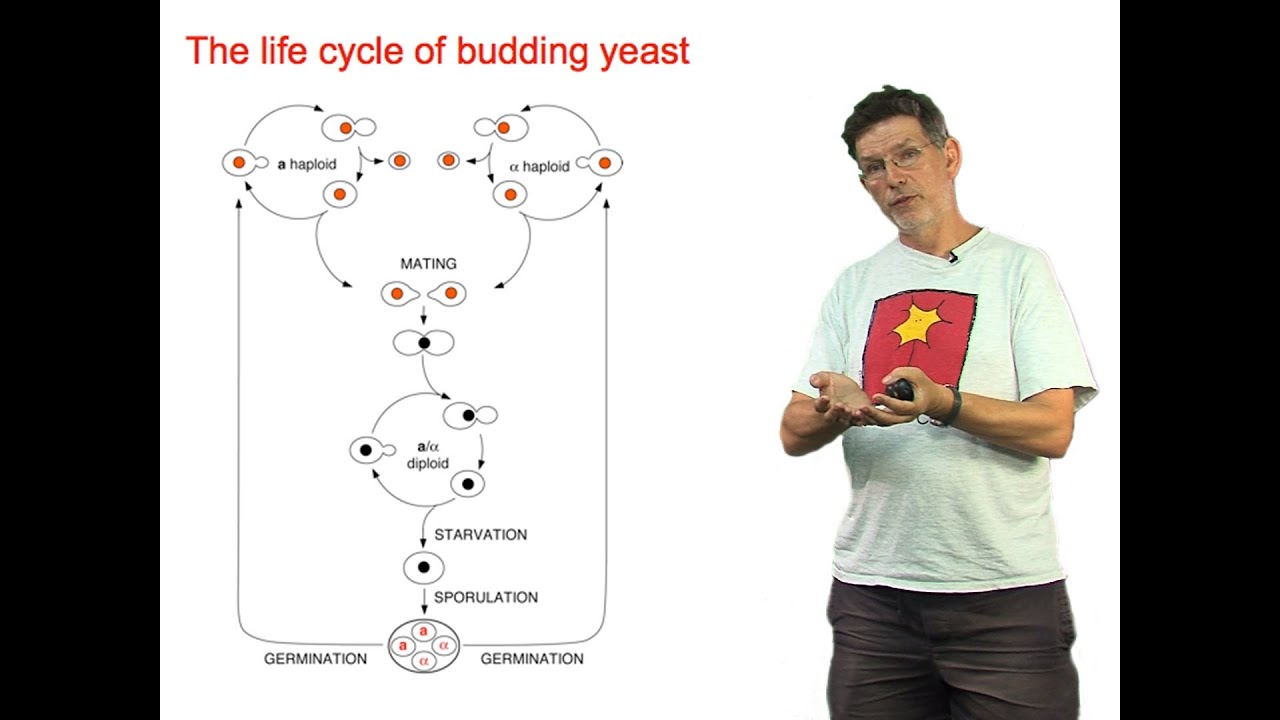
Yeasts primarily reproduce asexually through a process called budding, where a new cell forms as a protrusion from the parent cell. Some yeasts can also reproduce sexually, forming spores that can withstand harsh conditions.
Metabolism
Yeasts are known for their metabolic versatility. They can metabolize sugars anaerobically (without oxygen) through fermentation, producing ethanol and carbon dioxide. This ability is harnessed in baking and brewing. Under aerobic conditions (with oxygen), yeasts perform cellular respiration, which is more energy-efficient.
Industrial Applications
Yeasts have a wide range of applications in various industries:
Baking
In baking, yeasts are used as leavening agents. The carbon dioxide produced during fermentation causes the dough to rise, resulting in fluffy bread and pastries.
Brewing
Yeasts are essential in brewing beer and fermenting wine. They convert sugars in the wort (beer) or must (wine) into alcohol and carbon dioxide, imparting flavor and aroma to the final product.
Biotechnology
Yeasts are used in biotechnology for the production of bioethanol, a renewable energy source. They are also employed in the production of recombinant proteins, including insulin and vaccines.
Food Industry
Yeasts contribute to the production of various food products, such as soy sauce, miso, and nutritional yeast, which is rich in vitamins and used as a dietary supplement.
Medical and Scientific Research
Yeasts, particularly Saccharomyces cerevisiae, serve as model organisms in scientific research due to their simple eukaryotic structure and ease of genetic manipulation. They have been instrumental in understanding fundamental biological processes, such as cell cycle regulation and gene expression.
Health Implications
While yeasts are beneficial in many contexts, some species can cause infections in humans, particularly in immunocompromised individuals. Candida albicans is a common pathogenic yeast responsible for infections like thrush and yeast infections.
Environmental Impact
Yeasts play a role in nutrient cycling and decomposition in ecosystems. They help break down organic matter, releasing nutrients back into the soil, which supports plant growth.
Future Prospects
The future of yeast research and application is promising. Advances in genetic engineering and synthetic biology are expanding the potential uses of yeasts. For instance, engineered yeasts could be used to produce pharmaceuticals, biofuels, and even biodegradable plastics.
How cells control their borders Bacteria and yeast need to prevent leakage of numerous small molecules through their cell membrane. Biochemists have studied how the composition of the membrane affects passive diffusion and the robustness of this membrane. Their results could help the biotech industry to optimize microbial production of useful molecules and help in drug design.