Capillaries
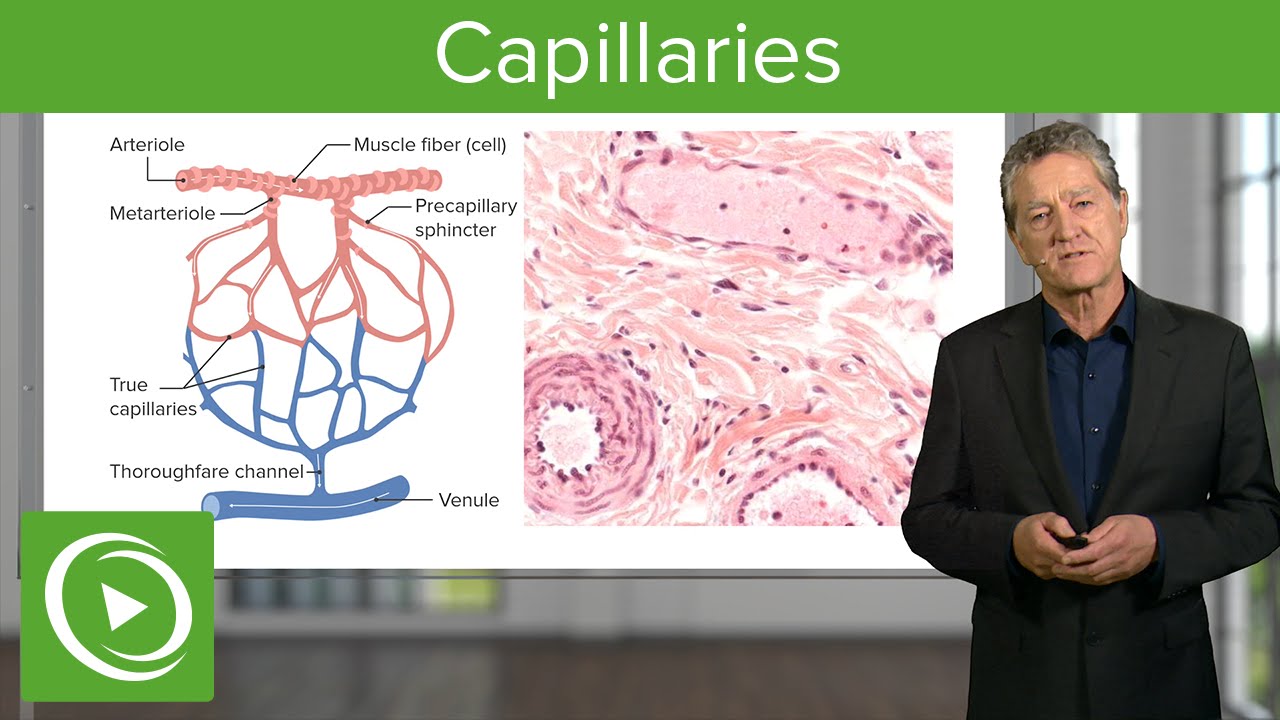
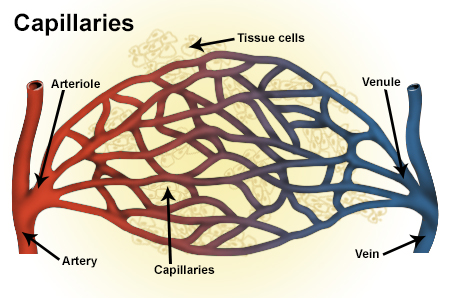
Capillaries are the smallest blood vessels in the human body. They are so small that a single red blood cell can barely fit through them. Capillaries connect the smallest arteries to the smallest veins. They are often called the "microcirculation" because they deliver oxygen and nutrients to all cells in the body, and remove carbon dioxide to be eliminated.
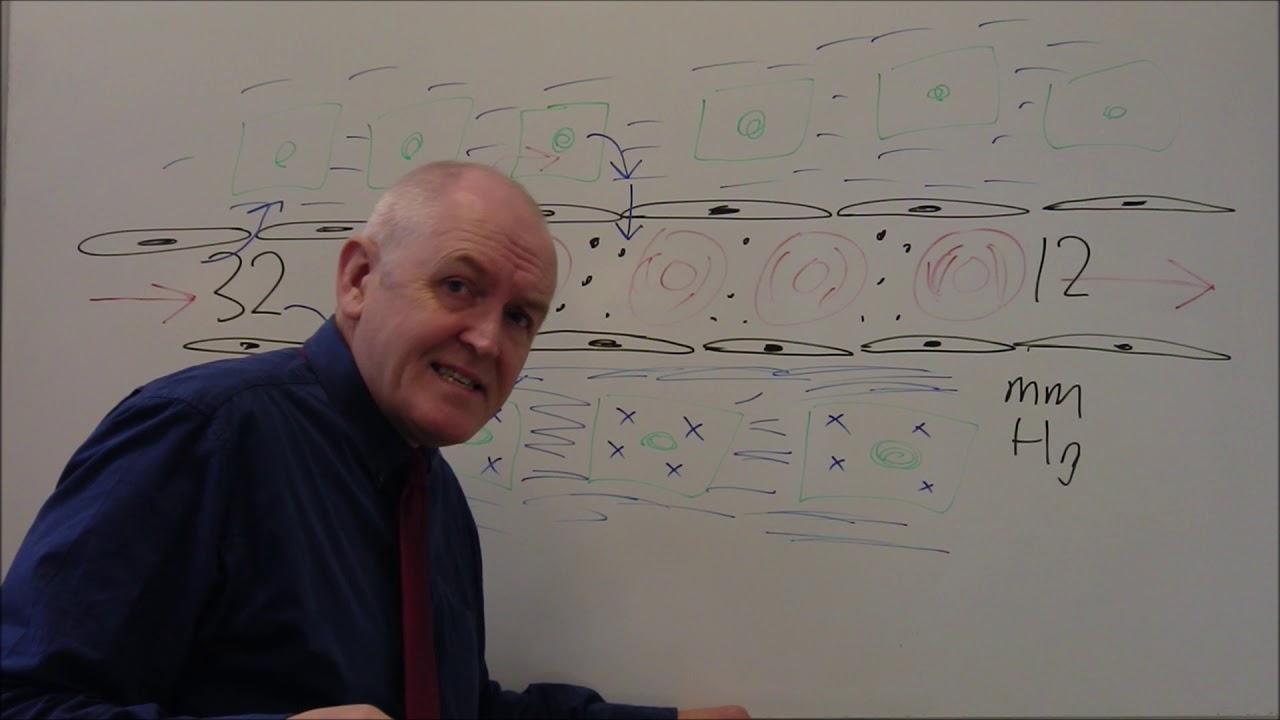
Capillaries have thin walls. Oxygen and nutrients from the blood can move through the walls and get into organs and tissues. Capillaries also take waste products away from your tissues.
The three types of capillaries are: Continuous capillaries, Fenestrated capillaries, Sinusoid capillaries.
Continuous capillaries are the most common type of capillary in your body. Fenestrated capillaries are “leakier” than continuous capillaries. Sinusoid capillaries are irregular spaces filled with blood and are mainly found in the liver, bone marrow, spleen, and brain circumventricular organs.
Videos