Stenosing tenosynovitis (Trigger Finger)
Videos
Everything You Need to Know
Trigger Finger: Painful and Clicking Finger (English Tips) - by Doc Willie Ong
How to Heal Trigger Finger with 4 Exercises That Work! (Real Patient)
Most Effective Proven Strategies, Exercises, Treatment to Heal Trigger Finger
Proven Trigger Finger Pain Treatment
How to Get Rid of Trigger Finger Pain
Stenosing tenosynovitis, commonly known as Trigger Finger, is a condition that affects the tendons in the fingers or thumb, causing pain, stiffness, and a sensation of locking or catching when you bend and straighten your finger. This condition can significantly impact daily activities and quality of life, making it essential to understand its causes, symptoms, diagnosis, and treatment options.
Anatomy and Function
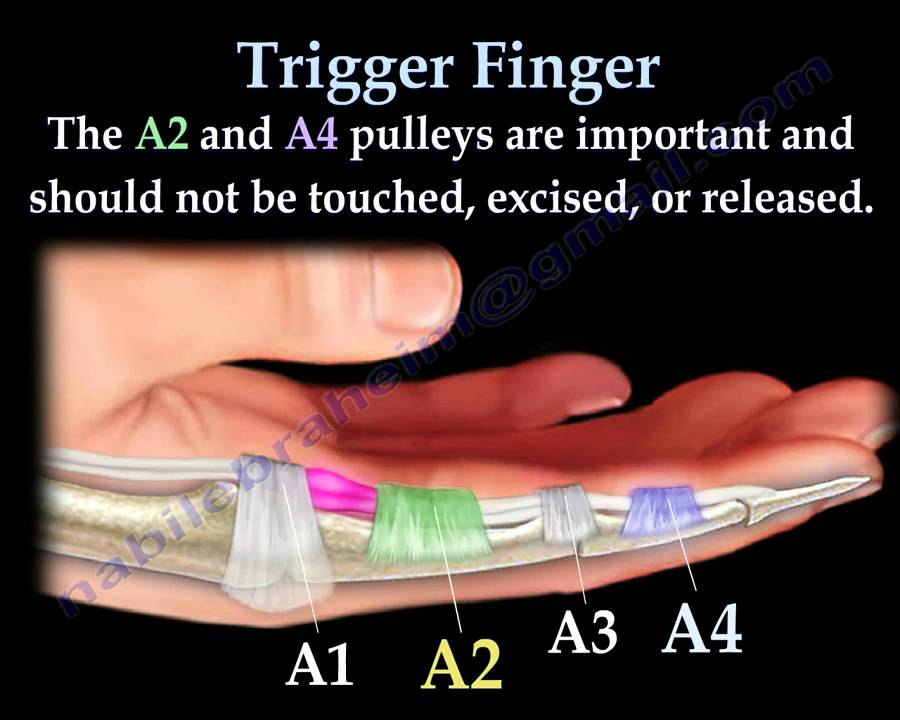
To comprehend Trigger Finger, it's crucial to understand the basic anatomy of the hand. Tendons are fibrous cords that connect muscles to bones, allowing for movement. In the fingers, tendons pass through a series of tunnels called sheaths. These sheaths are lined with a lubricating membrane called the synovium, which facilitates smooth tendon movement.
Causes
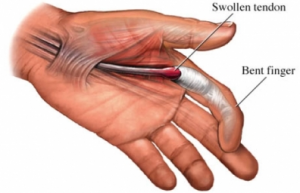
Trigger Finger occurs when the tendon sheath becomes inflamed or thickened, restricting the tendon’s movement. This can lead to the tendon catching or locking as it moves through the sheath. Several factors can contribute to this condition:
- Repetitive Motion: Activities that involve repetitive gripping or hand movements can strain the tendons.
- Medical Conditions: Conditions like rheumatoid arthritis, diabetes, and gout can increase the risk of developing Trigger Finger.
- Age and Gender: It is more common in individuals over 40 and tends to affect women more than men.
- Occupational Hazards: Jobs that require prolonged use of hands, such as farming or industrial work, can predispose individuals to this condition.
Symptoms
The symptoms of Trigger Finger can vary from mild to severe and may include:
- Pain and Tenderness: Pain at the base of the affected finger or thumb, especially when gripping or grasping objects.
- Stiffness: Difficulty in bending or straightening the finger, particularly in the morning.
- Clicking or Popping Sensation: A noticeable click or pop when moving the finger.
- Locking: The finger may lock in a bent position and then suddenly pop straight.
- Nodule Formation: A small, tender lump may develop at the base of the affected finger.
Diagnosis
Diagnosing Trigger Finger typically involves a physical examination by a healthcare provider. The doctor will assess the range of motion, check for tenderness, and feel for any nodules. In some cases, imaging tests like ultrasound or MRI may be used to rule out other conditions.
Treatment Options
Treatment for Trigger Finger aims to reduce inflammation, relieve pain, and restore normal finger movement. The choice of treatment depends on the severity of the condition and the patient's overall health. Common treatment options include:
Non-Surgical Treatments
- Rest and Activity Modification: Avoiding activities that exacerbate symptoms can help reduce inflammation.
- Splinting: Wearing a splint to keep the affected finger in a straight position can alleviate symptoms.
- Medications: Nonsteroidal anti-inflammatory drugs (NSAIDs) can help reduce pain and inflammation.
- Steroid Injections: Corticosteroid injections into the tendon sheath can provide significant relief by reducing inflammation.
Surgical Treatments
If non-surgical treatments fail to provide relief, surgical intervention may be necessary. Surgical options include:
- Percutaneous Release: A minimally invasive procedure where a needle is used to release the constricted part of the tendon sheath.
- Open Surgery: A small incision is made in the palm to release the tendon sheath, allowing the tendon to move freely.
Post-Treatment Care
Recovery from Trigger Finger treatment varies depending on the method used. Post-treatment care may include:
- Physical Therapy: Exercises to improve finger strength and flexibility.
- Follow-Up Appointments: Regular check-ups to monitor progress and address any complications.
- Pain Management: Continued use of NSAIDs or other pain relief methods as needed.
Prevention
While it may not be possible to prevent Trigger Finger entirely, certain measures can reduce the risk:
- Ergonomic Tools: Using tools designed to reduce hand strain.
- Hand Exercises: Regular stretching and strengthening exercises for the hands.
- Proper Technique: Ensuring proper hand positioning and technique during activities.