Least Duckweed
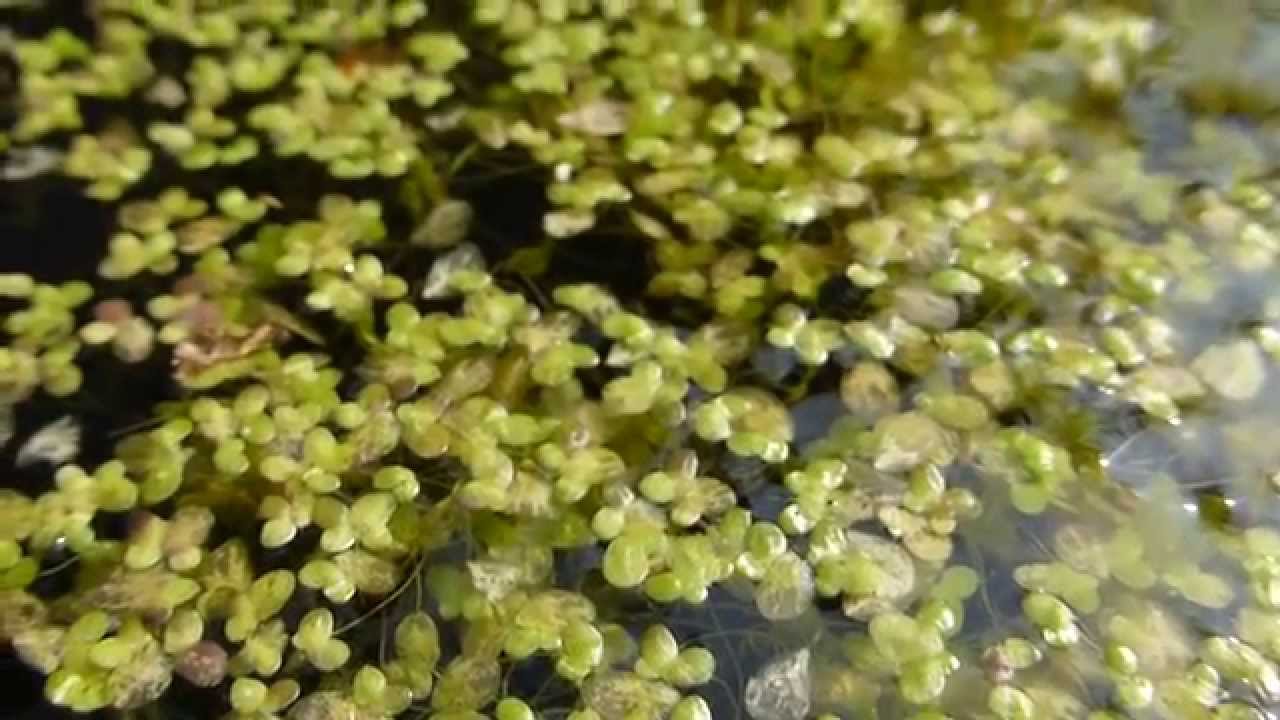
Least Duckweed, scientifically known as Lemna minuta, is a small, free-floating aquatic plant that belongs to the family Araceae. This tiny plant is often found in still or slow-moving freshwater bodies such as ponds, lakes, and marshes. Despite its diminutive size, Least Duckweed plays a significant role in aquatic ecosystems and has garnered attention for its potential applications in environmental management and biotechnology.
Physical Characteristics
Least Duckweed is one of the smallest flowering plants in the world. It typically measures between 1 to 2 millimeters in diameter. The plant consists of a single, flat, oval-shaped frond that floats on the water's surface. Each frond has one or two rootlets that hang down into the water, aiding in nutrient absorption and stability. The fronds are bright green and can sometimes have a reddish tinge, especially when exposed to high light intensity.
Habitat and Distribution
Least Duckweed is native to North and South America but has spread to various parts of the world, including Europe, Asia, and Africa. It thrives in nutrient-rich, calm waters and can often be found in eutrophic conditions where nutrient levels are high. The plant prefers warm temperatures and can grow rapidly under optimal conditions, forming dense mats on the water's surface.
Ecological Importance
Nutrient Cycling
Least Duckweed plays a crucial role in nutrient cycling within aquatic ecosystems. It absorbs excess nutrients, such as nitrogen and phosphorus, from the water, which helps to prevent algal blooms that can deplete oxygen levels and harm aquatic life. By doing so, it contributes to maintaining water quality and overall ecosystem health.
Habitat and Food Source
The dense mats formed by Least Duckweed provide habitat and shelter for various aquatic organisms, including invertebrates and small fish. Additionally, it serves as a food source for waterfowl and some fish species. The plant's rapid growth and high protein content make it an excellent nutritional resource in the food web.
Potential Applications
Wastewater Treatment
One of the most promising applications of Least Duckweed is in wastewater treatment. Due to its ability to absorb and accumulate nutrients and heavy metals, it can be used to treat agricultural runoff, industrial effluents, and municipal wastewater. The plant's rapid growth rate allows for efficient nutrient removal, making it a cost-effective and sustainable option for water purification.
Biofuel Production
Least Duckweed has also been explored as a potential source of biofuel. Its high starch content can be converted into bioethanol, a renewable energy source. Research is ongoing to optimize the cultivation and processing methods to make biofuel production from duckweed economically viable.
Animal Feed
The high protein content of Least Duckweed makes it a valuable feed supplement for livestock and aquaculture. It can be harvested and processed into a protein-rich meal that can replace traditional feed ingredients, reducing the reliance on soy and fishmeal. This not only provides a sustainable feed option but also helps to lower the environmental impact of animal farming.
Challenges and Considerations
Invasive Potential
While Least Duckweed offers numerous benefits, it also has the potential to become invasive in non-native regions. Its rapid growth and ability to form dense mats can outcompete native aquatic plants, leading to reduced biodiversity. Effective management strategies are essential to prevent and control its spread in areas where it is not indigenous.
Harvesting and Processing
The practical challenges of harvesting and processing Least Duckweed on a large scale need to be addressed to fully realize its potential applications. Efficient harvesting techniques and cost-effective processing methods are crucial for its use in wastewater treatment, biofuel production, and animal feed.