Peritonitis
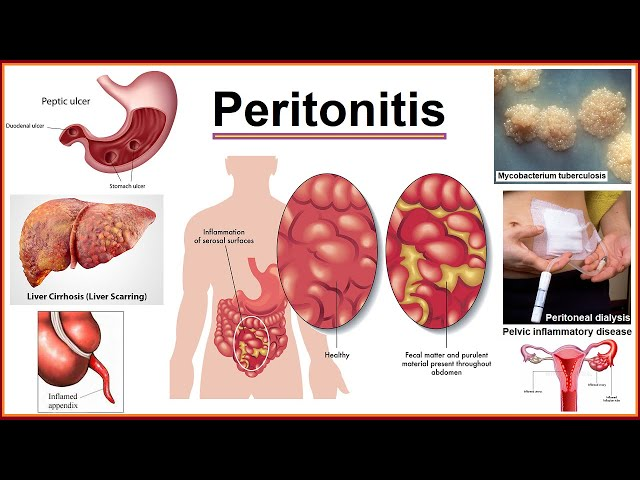
Peritonitis is an inflammation of the peritoneum, the tissue that lines the abdomen and covers the abdominal organs. It's usually caused by a bacterial infection. Peritonitis can also be caused by a collection of blood, body fluids, or pus in the abdomen.
Symptoms of peritonitis include:
Abdominal tenderness, Rebound tenderness, Involuntary guarding, Reduced or absent bowel sounds, Abdominal distention, Fluid wave.
If left untreated, peritonitis can spread into the blood and cause sepsis. Treatment usually involves antibiotics. Some people with peritonitis may need surgery.
Peptic Ulcer Complication: An untreated ulcer that swells or scars can block your digestive tract. It can also perforate your stomach or small intestine, infecting your abdominal cavity. That causes peritonitis.
Caution:
Contraindications for choleretics and cholagogues
- Septic cholecystitis (where there is a risk or peritonitis)