Arrow Leaf Dock
Found in Nepal, India, Pakistan
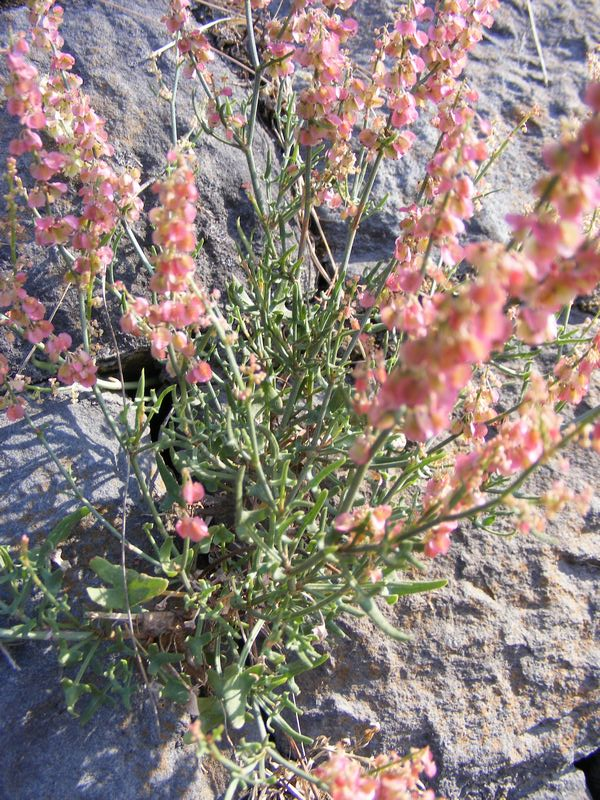
Arrow Leaf Dock, scientifically known as Rumex hastatus, is a perennial herbaceous plant belonging to the Polygonaceae family. This plant is native to the temperate regions of Asia, particularly the Himalayas, and is commonly found in countries like India, Pakistan, and Nepal. It thrives in moist, well-drained soils and is often seen in meadows, along riverbanks, and in other damp environments.
Botanical Description
Leaves
The leaves of Rumex hastatus are one of its most distinctive features. They are arrow-shaped, hence the common name "Arrow Leaf Dock." The leaves are typically 5-15 cm long and 2-5 cm wide, with a pointed tip and a broad base that narrows into a petiole. The margins of the leaves are often wavy or slightly toothed.
Stems
The plant has erect, slender stems that can grow up to 1 meter in height. The stems are often reddish or purplish in color and are ribbed or grooved.
Flowers
Rumex hastatus produces small, inconspicuous flowers that are greenish or reddish in color. The flowers are arranged in dense, elongated clusters called racemes. Each flower has six tepals (three inner and three outer), which are not easily distinguishable from petals and sepals.
Fruits
The fruit of the Arrow Leaf Dock is a small, dry, triangular achene. These achenes are enclosed in the persistent tepals, which often become papery and help in wind dispersal.
Ecological Importance
Soil Stabilization
One of the significant ecological roles of Rumex hastatus is soil stabilization. Its extensive root system helps in binding the soil, preventing erosion, especially in hilly and riverbank areas.
Habitat for Wildlife
The plant provides habitat and food for various insects and small animals. The leaves are a food source for some caterpillars and other herbivorous insects.
Medicinal Uses
Medicinal - The juice of the plant is astringent and is used in the treatment of bloody dysentery. The fresh tuber is chewed to relieve aches in the throat.
Traditional Medicine
In traditional medicine, Rumex hastatus has been used for its various therapeutic properties. The leaves and roots are often used in herbal remedies to treat ailments such as:
- Digestive Issues: The plant is known for its mild laxative properties and is used to treat constipation.
- Skin Conditions: Poultices made from the leaves are applied to wounds, cuts, and skin infections to promote healing.
- Anti-inflammatory: The plant has anti-inflammatory properties and is used to reduce swelling and pain.
Modern Research
Recent studies have shown that Rumex hastatus contains bioactive compounds such as flavonoids, tannins, and anthraquinones, which have potential antioxidant, antimicrobial, and anti-inflammatory effects. However, more research is needed to fully understand its medicinal potential and to develop standardized extracts for clinical use.
Culinary Uses
In some cultures, the young leaves of Rumex hastatus are used as a leafy vegetable.Tender young leaves and shoots - raw or cooked. A sour, acid flavour, it is eaten as a sorrel. They have a slightly sour taste due to the presence of oxalic acid and are often cooked or used in salads. However, it is essential to consume them in moderation, as high levels of oxalic acid can be harmful.
Cultivation and Care
Growing Conditions
Rumex hastatus is relatively easy to grow and can adapt to various soil types, although it prefers moist, well-drained soils. It thrives in full sun to partial shade.
Propagation
The plant can be propagated through seeds or root division. Seeds should be sown in the spring, and root division is best done in the fall or early spring.
Maintenance
- Regular watering is essential, especially during dry periods.
- Mulching can help retain soil moisture and suppress weeds.
- The plant is generally pest-resistant but should be monitored for any signs of disease or insect infestation.
Comprehensive assessment of phenolics and antiradical potential of Rumex hastatus D. Don. roots