Urodynamic Studies / Testing

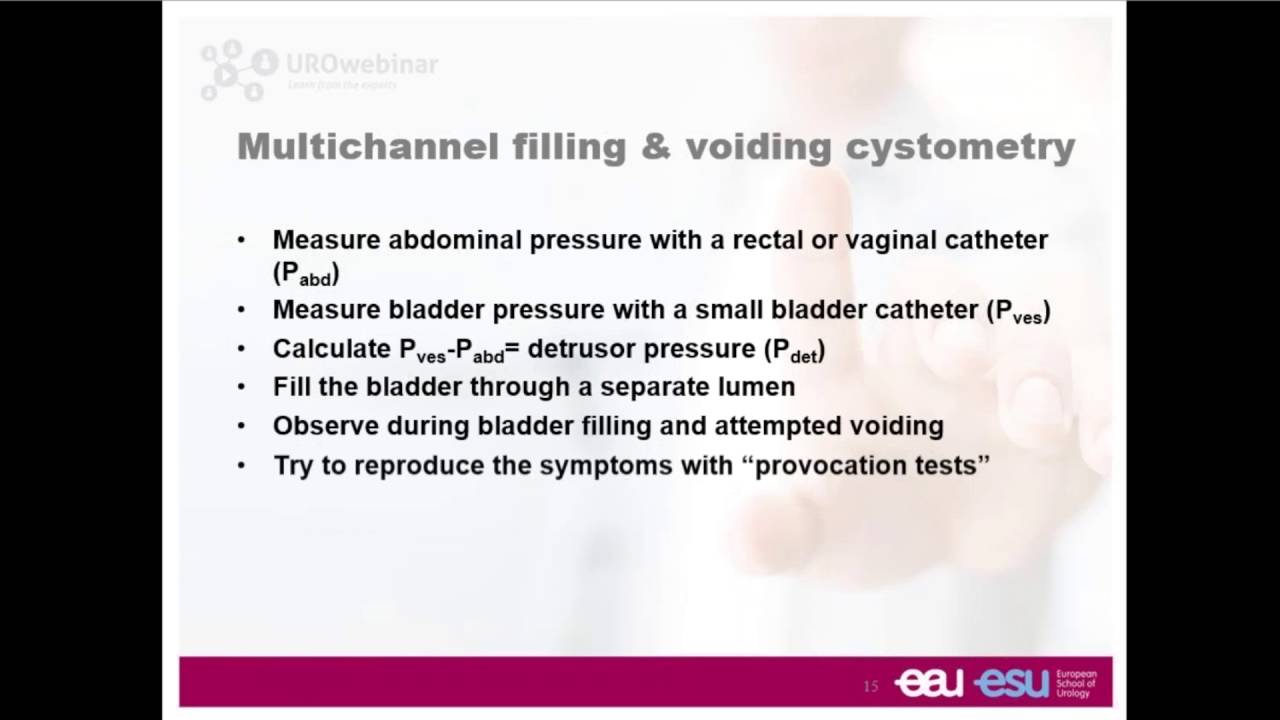
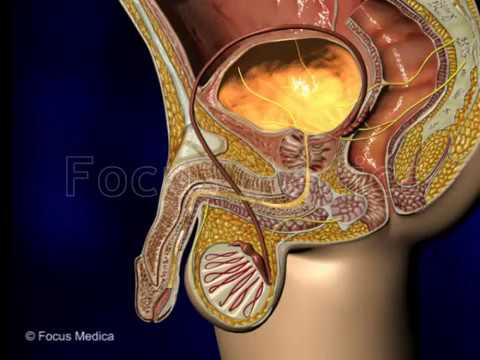
Urodynamic studies, often referred to as urodynamic testing, are a series of diagnostic tests that assess how well the bladder, sphincters, and urethra are storing and releasing urine. These tests are crucial for diagnosing issues related to urinary incontinence, frequent urination, and other urinary disorders.
PURPOSE OF URODYNAMIC TESTING
The primary goal of urodynamic testing is to evaluate the function of the lower urinary tract. This includes:
- Assessing how well the bladder can hold urine.
- Measuring the pressure inside the bladder.
- Determining the flow rate of urine.
- Evaluating the coordination between the bladder and urethra during urination.
These tests are particularly useful for patients experiencing symptoms such as:
- Urinary incontinence.
- Frequent urination.
- Painful urination.
- Sudden, strong urges to urinate.
- Difficulty starting urination.
- Recurrent urinary tract infections.
Types of Urodynamic Tests
There are several types of urodynamic tests, each designed to measure different aspects of bladder and urethral function:
1. Uroflowmetry
Uroflowmetry measures the volume of urine released from the body, the speed with which it is released, and how long the release takes. This test helps identify abnormalities in the flow of urine, which can indicate blockages or weak bladder muscles.
2. Cystometry
Cystometry evaluates how much urine the bladder can hold, how much pressure builds up inside the bladder as it stores urine, and how full the bladder is when the urge to urinate begins. This test can help diagnose conditions like overactive bladder or underactive bladder.
3. Pressure Flow Study
This test measures the pressure in the bladder and the flow rate of urine to determine if there is an obstruction in the bladder or urethra. It is often used in conjunction with cystometry.
4. Electromyography (EMG)
EMG assesses the electrical activity of the muscles and nerves in and around the bladder and urethra. This test can help identify nerve or muscle damage that may be affecting bladder function.
5. Video Urodynamic Tests
These tests combine cystometry and pressure flow studies with imaging techniques such as X-rays or ultrasound to provide a visual representation of the bladder and urethra during urination.
Preparing for Urodynamic Testing
Preparation for urodynamic testing is generally straightforward. Patients may be asked to:
- Arrive with a full bladder.
- Avoid caffeine or alcohol before the test.
- Inform the healthcare provider of any medications they are taking, as some may need to be paused.
The healthcare provider will provide specific instructions based on the type of test being conducted.
What to Expect During the Test
Urodynamic tests are typically performed in a doctor's office or a specialized clinic. The procedures are generally safe and minimally invasive, though they may cause some discomfort. Here’s what patients can expect:
- Uroflowmetry: Patients will urinate into a special device that measures the flow rate and volume of urine.
- Cystometry: A catheter is inserted into the bladder to measure pressure as the bladder fills and empties.
- Pressure Flow Study: Similar to cystometry, but focuses on measuring pressure during urination.
- EMG: Sensors are placed on the skin near the urethra and rectum to measure muscle and nerve activity.
- Video Urodynamic Tests: Involves imaging techniques to visualize the bladder and urethra.
Interpreting the Results
The results of urodynamic tests provide valuable insights into the functioning of the bladder and urethra. Abnormal results may indicate:
- Overactive bladder.
- Underactive bladder.
- Bladder outlet obstruction.
- Stress urinary incontinence.
- Neurological disorders affecting bladder function.
Based on the results, healthcare providers can recommend appropriate treatments, which may include lifestyle changes, medications, physical therapy, or surgery.
Risks and Considerations
While urodynamic tests are generally safe, there are some risks and considerations to keep in mind:
- Mild discomfort or a burning sensation during urination may occur after the test.
- There is a small risk of urinary tract infection.
- Patients should contact their healthcare provider if they experience severe pain, fever, or persistent symptoms after the test.