Velame do campo
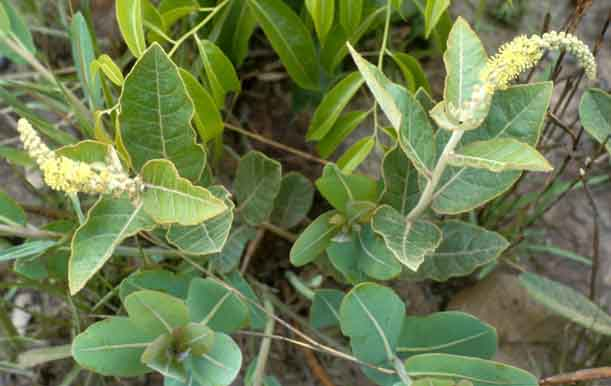
Velame do Campo (Croton Campestris)
Introduction
Velame do campo, scientifically known as Croton campestris, is a plant species native to Brazil. It belongs to the Euphorbiaceae family, which includes a wide variety of plants ranging from herbs to trees. This particular species is well-known for its medicinal properties and its adaptability to the harsh conditions of the Brazilian Cerrado, a vast tropical savanna ecoregion.
Botanical Characteristics
Morphology
- Leaves: The leaves of Croton campestris are simple, alternate, and have a distinctive shape that can vary from lanceolate to ovate. They are covered with tiny hairs, giving them a velvety texture.
- Flowers: The plant produces small, inconspicuous flowers that are typically white or yellowish. These flowers are arranged in racemes or spikes.
- Fruits: The fruits are small capsules that contain seeds. When mature, these capsules split open to release the seeds.
Growth Conditions
Velame do campo thrives in well-drained soils and is highly tolerant of drought conditions. It is commonly found in open fields and along roadsides in the Cerrado. The plant prefers full sunlight but can also grow in partially shaded areas.
Medicinal Uses
Traditional Medicine
In traditional Brazilian medicine, Croton campestris has been used for various ailments. Some of its common uses include:
- Anti-inflammatory: The leaves and stems are often used to prepare teas or poultices to reduce inflammation.
- Antimicrobial: Extracts from the plant have been shown to possess antimicrobial properties, making them useful in treating infections.
- Digestive Aid: The plant is also used to alleviate digestive issues such as stomachaches and diarrhea.
All parts of the plant are antirheumatic, antisyphilitic and depurative. It is a highly recommended treatment for skin problems, eczema and swellings of the ganglions
The powdered herb (the part powdered is not specified) is taken internally as a treatment for snake bites
Applied externally, it is very useful for healing wounds, sores etc
The roots are diuretic, purgative and sudorific
The leaves are used in the treatment of swollen glands and lymph nodes in the groin, as well as TB of the lymph nodes
Scientific Research
Recent studies have begun to validate some of the traditional uses of Croton campestris. Research has shown that the plant contains several bioactive compounds, including flavonoids and terpenoids, which contribute to its medicinal properties. These compounds have been found to exhibit:
- Antioxidant Activity: Helping to neutralize free radicals in the body.
- Anti-inflammatory Effects: Reducing inflammation at the cellular level.
- Antimicrobial Properties: Inhibiting the growth of various bacteria and fungi.
Ecological Importance
Role in the Ecosystem
Velame do campo plays a significant role in the Cerrado ecosystem. It serves as a food source for various insects and animals. The plant's ability to thrive in poor soil conditions also helps in soil stabilization and prevents erosion.
Conservation Status
While Croton campestris is not currently listed as endangered, the Cerrado biome itself is under threat due to agricultural expansion and deforestation. Conservation efforts are essential to preserve this unique ecosystem and the species that inhabit it.
Cultivation and Uses
Cultivation Tips
For those interested in cultivating Velame do campo, here are some tips:
- Soil: Use well-drained soil with a sandy or loamy texture.
- Watering: Water sparingly, as the plant is drought-tolerant.
- Sunlight: Ensure the plant receives plenty of sunlight.
- Propagation: The plant can be propagated from seeds or cuttings.
Uses in Landscaping
Due to its hardiness and attractive foliage, Croton campestris is sometimes used in landscaping. It can be planted in gardens to add a touch of greenery and is particularly useful in xeriscaping, which focuses on reducing the need for irrigation.