Stridor
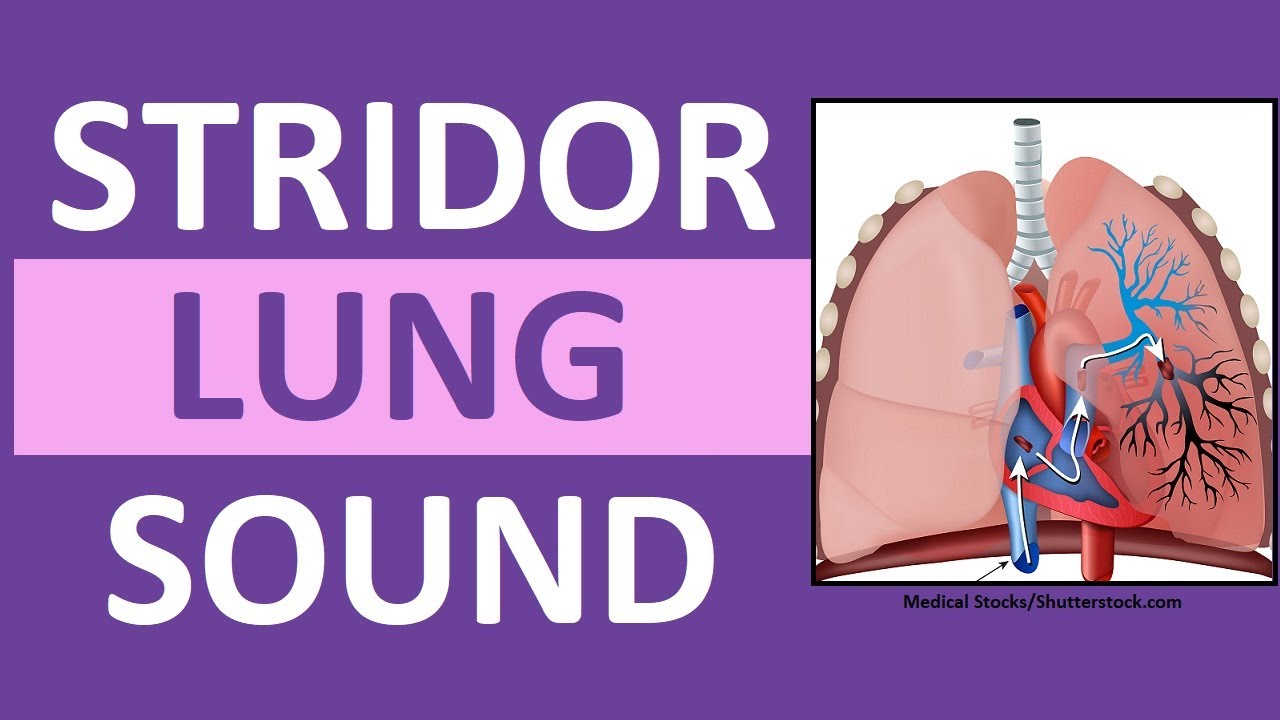
Stridor is a high-pitched, wheezing sound that is often heard during breathing. It is typically indicative of an obstruction or narrowing in the upper airway, which includes the throat, larynx, or trachea. This condition can be alarming, especially in children, and requires prompt medical evaluation to determine the underlying cause and appropriate treatment.
Causes of Stridor
Stridor can result from various conditions, each affecting the airway differently. Some common causes include:
- Infections: Viral infections such as croup are a frequent cause of stridor in children. Bacterial infections like epiglottitis can also lead to stridor and are considered medical emergencies.
- Congenital Abnormalities: Conditions present at birth, such as laryngomalacia (a floppy larynx) or tracheomalacia (a floppy trachea), can cause stridor in infants.
- Foreign Body Aspiration: Inhalation of objects like food or small toys can obstruct the airway, leading to stridor.
- Allergic Reactions: Severe allergic reactions, such as anaphylaxis, can cause swelling of the airway, resulting in stridor.
- Trauma: Injury to the neck or throat can lead to swelling or structural damage, causing stridor.
- Tumors: Growths in the airway, whether benign or malignant, can obstruct airflow and produce stridor.
Types of Stridor
Stridor can be classified based on the timing of the sound during the respiratory cycle:
- Inspiratory Stridor: Occurs when breathing in and is often associated with obstructions above the vocal cords.
- Expiratory Stridor: Occurs when breathing out and is typically linked to obstructions in the lower trachea or bronchi.
- Biphasic Stridor: Occurs during both inhalation and exhalation, suggesting a fixed obstruction at the level of the vocal cords.
Diagnosis
Diagnosing the cause of stridor involves a thorough medical history and physical examination. Healthcare providers may use several diagnostic tools, including:
- Laryngoscopy: A procedure that allows direct visualization of the larynx and vocal cords.
- Bronchoscopy: A more invasive procedure that examines the trachea and bronchi.
- Imaging Studies: X-rays, CT scans, or MRIs can help identify structural abnormalities or foreign bodies.
- Pulmonary Function Tests: These tests assess the functionality of the lungs and airways.
Treatment
The treatment of stridor depends on the underlying cause. Some common approaches include:
- Medications: Corticosteroids and epinephrine can reduce airway swelling in cases of croup or allergic reactions.
- Antibiotics: Used to treat bacterial infections like epiglottitis.
- Surgical Intervention: May be necessary to remove foreign bodies, correct congenital abnormalities, or excise tumors.
- Supportive Care: Involves ensuring adequate oxygenation and hydration, often in a hospital setting.
Prognosis
The prognosis for individuals with stridor varies based on the cause and severity of the condition. Many cases, such as mild croup, resolve with minimal intervention. However, conditions like epiglottitis or severe allergic reactions require immediate medical attention and can be life-threatening if not treated promptly.
Prevention
While not all cases of stridor can be prevented, certain measures can reduce the risk:
- Vaccination: Ensuring children are vaccinated against infections like Haemophilus influenzae type b (Hib) can prevent epiglottitis.
- Supervision: Keeping small objects out of reach of young children can prevent foreign body aspiration.
- Allergy Management: Identifying and avoiding allergens can prevent severe allergic reactions.