Sodic Soil
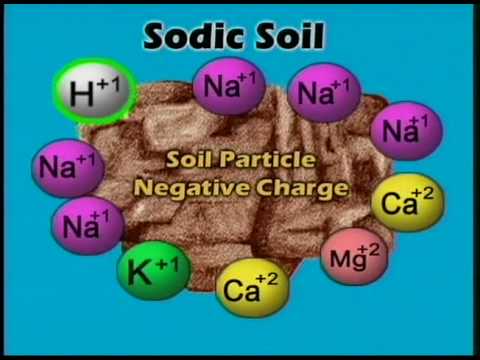
Sodic soil is a type of soil characterized by a high concentration of sodium ions relative to other cations. This condition can significantly affect soil structure, permeability, and fertility, posing challenges for agricultural productivity and environmental management.
Characteristics of Sodic Soil
Sodic soils are defined by their high sodium adsorption ratio (SAR), which is a measure of the proportion of sodium ions compared to calcium and magnesium ions in the soil. When the SAR is greater than 13, the soil is typically classified as sodic. These soils often exhibit the following characteristics:
- Poor Structure: High sodium levels cause soil particles to disperse, leading to poor soil structure. This dispersion results in a compacted, dense soil that is difficult for roots to penetrate.
- Low Permeability: The dispersed soil particles reduce pore spaces, leading to low water infiltration and drainage. This can cause waterlogging and restrict root growth.
- High pH: Sodic soils often have a high pH, typically above 8.5, which can affect nutrient availability and microbial activity.
- Crusting and Hardsetting: The surface of sodic soils can form a hard crust when dry, making it difficult for seedlings to emerge.
Causes of Sodic Soil Formation
Sodic soils can form naturally or as a result of human activities. Some common causes include:
- Natural Processes: In arid and semi-arid regions, the evaporation of water can concentrate sodium salts in the soil. Weathering of sodium-rich parent materials can also contribute to sodic soil formation.
- Irrigation Practices: The use of sodium-rich irrigation water or poor drainage systems can lead to the accumulation of sodium in the soil.
- Deforestation and Land Clearing: Removing vegetation can disrupt the water balance and increase the risk of sodic soil development.
- Industrial Activities: Wastewater discharge and other industrial activities can introduce sodium into the soil.
Impacts of Sodic Soil
The presence of sodic soil can have several adverse effects on the environment and agriculture:
- Reduced Agricultural Productivity: Poor soil structure and low permeability can limit root growth and water availability, reducing crop yields.
- Erosion: The lack of vegetation and poor soil structure can increase the risk of erosion, leading to the loss of topsoil and nutrients.
- Water Quality Issues: Runoff from sodic soils can carry sodium and other salts into water bodies, affecting aquatic ecosystems and water quality.
- Biodiversity Loss: The harsh conditions of sodic soils can limit plant diversity and affect the habitat of soil organisms.
Management and Remediation Strategies
Effective management of sodic soils involves improving soil structure, reducing sodium levels, and enhancing soil fertility. Some common strategies include:
- Gypsum Application: Gypsum (calcium sulfate) is often used to replace sodium ions with calcium ions, improving soil structure and permeability.
- Organic Amendments: Adding organic matter, such as compost or manure, can improve soil structure, increase microbial activity, and enhance nutrient availability.
- Leaching: Applying excess water can help leach sodium ions from the soil profile, although this requires good drainage and careful water management.
- Crop Selection: Growing salt-tolerant crops can help maintain productivity in sodic soils. Deep-rooted plants can also help improve soil structure.
- Improved Irrigation Practices: Using high-quality water with low sodium content and implementing efficient irrigation systems can prevent the accumulation of sodium in the soil.