Winged Sumac
Constituents
Videos
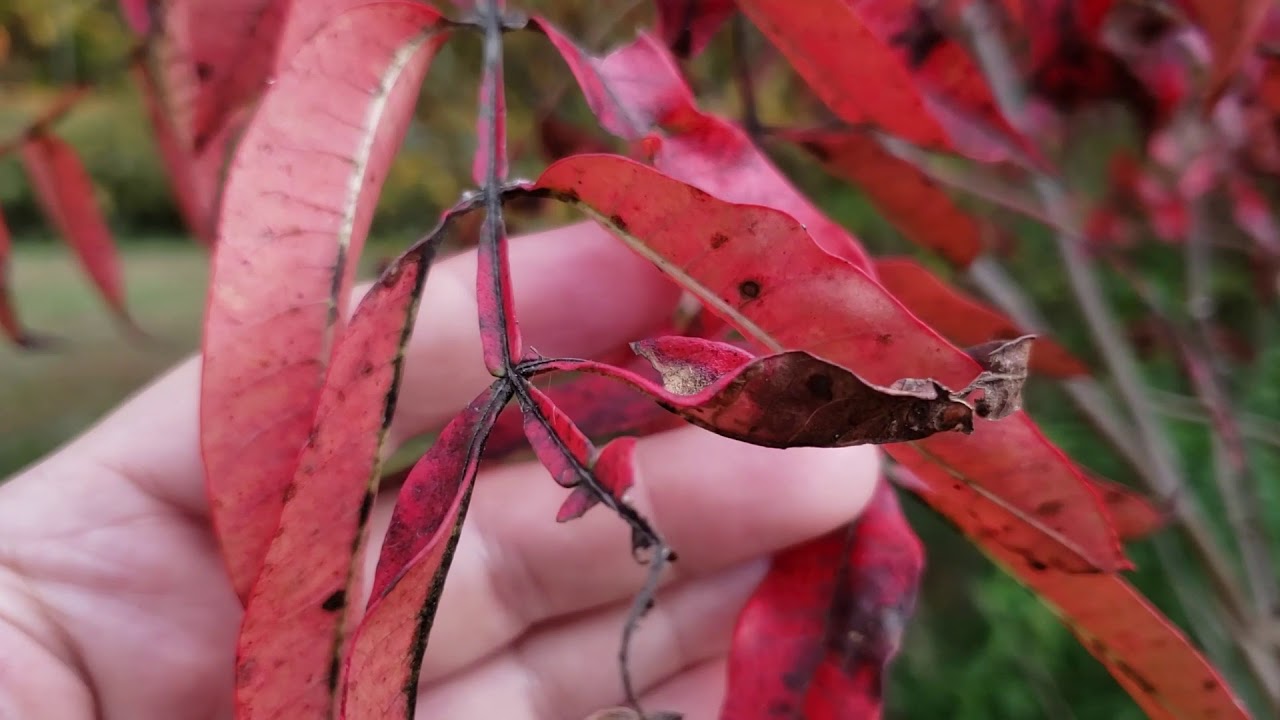
The best of the species for ornamental planting.
Winged Sumac, scientifically known as Rhus copallinum, is a deciduous shrub or small tree that is native to North America. It is a member of the Anacardiaceae family, which also includes other well-known plants such as poison ivy and mango. Winged Sumac is recognized for its distinctive winged leaf stalks and vibrant fall foliage, making it a popular choice for ornamental planting.
Identification and Characteristics
Winged Sumac can be identified by several key features:
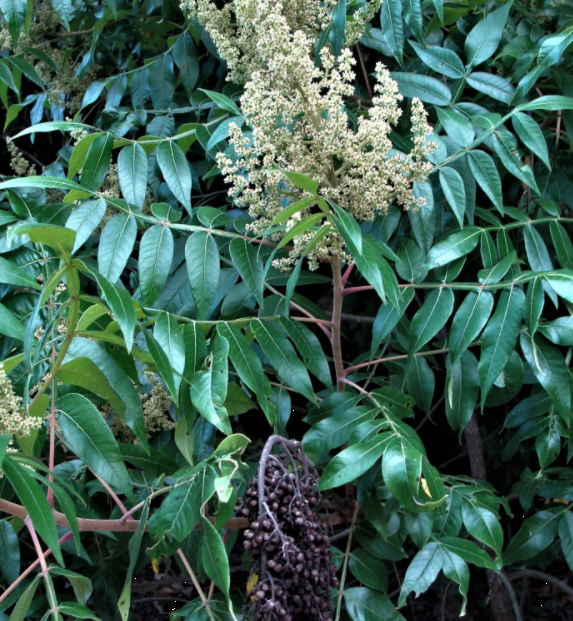
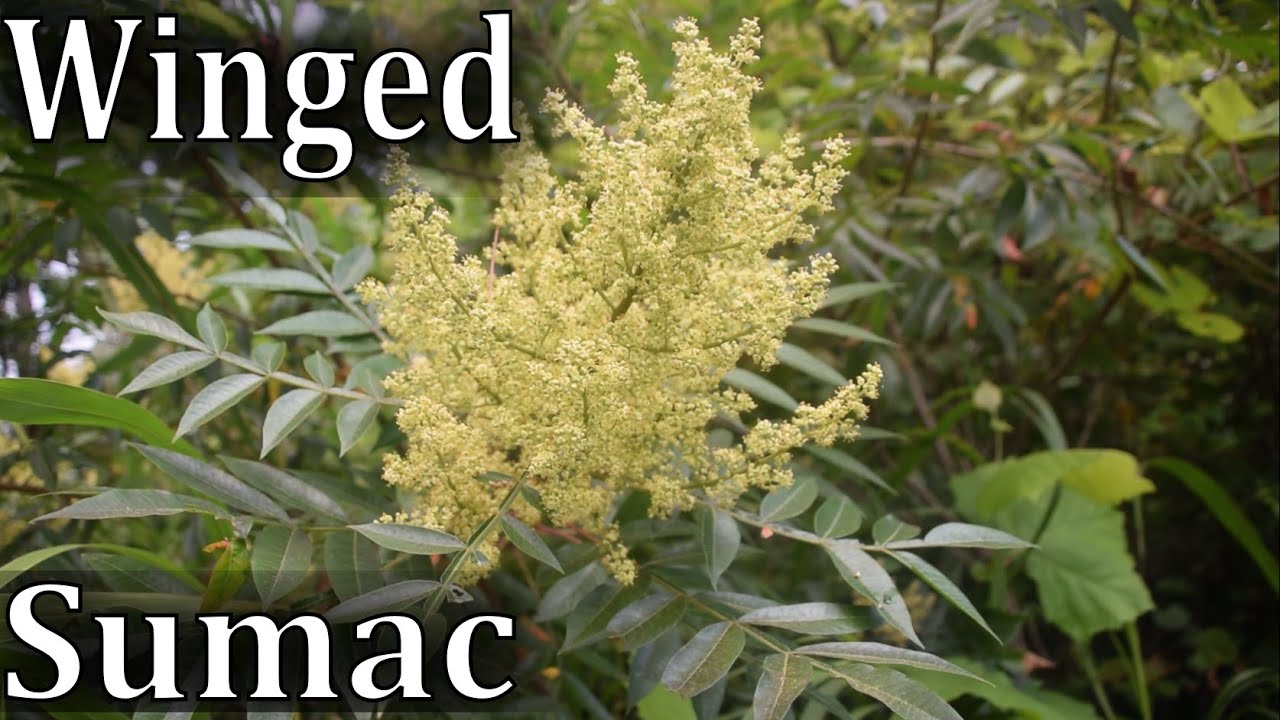
- Leaves: The leaves are compound, typically consisting of 9 to 21 leaflets. Each leaflet is lance-shaped with a smooth margin. The rachis, or central stem of the leaf, is winged, which is a unique characteristic that gives the plant its common name.
- Height: This plant can grow to a height of 10 to 30 feet, with a spread of 10 to 15 feet, forming a rounded crown.
- Bark: The bark is smooth and grayish-brown, becoming slightly furrowed with age.
- Flowers: Winged Sumac produces small, greenish-yellow flowers in dense, terminal panicles during the summer months.
- Fruit: The fruit is a small, red drupe that matures in late summer to fall. These fruits are an important food source for wildlife.
Habitat and Distribution
Winged Sumac is commonly found in a variety of habitats, including open fields, roadsides, and forest edges. It thrives in well-drained soils and is tolerant of poor soil conditions, drought, and urban pollution. This adaptability allows it to be widely distributed across the eastern United States, from Maine to Florida and westward to Texas and Nebraska.
Ecological Importance
Winged Sumac plays a significant role in its ecosystem:
- Wildlife Habitat: The dense foliage provides shelter for birds and small mammals. The fruits are consumed by a variety of birds, including quail, wild turkeys, and songbirds, as well as mammals like deer and rabbits.
- Pollinators: The flowers attract a range of pollinators, including bees and butterflies, contributing to the plant's reproductive success and the overall health of the ecosystem.
- Soil Stabilization: Its extensive root system helps prevent soil erosion, making it valuable for land reclamation projects.
Uses and Benefits
Beyond its ecological contributions, Winged Sumac has several uses:
- Ornamental Planting: Its attractive foliage and fall color make it a popular choice for landscaping. It is often used in naturalized plantings, hedgerows, and as a specimen plant.
- Traditional Medicine: Native American tribes have historically used parts of the plant for medicinal purposes, including treating colds, fever, and digestive issues.
- Culinary Uses: The fruits can be used to make a tart, lemony beverage known as "sumac-ade" or "Indian lemonade." The dried fruits are also used as a spice in Middle Eastern cuisine.
Cultivation and Care
For those interested in cultivating Winged Sumac, here are some tips:
- Planting Location: Choose a site with full sun to partial shade and well-drained soil. Winged Sumac is adaptable but performs best in sunny locations.
- Watering: Once established, it requires minimal watering. It is drought-tolerant but benefits from occasional watering during prolonged dry periods.
- Pruning: Prune in late winter or early spring to maintain shape and remove any dead or damaged branches.
- Pest and Disease Management: Winged Sumac is relatively pest-free. However, it can be susceptible to leaf spot and rust diseases, which can be managed with proper cultural practices.
Potential Concerns
While Winged Sumac is generally a beneficial plant, there are some considerations to keep in mind:
- Invasiveness: In some areas, it can become invasive, spreading through root suckers and forming dense thickets that outcompete native vegetation.
- Allergic Reactions: Although not as potent as poison ivy, some individuals may experience skin irritation from contact with the plant's sap.
Native American Uses
CHEROKEE-blisters-A mixture of the barks of Rhus copallina Rhus typlrina and Rhus glabra is made into a decoction which is poured over the blisters..The astringent properties are beneficial for blisters as applied by the Cherokee and for dysentery as used by the Creek.
CREEK-dysentery-A decoction, made by boiling the root, is drunk as a cure for dysentery
KOASATI-to make a baby walk-The leaves are boiled and the baby drinks and is bathed in the decoction to make him strong enough to walk.