Thyroid Function Tests
The main problem with lab tests is not enough of them are run to identify any issues. There should be a minimum of ten types of tests run.
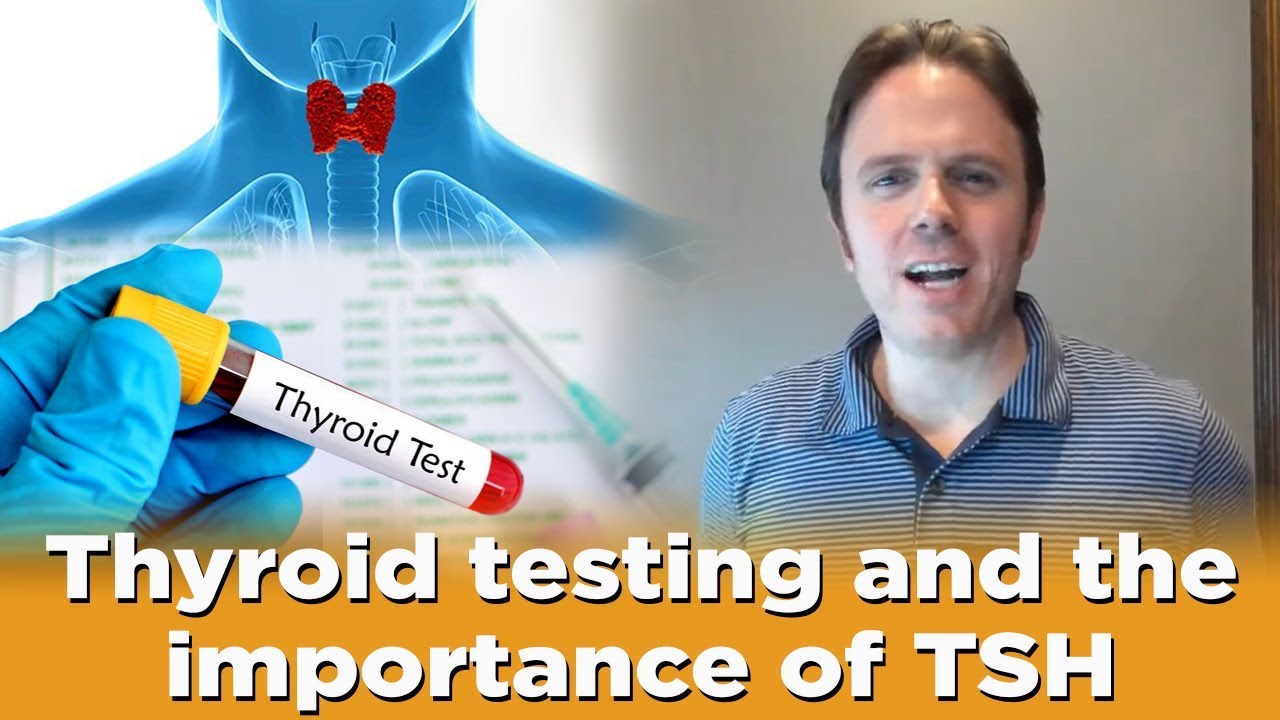
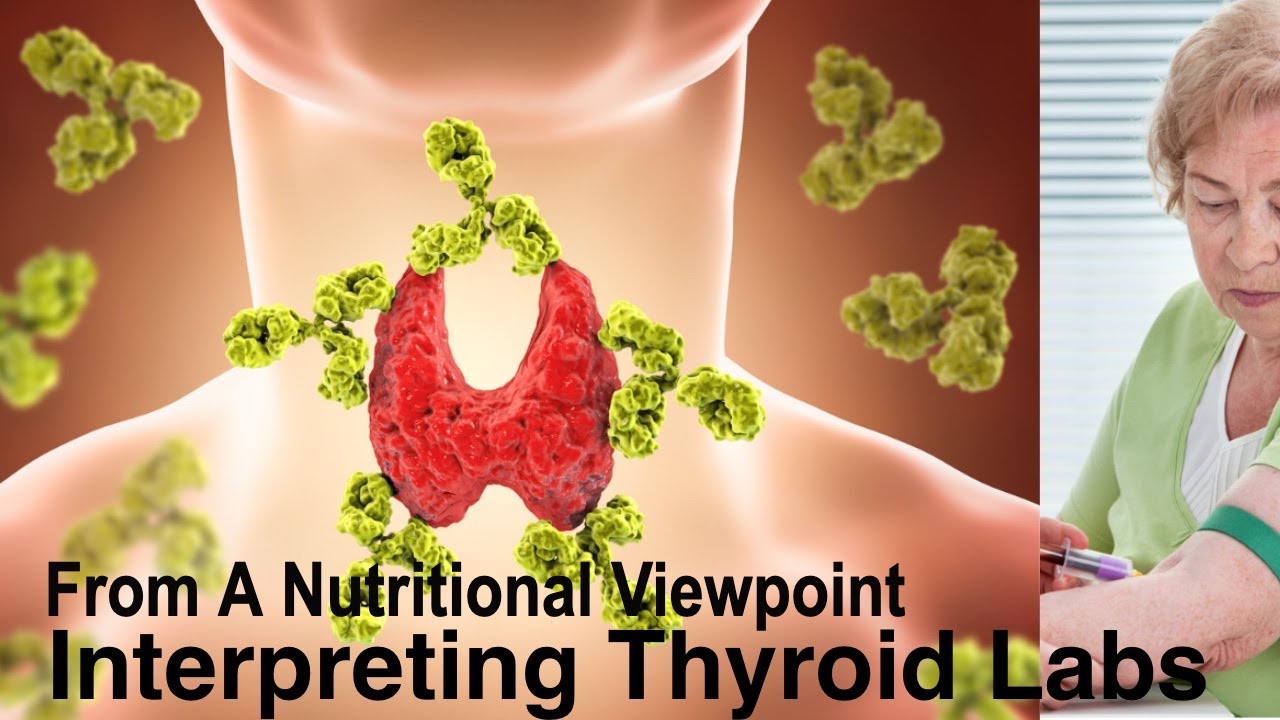
Thyroid function tests are a series of blood tests used to measure how well your thyroid gland is working. The thyroid is a small, butterfly-shaped gland located at the base of your neck, and it plays a crucial role in regulating your body's metabolism, energy production, and overall hormonal balance. These tests are essential for diagnosing and managing thyroid disorders, which can significantly impact your health.
Key Thyroid Hormones
The primary hormones produced by the thyroid gland include:
- Thyroxine (T4): This is the main hormone produced by the thyroid gland. It is converted into triiodothyronine (T3) in the body, which is the active form of the hormone.
- Triiodothyronine (T3): This hormone is more potent than T4 and is responsible for regulating metabolism.
- Thyroid-Stimulating Hormone (TSH): Produced by the pituitary gland, TSH stimulates the thyroid gland to produce T4 and T3.
Common Thyroid Function Tests
Thyroid function tests typically include the following:
1. TSH Test
The TSH test is often the first test ordered to evaluate thyroid function. It measures the level of thyroid-stimulating hormone in the blood. High TSH levels may indicate hypothyroidism (underactive thyroid), while low TSH levels may suggest hyperthyroidism (overactive thyroid).
2. Free T4 Test
The free T4 test measures the level of thyroxine that is not bound to proteins in the blood. This test helps determine how well the thyroid is producing T4. Abnormal levels can indicate thyroid dysfunction.
3. Free T3 Test
The free T3 test measures the level of triiodothyronine that is not bound to proteins. It is often used when hyperthyroidism is suspected, as T3 levels can be elevated even when T4 levels are normal.
4. Total T4 and Total T3 Tests
These tests measure the total amount of T4 and T3 in the blood, including both bound and unbound hormones. They are less commonly used than free hormone tests but can provide additional information in certain cases.
Additional Tests
In some cases, additional tests may be ordered to provide a more comprehensive assessment of thyroid function:
- Thyroid Antibody Tests: These tests detect antibodies that may indicate autoimmune thyroid disorders, such as Hashimoto's thyroiditis or Graves' disease.
- Thyroglobulin Test: This test measures the level of thyroglobulin, a protein produced by the thyroid gland. It is often used to monitor patients with thyroid cancer.
- Calcitonin Test: This test measures the level of calcitonin, a hormone produced by the thyroid that helps regulate calcium levels. It is used to diagnose medullary thyroid cancer.
Interpreting Test Results
Interpreting thyroid function test results can be complex, as they must be considered in the context of the patient's symptoms and medical history. Here are some general guidelines:
- High TSH and Low T4/T3: This pattern is typically seen in primary hypothyroidism, where the thyroid gland is not producing enough hormones.
- Low TSH and High T4/T3: This pattern is often indicative of hyperthyroidism, where the thyroid gland is overactive.
- Normal TSH with Abnormal T4/T3: This may suggest a condition known as subclinical thyroid dysfunction, where the thyroid is not functioning optimally, but symptoms may not be present.
Factors Affecting Thyroid Function Tests
Several factors can influence thyroid function test results, including:
- Medications: Certain medications, such as steroids, birth control pills, and lithium, can affect thyroid hormone levels.
- Pregnancy: Hormonal changes during pregnancy can alter thyroid function test results.
- Illness: Acute or chronic illnesses can impact thyroid hormone levels and test results.
Importance of Thyroid Function Tests
Thyroid function tests are crucial for diagnosing and managing thyroid disorders. Early detection and treatment of thyroid dysfunction can prevent complications and improve quality of life. Common thyroid disorders include:
- Hypothyroidism: Characterized by fatigue, weight gain, and depression, hypothyroidism occurs when the thyroid gland does not produce enough hormones.
- Hyperthyroidism: Symptoms include weight loss, anxiety, and palpitations, and it occurs when the thyroid gland produces too much hormone.
- Autoimmune Thyroid Disorders: Conditions like Hashimoto's thyroiditis and Graves' disease involve the immune system attacking the thyroid gland, leading to dysfunction.