Butterweed
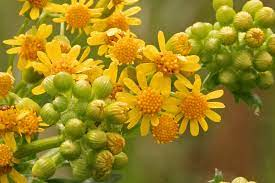
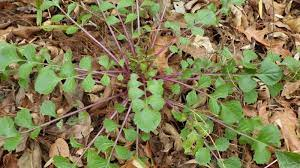
Butterweed (Packera glabella)
Butterweed, scientifically known as Packera glabella, is a fascinating plant species that belongs to the Asteraceae family. This plant is commonly found in the southeastern United States, thriving in moist environments such as wetlands, floodplains, and along riverbanks. Its vibrant yellow flowers and unique ecological role make it a subject of interest for botanists, ecologists, and nature enthusiasts alike.
Identification and Description
Butterweed is an annual herb that can grow up to 3 feet tall. It is characterized by its:
- Stems: Smooth, hollow, and often purplish at the base.
- Leaves: Basal leaves are large, lobed, and form a rosette at the base of the plant. The stem leaves are smaller, alternate, and become progressively smaller up the stem.
- Flowers: Bright yellow, daisy-like flowers that bloom in clusters at the top of the stems. Each flower head is composed of numerous tiny florets.
- Seeds: Small, brown, and equipped with a pappus of fine hairs that aid in wind dispersal.
Habitat and Distribution
Butterweed is predominantly found in the southeastern United States, including states like Louisiana, Mississippi, Alabama, and Florida. It prefers:
- Moist Soils: Often found in wetlands, floodplains, and along riverbanks.
- Disturbed Areas: Can also thrive in disturbed areas such as roadsides and agricultural fields.
The plant's ability to grow in a variety of moist environments makes it a resilient species that can quickly colonize suitable habitats.
Ecological Role
Butterweed plays a significant role in its ecosystem:
- Pollinator Support: The bright yellow flowers attract a variety of pollinators, including bees, butterflies, and other insects, which are crucial for the pollination of many other plant species.
- Soil Stabilization: The plant's root system helps stabilize soil in flood-prone areas, reducing erosion and maintaining soil health.
- Wildlife Habitat: Provides habitat and food for various wildlife species, including insects and small mammals.
Medicinal and Cultural Uses
Historically, Native American tribes have utilized Butterweed for its medicinal properties. Some of the traditional uses include:
- Anti-inflammatory: Used in poultices to reduce inflammation and treat wounds.
- Digestive Aid: Infusions made from the plant were used to alleviate digestive issues.
While these traditional uses highlight the plant's importance in indigenous cultures, it is essential to approach such uses with caution and consult with knowledgeable practitioners. Toxic when eaten by humans and if the sap touches the skin.. Butterweed and the gobs of other plants that grow along rivers and streams play an important role in stabilizing the banks against erosion. They also provide important cover for the animals, ranging from insects to birds and mammals, that visit streams for water and to forage and hunt for food.
Conservation and Management
Despite its resilience, Butterweed faces challenges due to habitat loss and environmental changes. Conservation efforts focus on:
- Habitat Protection: Preserving wetlands and floodplains where Butterweed thrives.
- Invasive Species Control: Managing invasive species that compete with Butterweed for resources.
- Public Awareness: Educating the public about the ecological importance of Butterweed and the need for conservation.
Interesting Facts
- Rapid Growth: Butterweed can quickly colonize suitable habitats, making it a common sight in its native range.
- Seasonal Bloomer: The plant typically blooms in the spring, adding a splash of color to wetlands and floodplains.
- Adaptability: Its ability to thrive in disturbed areas makes it a resilient species that can adapt to changing environments.