Crepe Ginger / Cane-Reed
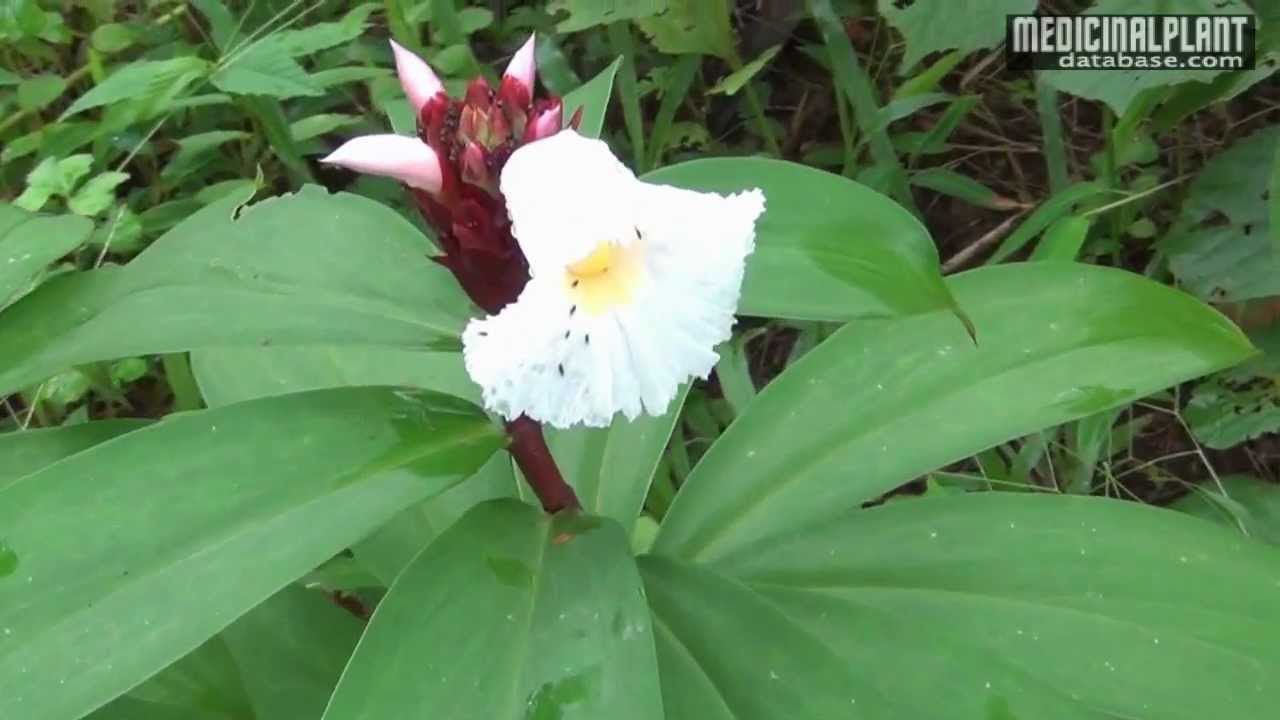
Medicinal Part: the rhizome
Not to be confused with Saussurea lappa and Canella winterana. Itis used to adulterate Gloriosa superba
Habitat: India
Constituents
Steroid saponins (1 to4%) chief components, dioscin and gracillin, aglycones diosgenin, tigogenin
Steroids: sterols, including beta-sitosterol, beta-sitosterol glucoside
Curcuminoids (3%); including curcumin
Effects
It exhibits estrogenic, antiexudative, spasmolytic, choleretic, and anesthesia-prolonging effects
Uses
Ayurveda: forfebrileconditions, coughs, skin conditions, retention of the placenta, postpartumbleeding,threatening abortion, insufficient uterine contractility and snake bites.
Cautions
It is conceivable that gastric complaints and nausea might be experienced, as well as kidney irritation, due to the high level of saponin content.
Overdose
Could lead to European cholera, iincreased diuresis and shock
α-glucosidase and glycation inhibitory effects of costus speciosus leaves
Wikipedia
Cheilocostus speciosus or (syn. Costus speciosus) or crêpe ginger is possibly the best known cultivated species of the genus Costus. This plant is native to southeast Asia and surrounding regions, from India to China to Queensland, It is especially common on the Greater Sunda Islands in Indonesia. It is also reportedly naturalized in Mauritius, Réunion, Fiji, Hawaii, Costa Rica, Belize, Melanesia, Micronesia, and the West Indies.
Description
Cheilocostus speciosus differs from the common ginger by having only one row of spirally arranged leaves. The species reproduces vegetatively by rhizome, and birds disperse the seeds when they feed on the fruits.
This plant is cultivated in India for its medicinal uses, and is cultivated elsewhere as an ornamental. In some areas Cheilocostus speciosus is introduced and has become an invasive species.
Habitat
The habitat where this species is found is roadside ditches and low-lying areas in the forest. The flowering season starts after the rainy season, from October to December.
Human relevance
The plant has many historical uses in Ayurveda, where the rhizome has been used to treat fever, rash, asthma, bronchitis, and intestinal worms. It is mentioned in the Kama Sutra as an ingredient in a cosmetic to be used on the eyelashes to increase sexual attractiveness.
Cheilocostus speciosus has a large number of common names in many languages, including isebsab' (Palauan); keu, kemuk or keumul (Bengali); keukand (Hindi); thebu (Sinhala); pakarmula (Gujarati); pushkarmula (Marathi and Sanskrit); jom lakhuti (Assamese); kostam (Tamil); "Kosta" in Kannada; and "Kostamu" in Telugu. - Wikipedia
GALLERY
- Flower at Kolkata, West Bengal, India.
- Flower & leaves at Kolkata, West Bengal, India.
- Costus speciosus in Basse Terre, Guadeloupe.
- Costus speciosus in Hawaii.