Smooth Phacelia
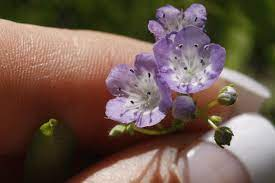
Phacelia glabra, commonly known as smooth phacelia, is a stunning flowering plant that belongs to the Hydrophyllaceae family. Native to North America, this herbaceous annual plant is known for its delicate beauty and unique characteristics.
Appearance and Characteristics
Phacelia glabra is a visually striking plant that typically grows to a height of 1 to 3 feet. It boasts slender stems adorned with clusters of intricate, bell-shaped flowers that range in color from shades of purple to blue. The leaves of Phacelia glabra are deeply lobed and have a soft, velvety texture, adding to the plant's overall charm. The flowers attract a variety of pollinators, making Phacelia glabra a valuable addition to gardens and natural landscapes.
Habitat and Distribution
Smooth phacelia is primarily found in the western regions of North America, including parts of the United States and Mexico. It thrives in a variety of habitats, from open woodlands and meadows to rocky slopes and disturbed areas. Phacelia glabra is well-adapted to different soil types and can tolerate varying levels of sunlight, making it a versatile and resilient plant in various ecosystems.
Ecological Importance
Phacelia glabra plays a crucial role in supporting biodiversity and ecosystem health. As a native plant species, it provides food and habitat for a wide range of pollinators, including bees, butterflies, and hummingbirds. The nectar-rich flowers of Phacelia glabra attract these pollinators, contributing to the pollination of other plant species in the area. By promoting pollinator activity, smooth phacelia helps maintain the balance of local ecosystems and supports the overall health of the environment.
Cultivation and Gardening
Gardeners and conservationists alike appreciate Phacelia glabra for its ornamental value and ecological benefits. Cultivating smooth phacelia in gardens and landscapes can enhance the aesthetic appeal of outdoor spaces while also supporting pollinator populations. This plant is relatively easy to grow from seed and thrives in well-drained soil with moderate moisture levels. Gardeners can sow Phacelia glabra seeds in the spring or fall to enjoy its beautiful blooms and contribute to local biodiversity.
Medicinal and Culinary Uses
In addition to its ecological importance and ornamental value, Phacelia glabra has been used for various medicinal and culinary purposes. Some indigenous communities have traditionally used parts of the plant for medicinal remedies, such as treating respiratory ailments and skin conditions. While further research is needed to validate these uses, Phacelia glabra remains a plant of interest for its potential health benefits.
Conservation Status
Despite its ecological significance and aesthetic appeal, Phacelia glabra faces threats from habitat loss, invasive species, and other environmental pressures. Conservation efforts are essential to protect and preserve native populations of smooth phacelia and ensure the continued health of ecosystems where it occurs. By raising awareness about the importance of native plants like Phacelia glabra, we can work together to safeguard biodiversity and promote sustainable land management practices.