Sperm Count
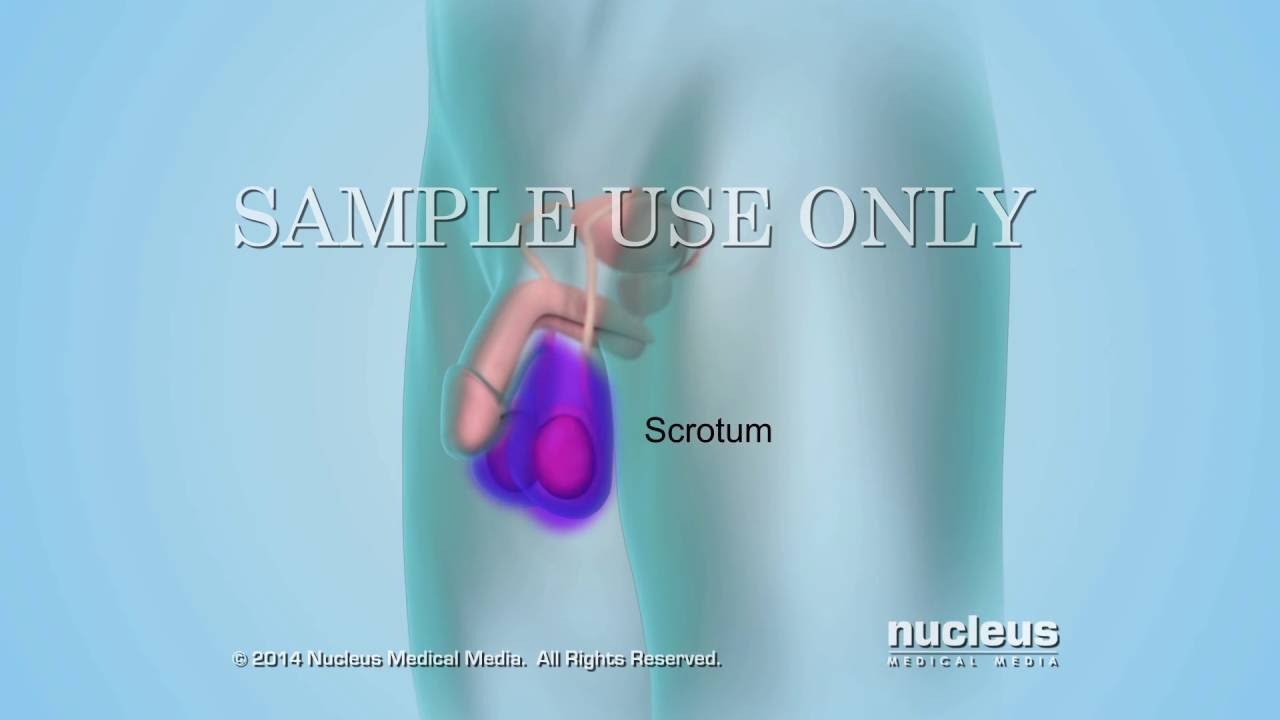
Sperm count is a critical parameter in the assessment of male fertility. It refers to the number of sperm present in a given volume of semen and is a key factor in determining a man's reproductive health. A low sperm count, known as oligospermia, can significantly impact a couple's ability to conceive.
WHAT IS SPERM COUNT?
Sperm count is typically measured as the number of sperm per milliliter of semen. According to the World Health Organization (WHO), a normal sperm count ranges from 15 million to over 200 million sperm per milliliter. Counts below 15 million are considered low and may indicate potential fertility issues.
Importance of Sperm Count in Fertility
Sperm count is a crucial component of male fertility. A higher sperm count increases the likelihood of sperm reaching and fertilizing an egg, thus enhancing the chances of conception. However, it is not the sole determinant of fertility; factors such as sperm motility (movement) and morphology (shape) also play significant roles.
Diagnostic Procedures for Sperm Count
1. Semen Analysis
The primary diagnostic tool for assessing sperm count is a semen analysis. This test evaluates several parameters, including:
- Volume: The total amount of semen produced.
- Concentration: The number of sperm per milliliter of semen.
- Motility: The percentage of sperm that are moving.
- Morphology: The percentage of sperm with a normal shape.
2. Collection and Preparation
For accurate results, semen samples are typically collected through masturbation after a period of sexual abstinence, usually 2-7 days. The sample is then analyzed in a laboratory setting.
3. Advanced Diagnostic Techniques
In some cases, additional tests may be required to further investigate fertility issues:
- Hormonal Testing: Evaluates levels of hormones such as testosterone and follicle-stimulating hormone (FSH) that regulate sperm production.
- Genetic Testing: Identifies genetic abnormalities that may affect sperm production or function.
- Ultrasound: Assesses the structure of the male reproductive organs.
Factors Affecting Sperm Count
Several factors can influence sperm count, including:
- Lifestyle Choices: Smoking, excessive alcohol consumption, and drug use can negatively impact sperm production.
- Environmental Factors: Exposure to toxins, such as pesticides and heavy metals, can reduce sperm count.
- Medical Conditions: Conditions like diabetes, obesity, and certain infections can affect sperm production.
- Medications: Some medications, including those for hypertension and depression, may impact sperm count.
Implications of Low Sperm Count
A low sperm count can have several implications:
- Infertility: The most direct consequence of a low sperm count is reduced fertility, making it more challenging for a couple to conceive naturally.
- Emotional Impact: Infertility can lead to emotional distress, affecting self-esteem and relationships.
- Health Indicators: A low sperm count may signal underlying health issues that require medical attention.
Treatment and Management
While a low sperm count can be concerning, several treatment options are available:
- Lifestyle Modifications: Improving diet, exercising regularly, and avoiding harmful substances can enhance sperm production.
- Medical Treatments: Hormonal therapies and medications can address specific medical conditions affecting sperm count.
- Assisted Reproductive Technologies (ART): Techniques such as in vitro fertilization (IVF) and intracytoplasmic sperm injection (ICSI) can assist in achieving pregnancy despite low sperm counts.