Thin-leaf Mountain Mint
Constituents:
Pycnanthemum montanum, commonly known as thin-leaf mountain mint, is a captivating plant species that belongs to the mint family, Lamiaceae. This perennial herb is native to North America, where it can be found in various habitats such as meadows, woodlands, and along stream banks.
Description
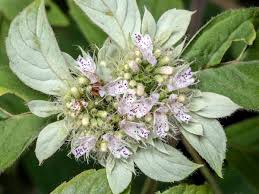
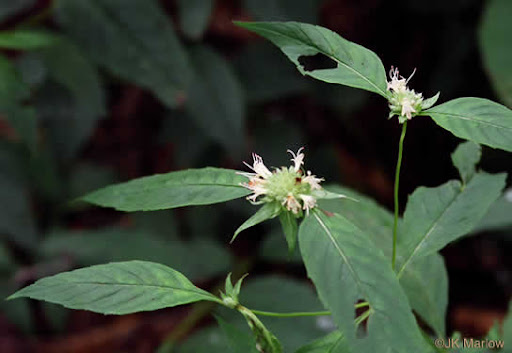
Mountain mint is a herbaceous plant that typically grows to a height of 1 to 3 feet. It features square stems, opposite leaves, and clusters of small, white flowers that bloom in the summer months. The leaves of Pycnanthemum montanum are lance-shaped and emit a pleasant minty fragrance when crushed, making them a favorite among pollinators such as bees and butterflies. The plant's overall appearance is both aesthetically pleasing and functional, making it a popular choice for gardeners and landscapers.
Ecological Importance
Pycnanthemum montanum plays a vital role in its ecosystem by providing food and habitat for a variety of wildlife species. The plant's nectar-rich flowers attract pollinators, including bees and butterflies, which help facilitate the process of pollination. Additionally, mountain mint serves as a host plant for the larvae of certain butterfly species, contributing to the overall biodiversity of its habitat. By supporting a diverse array of pollinators and insects, Pycnanthemum montanum helps maintain a healthy and balanced ecosystem.
Medicinal Uses
In addition to its ecological importance, mountain mint has a long history of medicinal use by various indigenous tribes and early settlers. The leaves of Pycnanthemum montanum contain essential oils with antibacterial and anti-inflammatory properties, making them a valuable resource for traditional medicine. Infusions and extracts made from the plant have been used to treat a variety of ailments, including digestive issues, respiratory problems, and skin conditions. While more research is needed to fully understand the plant's medicinal properties, its historical use underscores its potential as a natural remedy.
Cultivation
For those interested in cultivating Pycnanthemum montanum, mountain mint is a relatively low-maintenance plant that thrives in a variety of growing conditions. It prefers well-drained soil and full to partial sunlight, making it suitable for gardens, meadows, and naturalized landscapes. Mountain mint is drought-tolerant once established and can attract beneficial insects to the garden. Gardeners can propagate the plant through seeds or division, making it a versatile addition to any landscape design.
Culinary Uses
Beyond its ecological and medicinal benefits, mountain mint also has culinary applications that make it a versatile herb in the kitchen. The leaves of Pycnanthemum montanum can be used fresh or dried to add a minty flavor to a variety of dishes, including salads, teas, and desserts. The plant's aromatic leaves can also be used to infuse oils, vinegars, and cocktails, adding a refreshing and unique twist to culinary creations. With its pleasant flavor and fragrance, mountain mint is a valuable herb for both culinary enthusiasts and home cooks alike.