Clustered Dock
See also: Rumex (genus)
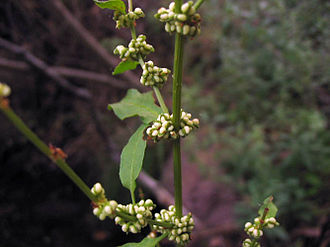
Clustered Dock: Rumex conglomeratus
Clustered Dock, scientifically known as Rumex conglomeratus, is a perennial plant belonging to the Polygonaceae family. This plant is commonly found in Europe and parts of Asia, thriving in moist environments such as riverbanks, ditches, and wet meadows. It is often considered a weed due to its robust growth and ability to spread rapidly. However, it also holds ecological and medicinal significance.
Botanical Description
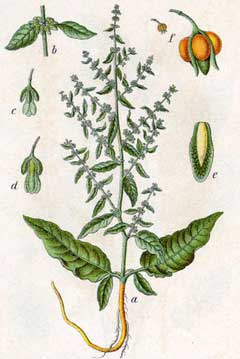
Rumex conglomeratus is characterized by its tall, erect stature, typically reaching heights of 50 to 100 centimeters. The plant features a hollow stem that is often tinged with red. Its leaves are large, lanceolate, and have a wavy margin, with a distinctive midrib running through the center. The leaves are arranged alternately along the stem.
The plant's inflorescence is a dense cluster of small, greenish flowers, which gives it the name "Clustered Dock." These flowers are arranged in whorls along the upper part of the stem. The flowering period extends from June to August, after which the plant produces small, triangular seeds that are dispersed by wind and water.
Habitat and Distribution
Clustered Dock is native to Europe and parts of Asia but has been introduced to other regions, including North America. It thrives in wet, nutrient-rich soils and is commonly found in:
- Riverbanks
- Marshes
- Ditches
- Wet meadows
- Floodplains
The plant's preference for moist environments makes it a common sight in areas with high water tables or frequent flooding.
Ecological Role
Despite being labeled as a weed, Rumex conglomeratus plays a vital role in its ecosystem. It provides habitat and food for various insects, including butterflies and moths. The plant's dense foliage offers shelter for small animals and helps stabilize soil in wet areas, reducing erosion.
Moreover, Clustered Dock is a host plant for several species of Lepidoptera, including the Small Copper butterfly (Lycaena phlaeas). The plant's seeds are also a food source for birds and small mammals.
Medicinal Uses
Historically, Rumex conglomeratus has been used in traditional medicine for its purported health benefits. The plant contains several bioactive compounds, including tannins, flavonoids, and anthraquinones, which contribute to its medicinal properties. Some of the traditional uses include:
- Digestive Aid: The plant has been used to alleviate digestive issues such as constipation and indigestion.
- Anti-inflammatory: Extracts from the plant have been applied topically to reduce inflammation and soothe skin irritations.
- Diuretic: It has been used to promote urine production and support kidney function.
While these traditional uses are well-documented, it is essential to consult with a healthcare professional before using Clustered Dock for medicinal purposes, as scientific evidence supporting these claims is limited.
EDIBLE USES
1. Leaves — cooked greens
- The leaves are edible when cooked, especially when young.
- Flavor: bitter, becoming more bitter with age.
- Cooking (boiling, sautéing) reduces both bitterness and oxalic acid.
- Traditional use: In Turkey, the leaves are used for sarma (stuffed leaf rolls) and are also fried with eggs.
2. Seeds — flour extender
- Seeds can be eaten raw or cooked.
- They can be ground into a powder and added to flour for bread, biscuits, and similar foods.
- Seeds are small and fiddly to harvest, so they’re more of a supplemental wild food.
⚠️ SAFETY NOTES
- High oxalic acid content can aggravate conditions like kidney stones, gout, arthritis, or hyperacidity.
- Do not eat large quantities of raw leaves.
- Cooking significantly reduces oxalates.
Plants can contain quite high levels of oxalic acid, which is what gives the leaves of many members of this genus an acid-lemon flavour. Perfectly alright in small quantities, the leaves should not be eaten in large amounts since the oxalic acid can lock-up other nutrients in the food, especially calcium, thus causing mineral deficiencies. The oxalic acid content will be reduced if the plant is cooked. People with a tendency to rheumatism, arthritis, gout, kidney stones or hyperacidity should take especial caution if including this plant in their diet since it can aggravate their condition.
CULTIVATION AND MANAGEMENT
Due to its invasive nature, managing the growth of Rumex conglomeratus is crucial in areas where it is not native. The plant can quickly dominate landscapes, outcompeting native flora and altering ecosystems. Effective management strategies include:
- Mechanical Control: Regular mowing or cutting can help prevent the plant from flowering and setting seed.
- Biological Control: Introducing natural predators or competitors can help manage the plant's spread in a more environmentally friendly manner.
For those interested in cultivating Clustered Dock for its ecological or medicinal benefits, it is essential to monitor its growth closely to prevent it from becoming invasive.
Antioxidant activity of *Rumex conglomeratus*P. Collected from turkey . R. conglomeratus, locally known as "labada", is one of the most popular leafy vegetables consumed in Thrace region of Turkey.
Inhibitory effects of wild dietary plants on lipid peroxidation and on the proliferation of human cancer cells R. conglomeratus contained the highest amount of flavonoids.