Basil Mountain Mint
Constituents
Pycnanthemum clinopodioides, commonly known as the basil mountain mint, is a species of flowering plant that belongs to the mint family, Lamiaceae. This perennial herb is native to North America, specifically found in regions such as the eastern United States and parts of Canada.
Description and Characteristics
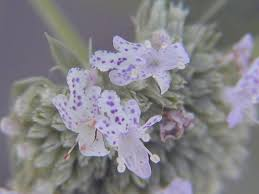
Mountain mint is a visually striking plant that typically grows to a height of about 2 to 3 feet. It features square stems, opposite leaves, and clusters of small, white or pale pink flowers that bloom in the summer months. The leaves of Pycnanthemum clinopodioides are aromatic when crushed, emitting a pleasant minty fragrance. This distinctive scent is one of the plant's defining features and adds to its overall appeal in gardens and natural landscapes.
Habitat and Distribution
Pycnanthemum clinopodioides thrives in a variety of habitats, including meadows, prairies, and open woodlands. It prefers well-drained soils and is often found in sunny or partially shaded areas. Mountain mint is known to attract pollinators such as bees, butterflies, and other beneficial insects, making it a valuable addition to pollinator gardens and wildlife habitats. Its distribution across North America contributes to the biodiversity of the region and supports local ecosystems.
Cultivation and Gardening
Gardeners and plant enthusiasts appreciate Pycnanthemum clinopodioides for its ornamental value and low maintenance requirements. This plant can be cultivated in home gardens, native plant landscapes, and naturalized areas. Mountain mint is adaptable to a range of soil types and growing conditions, making it a versatile choice for landscaping projects. Its attractive foliage, fragrant flowers, and wildlife-friendly characteristics make it a popular option for eco-conscious gardeners.
Medicinal and Culinary Uses
In addition to its ornamental qualities, Pycnanthemum clinopodioides has a history of medicinal and culinary uses. The leaves of the plant contain essential oils with potential therapeutic properties, including anti-inflammatory and digestive benefits. Herbalists have traditionally used mountain mint to make teas, tinctures, and topical preparations for various health conditions. Its minty flavor and aroma also make it a flavorful addition to culinary dishes and beverages.
Ecological Importance
Pycnanthemum clinopodioides plays a vital role in supporting biodiversity and ecosystem health. As a native plant species, mountain mint provides food and habitat for a wide range of pollinators, including bees, butterflies, and hummingbirds. By planting and preserving native species like Pycnanthemum clinopodioides, individuals can contribute to the conservation of local wildlife and promote a more sustainable environment.