Inversion Therapy
Return to Healing Therapies Menu
Videos
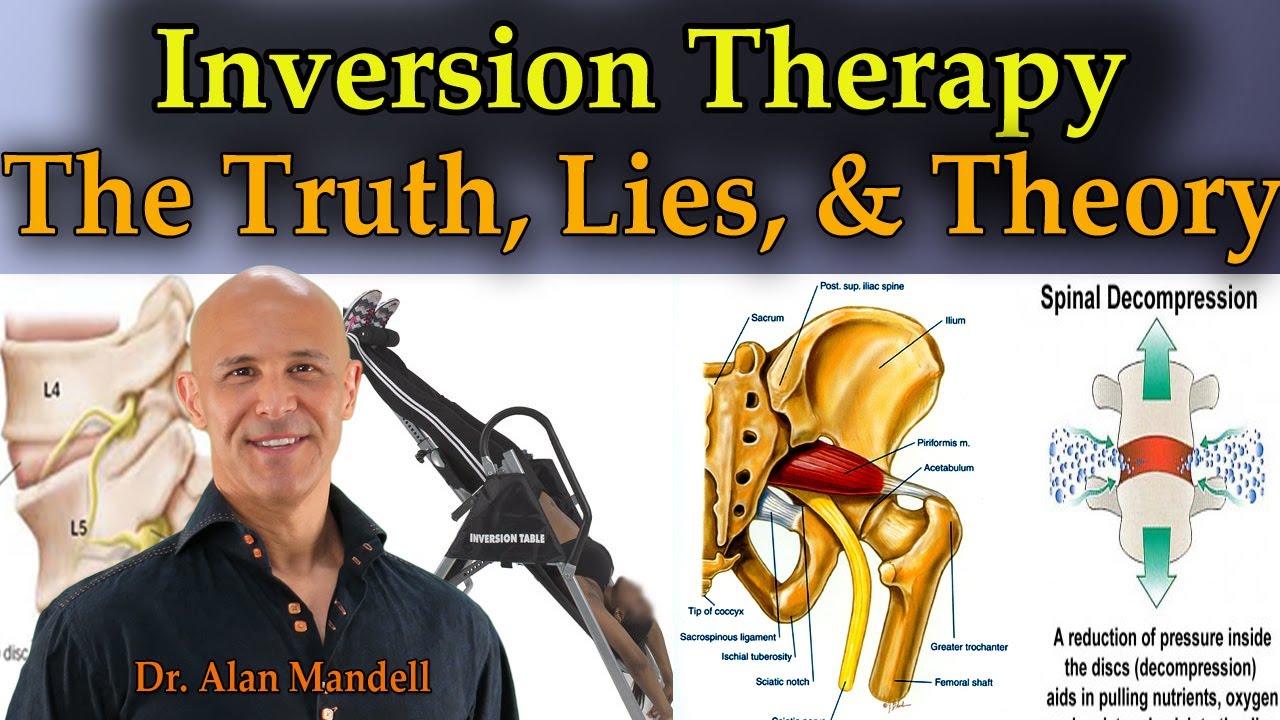
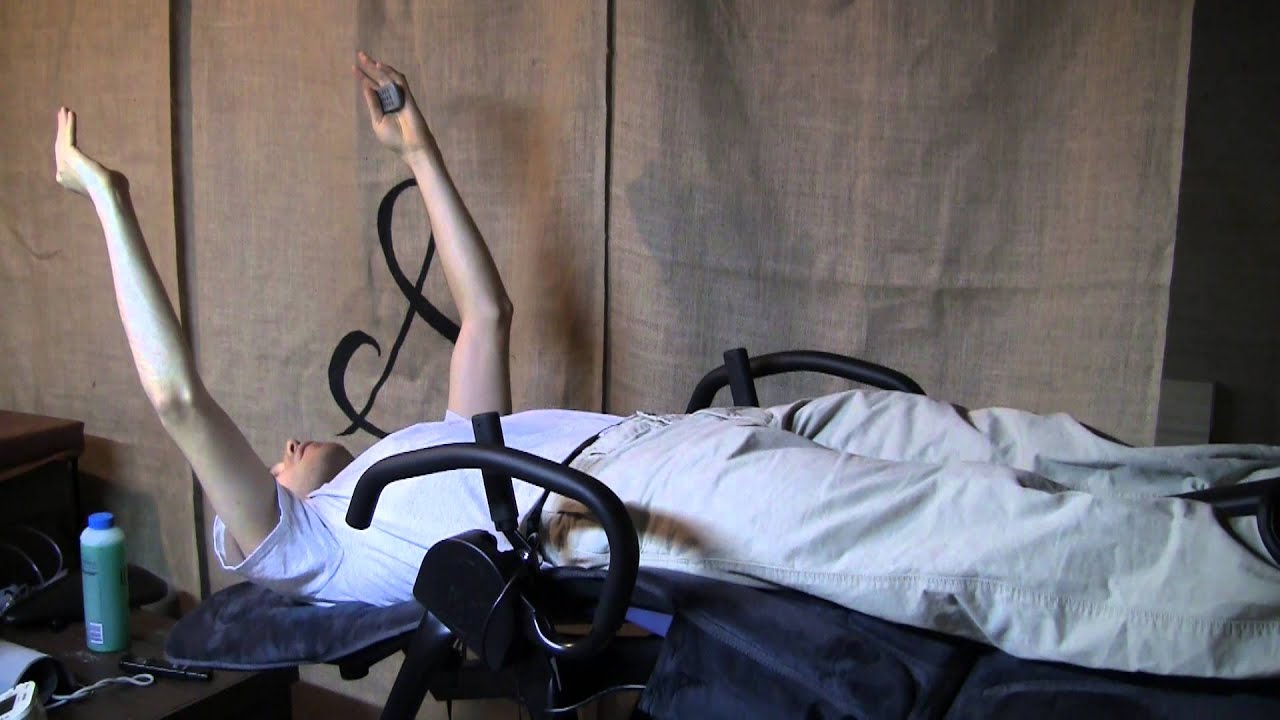
Inversion Table for Back pain, scoliosis, hair, eyes, brain, face
INVERSION THERAPY: FEEL WHAT HAPPENS IN 5 MINS
Inversion therapy is a form of physical therapy that involves hanging upside down or at an inverted angle with the intention of relieving back pain and improving overall spinal health. This practice has been used for centuries and is based on the principle of using gravity to decompress the spine, which can help alleviate pressure on the spinal discs and nerves.
How Inversion Therapy Works
The primary mechanism behind inversion therapy is the use of gravity to create traction in the spine. When a person is inverted, the gravitational pull helps to stretch the spine, increasing the space between the vertebrae. This can lead to several potential benefits:
- Decompression of Spinal Discs: By increasing the space between vertebrae, inversion therapy can help reduce the pressure on spinal discs, which may alleviate pain caused by conditions such as herniated discs or degenerative disc disease.
- Improved Circulation: Inversion can enhance blood flow to the brain and other parts of the body, potentially improving circulation and oxygenation of tissues.
- Reduced Nerve Pressure: By relieving pressure on the spinal discs, inversion therapy may also reduce pressure on the nerves, which can help alleviate pain and discomfort.
- Muscle Relaxation: The stretching effect of inversion can help relax muscles, reducing tension and stiffness in the back and neck.
Methods of Inversion Therapy
There are several methods and devices used to perform inversion therapy, each with its own advantages and considerations:
- Inversion Tables: These are the most common devices used for inversion therapy. They allow users to lie on a table that can be tilted to various angles, including full inversion. Inversion tables are adjustable, making them suitable for beginners and experienced users alike.
- Inversion Chairs: Similar to inversion tables, inversion chairs provide support and allow for controlled inversion. They are often considered more comfortable and easier to use for individuals with mobility issues.
- Gravity Boots: These are worn around the ankles and allow users to hang upside down from a bar. Gravity boots require more strength and balance, making them suitable for more experienced users.
- Yoga Inversions: Certain yoga poses, such as headstands and shoulder stands, can also provide inversion benefits. These poses require practice and should be performed under the guidance of a qualified instructor.
Potential Benefits of Inversion Therapy
Inversion therapy is often used as a complementary treatment for various conditions. Some of the potential benefits include:
- Pain Relief: Many users report relief from back pain, sciatica, and other forms of discomfort after regular inversion therapy sessions.
- Improved Flexibility: The stretching effect can enhance flexibility and range of motion in the spine and surrounding muscles.
- Posture Improvement: By decompressing the spine and reducing muscle tension, inversion therapy may contribute to better posture.
- Stress Reduction: The relaxation and circulation benefits of inversion therapy can help reduce stress and promote a sense of well-being.
Considerations and Precautions
While inversion therapy can offer several benefits, it is not suitable for everyone. Individuals with certain medical conditions should avoid inversion therapy or consult with a healthcare professional before trying it. These conditions include:
- High blood pressure
- Heart disease
- Glaucoma or other eye conditions
- Osteoporosis
- Pregnancy
Additionally, beginners should start with short sessions and gradually increase the duration and angle of inversion to avoid dizziness or discomfort.