Torch Ginger
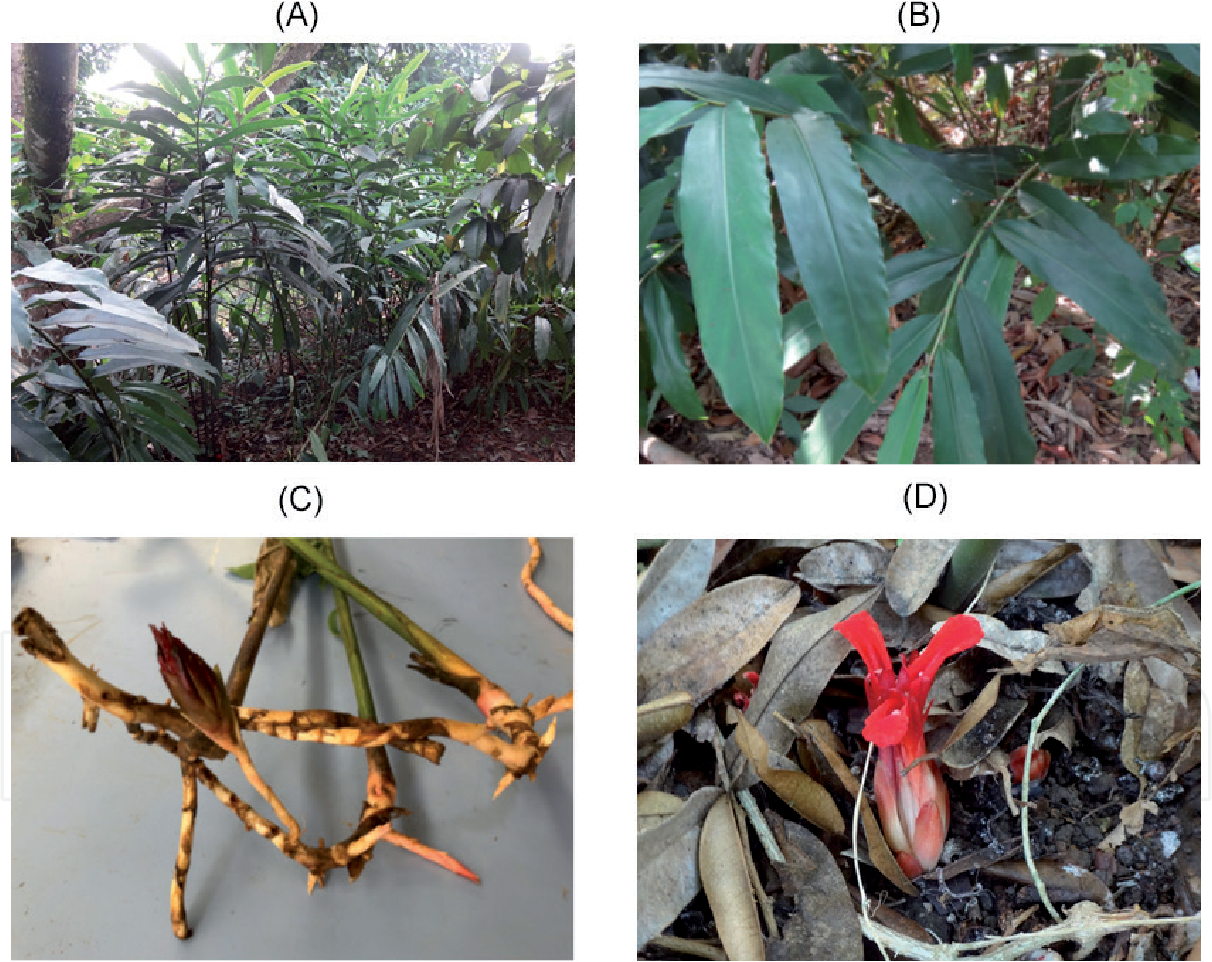
Etlingera pavieana, commonly known as the Thai ginger or torch ginger, is a fascinating plant species belonging to the Zingiberaceae family. This tropical plant is native to Southeast Asia, particularly Thailand, and is renowned for its striking appearance and various uses in culinary and traditional medicine.
Botanical Characteristics
Etlingera pavieana is a perennial herb that can grow up to 2-3 meters in height. The plant features long, lance-shaped leaves that are arranged in a spiral pattern around the stem. One of the most distinctive features of this plant is its inflorescence. The flowers are borne on a separate stalk that emerges from the ground, distinct from the leafy stems. The inflorescence is a dense, cone-shaped cluster of bright red or pink bracts, which can be quite large and visually striking. The actual flowers are small and white, nestled within the bracts.
Growth Conditions
This plant thrives in tropical climates and prefers well-drained, fertile soil. It requires a good amount of sunlight but can tolerate partial shade. Regular watering is essential, especially during the growing season, to maintain the plant's lush appearance. However, it is important to avoid waterlogging, as this can lead to root rot.
Culinary Uses
Etlingera pavieana is not just a pretty face; it is also highly valued in the culinary world. In Thai cuisine, the young shoots and flower buds are often used as ingredients in various dishes. The shoots have a mild, ginger-like flavor and can be eaten raw or cooked. They are commonly added to salads, soups, and stir-fries. The flower buds, on the other hand, are often used as a garnish or flavoring agent, imparting a unique taste and aroma to the dishes.
Popular Dishes
- Yam Hua Plee: A traditional Thai salad that features banana blossoms and young shoots of Etlingera pavieana, mixed with a tangy dressing made from lime juice, fish sauce, and chili.
- Tom Kha Gai: A coconut milk-based soup that often includes the flower buds of Etlingera pavieana for added flavor.
- Stir-fried Vegetables: The young shoots can be stir-fried with other vegetables and proteins, providing a subtle ginger flavor.
Medicinal Uses
In addition to its culinary applications, Etlingera pavieana has a long history of use in traditional medicine. Various parts of the plant are believed to have medicinal properties and are used to treat a range of ailments.
Traditional Remedies
- Digestive Issues: The rhizomes and shoots are often used to alleviate digestive problems such as indigestion and bloating.
- Anti-inflammatory: The plant is believed to have anti-inflammatory properties and is used to treat conditions like arthritis and muscle pain.
- Antimicrobial: Extracts from the plant have been shown to possess antimicrobial properties, making them useful in treating infections.
Ornamental Value
Beyond its practical uses, Etlingera pavieana is also highly prized as an ornamental plant. Its striking inflorescence and lush foliage make it a popular choice for tropical gardens and landscaping projects. The plant can be grown in pots or directly in the ground, and it makes a stunning focal point in any garden setting.
Growing Tips
- Soil: Use well-draining, fertile soil rich in organic matter.
- Watering: Keep the soil consistently moist but not waterlogged.
- Light: Provide full sun to partial shade.
- Fertilization: Apply a balanced fertilizer during the growing season to promote healthy growth.
Articles/Studies
- 4-methoxycinnamyl p-coumarate isolated from Etlingera pavieana rhizomes inhibits inflammatory response via suppression of NF-κB, Akt and AP-1 signaling in LPS-stimulated RAW 264.7 macrophages
- Anti-inflammatory Effect of Etlingera pavieana (Pierre ex Gagnep.) R.M.Sm. Rhizomal Extract and Its Phenolic Compounds in Lipopolysaccharide-Stimulated Macrophages
- Uncommon secondary metabolites from Etlingera pavieana rhizomes