Swallowing Study

VFSS Swallowing Study: Videofluoroscopic Swallowing Study

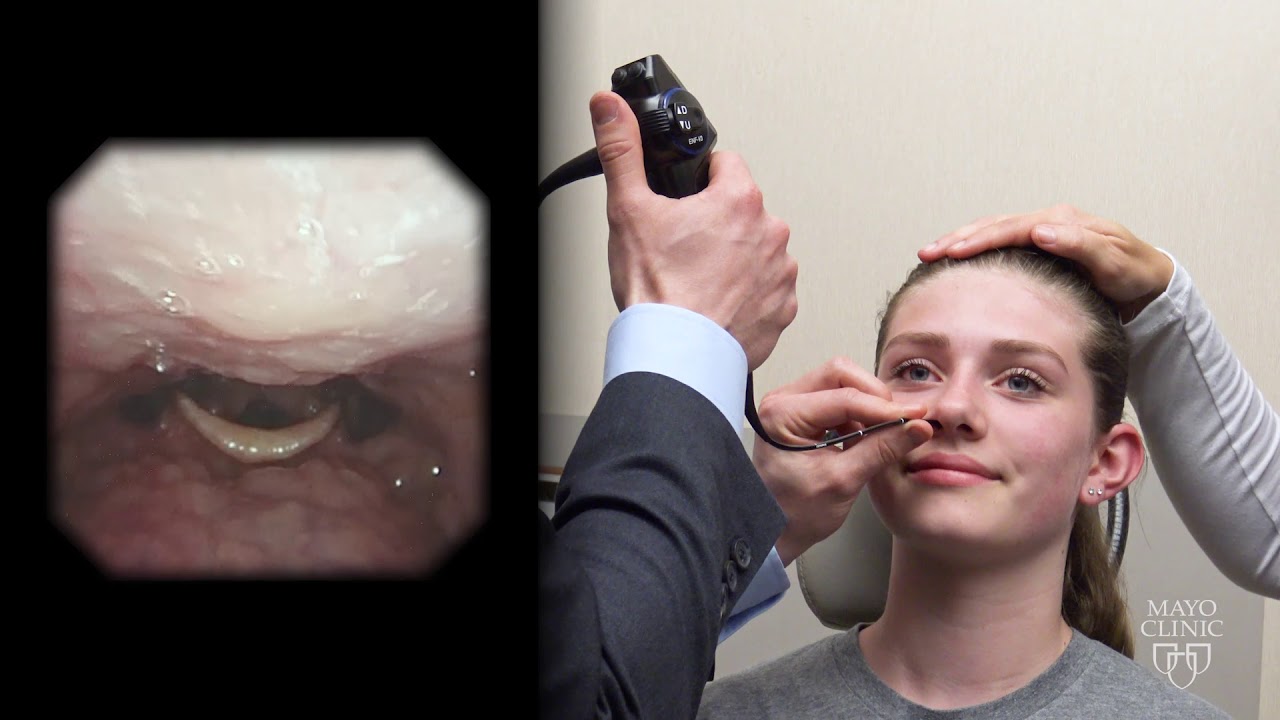
Swallowing studies, also known as dysphagia evaluations, are critical diagnostic tools used to assess and diagnose swallowing disorders. These studies provide valuable insights into how well a person can swallow and if there are any abnormalities or dysfunctions in the swallowing mechanism.
Purpose of Swallowing Studies
Swallowing studies are primarily conducted to:
- Diagnose swallowing disorders, commonly known as dysphagia.
- Identify the cause of swallowing difficulties, which may include neurological conditions, structural abnormalities, or other medical issues.
- Evaluate the safety and efficiency of swallowing.
- Develop appropriate treatment plans and interventions to improve swallowing function.
These studies are essential for patients experiencing symptoms such as choking, coughing during eating, unexplained weight loss, or recurrent pneumonia, which may indicate aspiration.
Types of Swallowing Studies
There are several types of swallowing studies, each with specific applications and benefits:
- Modified Barium Swallow Study (MBSS)
This is the most common type of swallowing study. It involves the patient swallowing a series of barium-coated substances of different consistencies while a radiologist captures real-time X-ray videos, known as fluoroscopy. This study provides detailed images of the swallowing process, highlighting any structural or functional issues.
- Fiberoptic Endoscopic Evaluation of Swallowing (FEES)
FEES involves the use of a flexible endoscope inserted through the nose to visualize the throat and larynx while the patient eats and drinks. This study offers a direct view of the swallowing process and is particularly useful for assessing the pharyngeal phase of swallowing.
- Esophagram (Barium Swallow)
An esophagram is a specialized X-ray study focused on the esophagus. The patient drinks a barium solution, and X-rays track its movement through the esophagus. This type of study is helpful for identifying structural abnormalities, such as strictures or motility disorders.
Procedure and Preparation
Preparation: Before undergoing a swallowing study, patients are typically advised to avoid eating or drinking for a specific period, usually a few hours. This ensures that the stomach is empty and provides clearer imaging results.
Procedure:
- Modified Barium Swallow Study
- The patient is seated upright in a chair or standing.
- A variety of foods and liquids mixed with barium are given to the patient to consume.
- The radiologist captures X-ray images while the patient swallows, focusing on the mouth, throat, and esophagus.
- FEES
- The patient is seated, and a numbing spray is applied to the nasal passages to minimize discomfort.
- The endoscope is gently inserted through the nose and positioned to view the throat.
- The patient is asked to eat and drink while the speech-language pathologist and physician observe the swallowing process.
- Esophagram
- The patient stands or lies down on a table.
- A barium solution is consumed, and X-ray images are taken to monitor the passage through the esophagus.
Significance in Diagnosis and Treatment
Swallowing studies play a vital role in the diagnosis and management of dysphagia. They help:
- Identify specific phases of swallowing where dysfunction occurs.
- Determine the risk of aspiration, which is crucial for preventing complications like aspiration pneumonia.
- Guide therapeutic interventions such as dietary modifications, swallowing therapy, or surgical procedures.
- Monitor progress and effectiveness of treatment plans over time.