Catheter
Catheter Care
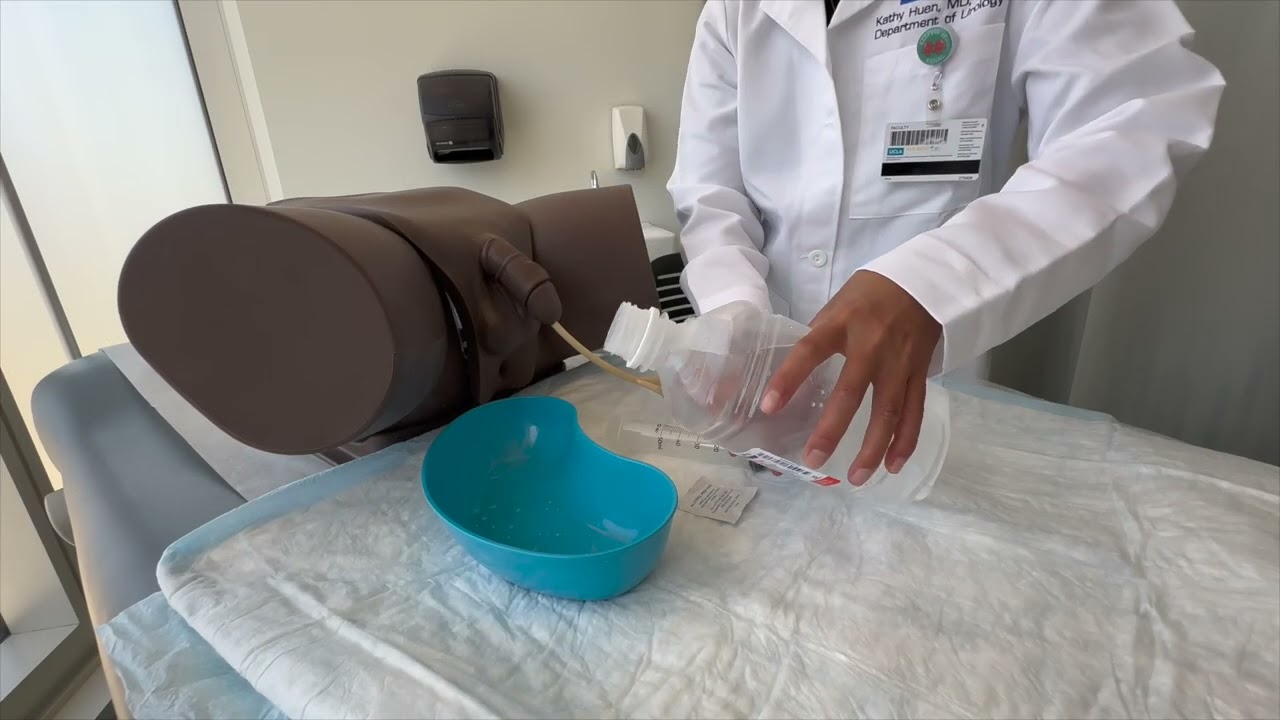
A catheter is a flexible tube that is inserted into the body to perform a variety of medical functions. These functions can range from draining fluids, administering medications, or accessing the body for surgical procedures. Catheters are essential tools in modern medicine, providing critical support in both diagnostic and therapeutic procedures.
Types of Catheters
Catheters come in various types, each designed for specific medical purposes. Here are some of the most common types:
- Urinary Catheters: These are used to drain urine from the bladder. They are often used in patients who have difficulty urinating naturally due to surgery, injury, or illness. Urinary catheters can be further categorized into:
- Indwelling Catheters (Foley Catheters): These are placed in the bladder and remain there for a period of time.
- Intermittent Catheters: These are used on a temporary basis and are removed after the bladder is emptied.
- External Catheters: These are used for males and fit over the penis like a condom.
- Intravenous (IV) Catheters: These are used to deliver fluids, medications, or nutrients directly into the bloodstream. They are commonly used in hospitals for patients who need quick and efficient delivery of substances.
- Central Venous Catheters (CVCs): These are inserted into large veins, usually in the neck, chest, or groin, and are used for long-term medication administration, chemotherapy, or nutrition.
- Cardiac Catheters: Used in cardiac catheterization procedures, these catheters are inserted into the heart's chambers or vessels to diagnose and treat heart conditions.
- Epidural Catheters: These are used to deliver anesthesia or pain relief medication into the epidural space of the spine, commonly used during childbirth.
Materials and Design
Catheters are made from a variety of materials, including silicone, latex, and polyurethane. The choice of material depends on the intended use, duration of use, and patient sensitivity. Silicone catheters, for example, are often used for long-term applications due to their flexibility and biocompatibility.
The design of a catheter can vary significantly. Some catheters have multiple lumens (channels) to allow for different functions, such as simultaneous fluid drainage and medication delivery. Others may have specialized tips or coatings to reduce friction and prevent infection.
Insertion and Care
The insertion of a catheter is a medical procedure that requires skill and precision. It is typically performed by healthcare professionals to minimize the risk of infection and ensure proper placement. The procedure can vary depending on the type of catheter and its intended use.
Proper care and maintenance of catheters are crucial to prevent complications such as infections, blockages, or damage to the surrounding tissues. Patients with long-term catheters are often educated on how to care for them at home, including regular cleaning and monitoring for signs of infection.
Risks and Complications
While catheters are invaluable in medical care, they are not without risks. Some potential complications include:
- Infections: Catheters can introduce bacteria into the body, leading to urinary tract infections (UTIs) or bloodstream infections.
- Blockages: Debris or blood clots can block the catheter, preventing it from functioning properly.
- Tissue Damage: Improper insertion or prolonged use can cause damage to the tissues surrounding the catheter.
Healthcare providers take numerous precautions to minimize these risks, such as using sterile techniques during insertion and regularly monitoring the catheter site.
Innovations and Future Directions
Advancements in catheter technology continue to improve their safety and effectiveness. Innovations include antimicrobial coatings to reduce infection risk, biodegradable materials for temporary use, and smart catheters equipped with sensors to monitor patient health in real-time.
The future of catheter technology holds promise for even more personalized and efficient medical care, with ongoing research focused on enhancing patient comfort and reducing complications.