Primary Lateral Sclerosis- PLS

PLS Patient Christine Moretti Explains Why She Thought She Had ALS

Canadian Primary Lateral Sclerosis (PLS) Patient Describes Her Regenerative Treatment Experience

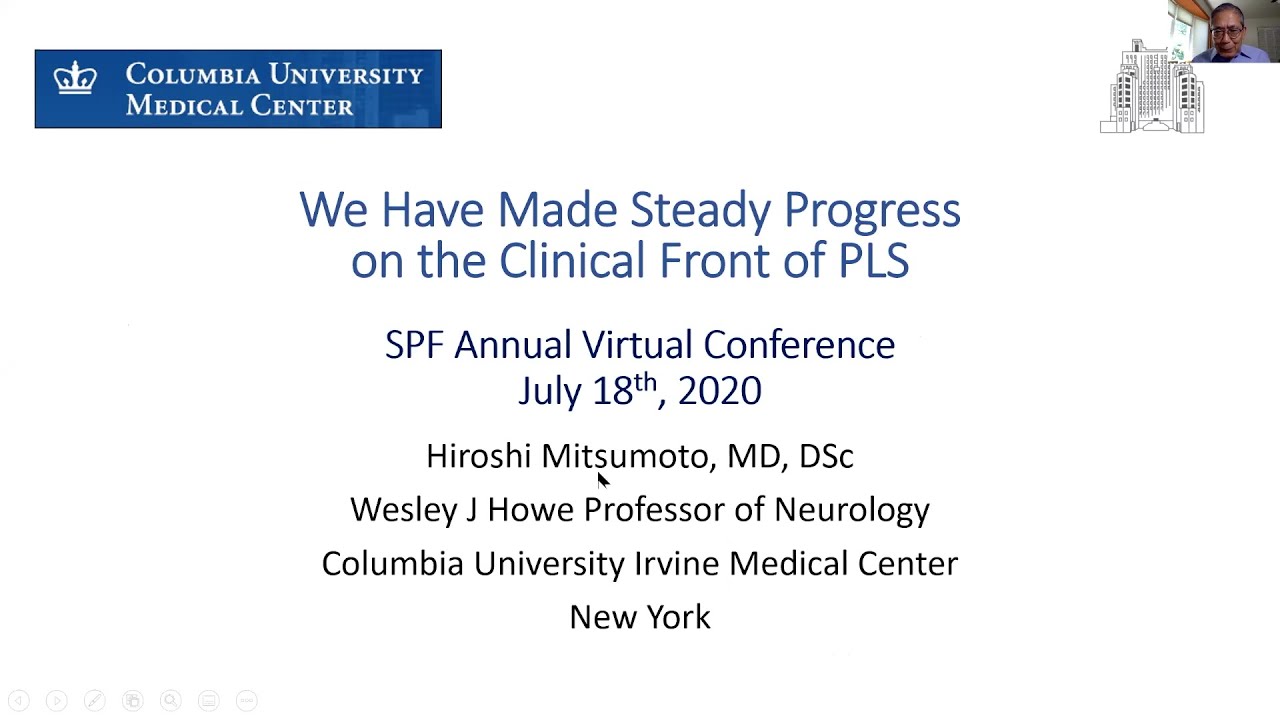
"We Have Made Steady Progress on the Clinical Front of PLS", Dr. Hiroshi Mitsumoto
Primary Lateral Sclerosis (PLS) is a rare neurological disorder that affects the upper motor neurons in the brain and spinal cord. It is characterized by progressive stiffness, weakness, and spasticity in the muscles, primarily in the arms and legs. PLS is considered a subtype of motor neuron disease, along with amyotrophic lateral sclerosis (ALS), but it differs in terms of its progression and prognosis.
Symptoms and Progression
The hallmark symptoms of PLS include muscle stiffness, weakness, and spasticity, which can lead to difficulty with movement and coordination. Patients may experience muscle cramps, muscle twitching, and exaggerated reflexes. The symptoms typically begin in one region of the body, such as the legs or arms, and gradually spread to other areas over time. Unlike ALS, PLS primarily affects the upper motor neurons, while ALS affects both the upper and lower motor neurons.
The progression of PLS is generally slower than ALS, with some patients experiencing stable symptoms for many years. However, the rate of progression can vary from person to person, making it challenging to predict the course of the disease. In some cases, PLS may eventually evolve into ALS, a more severe form of motor neuron disease.
Diagnosis and Treatment
Diagnosing PLS can be challenging due to its rarity and the overlap of symptoms with other neurological conditions. A comprehensive neurological examination, electromyography (EMG), and imaging studies such as MRI may be used to rule out other conditions and confirm the diagnosis of PLS. Genetic testing may also be recommended in some cases to identify any underlying genetic mutations associated with the disease.
While there is no cure for PLS, treatment focuses on managing symptoms and improving quality of life. Physical therapy, occupational therapy, and speech therapy can help maintain mobility, function, and communication skills. Medications such as muscle relaxants and anti-spasticity drugs may be prescribed to alleviate muscle stiffness and spasticity. Assistive devices such as braces, walkers, and wheelchairs can also help with mobility and independence.
Prognosis and Research
The prognosis for PLS varies widely among individuals, with some experiencing slow progression of symptoms over many years, while others may develop more severe disability. In some cases, PLS may remain stable for extended periods without significant deterioration. However, the long-term outlook for PLS remains uncertain, and more research is needed to better understand the underlying mechanisms of the disease and develop effective treatments.
Ongoing research into PLS focuses on identifying genetic factors, biomarkers, and potential therapeutic targets to improve diagnosis and treatment outcomes. Clinical trials are investigating new medications, gene therapies, and stem cell therapies that may offer hope for slowing disease progression and improving quality of life for patients with PLS.