Ancient Plastic Surgery

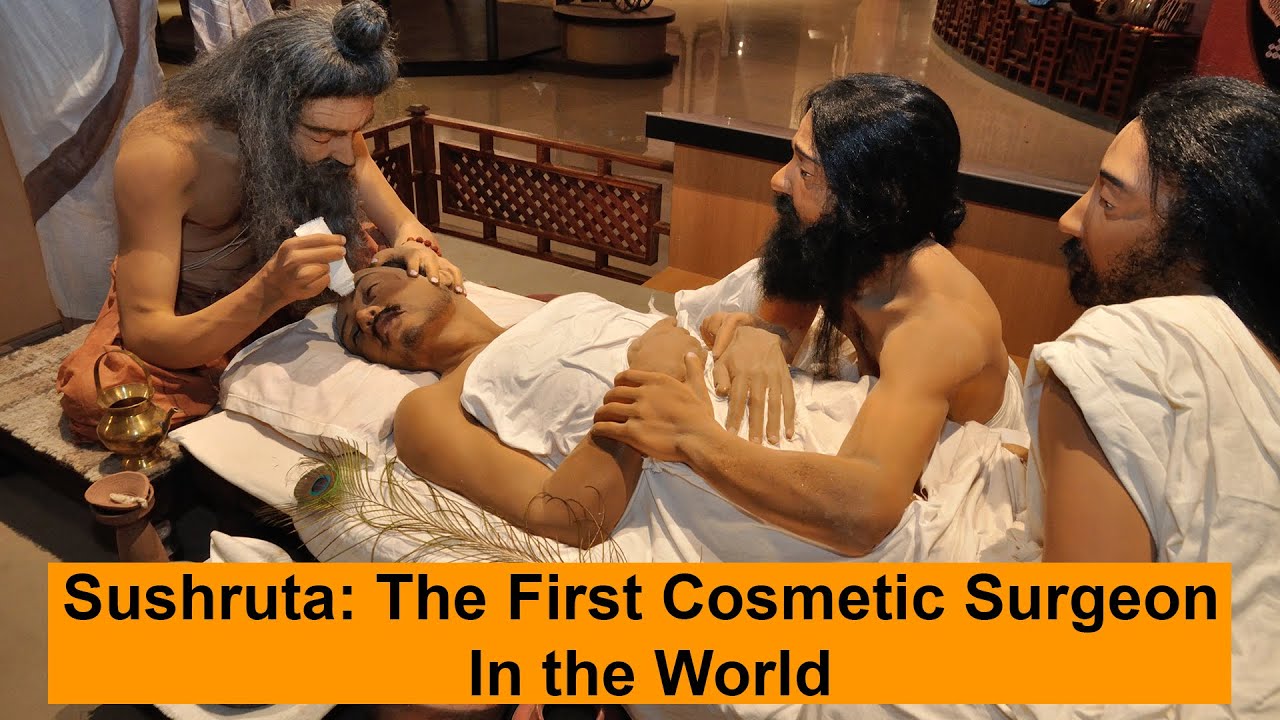

Plastic surgery, often perceived as a modern medical marvel, has roots that stretch back thousands of years. The practice of reconstructing and repairing the human body is not a novel concept; it has been a part of human history since ancient times.
Early Beginnings in Ancient Civilizations
The earliest records of plastic surgery date back to ancient Egypt, around 3000 BC. The Egyptians were pioneers in medical practices, and their contributions to plastic surgery were no exception. They developed rudimentary techniques to repair facial injuries, particularly those affecting the nose. The Edwin Smith Papyrus, an ancient Egyptian medical text, contains references to surgical procedures that resemble modern reconstructive techniques.
In ancient India, around 600 BC, the practice of plastic surgery was notably advanced. The Indian physician Sushruta, often regarded as the "Father of Surgery," authored the Sushruta Samhita, a comprehensive medical text that included detailed descriptions of surgical procedures. Sushruta's work outlined techniques for rhinoplasty (nose reconstruction), ear lobe repair, and other reconstructive surgeries. His methods involved the use of skin grafts, a technique that remains fundamental in modern plastic surgery.
Techniques and Innovations
Ancient plastic surgery techniques were surprisingly sophisticated, given the limited resources and knowledge of the time. Some of the notable techniques included:
- Rhinoplasty: In ancient India, rhinoplasty was performed using a method known as the "forehead flap." This involved using a piece of skin from the forehead to reconstruct the nose. The procedure was primarily used to address nasal injuries, which were common due to punishments that involved nose mutilation.
- Skin Grafting: Sushruta's text describes the use of skin grafts to repair damaged skin. This technique involved taking a piece of skin from one part of the body and transplanting it to another area. The concept of skin grafting laid the foundation for modern reconstructive surgery.
- Otoplasty: The repair of torn earlobes was another procedure practiced in ancient India. This was often necessary due to the cultural practice of wearing heavy earrings, which could cause the earlobes to tear.
- Scar Revision: Ancient Egyptian texts also mention techniques for reducing the appearance of scars. These methods were rudimentary but demonstrated an early understanding of cosmetic enhancement.
Cultural and Social Context
Plastic surgery in ancient times was not merely a medical practice; it held significant cultural and social implications. In many ancient societies, physical appearance was closely linked to social status and identity. As a result, reconstructive surgery was often sought to restore one's social standing or to conform to cultural ideals of beauty.
In ancient India, for example, the practice of rhinoplasty was not only a medical necessity but also a means of social rehabilitation. Individuals who had suffered nasal mutilation as a form of punishment could undergo surgery to regain their dignity and social acceptance.
Similarly, in ancient Egypt, the emphasis on physical appearance was evident in their art and culture. The Egyptians believed in the afterlife, and preserving the body was crucial for the journey to the next world. This belief extended to surgical practices aimed at maintaining or restoring the body's integrity.
Challenges and Limitations
Despite the remarkable advancements in ancient plastic surgery, practitioners faced numerous challenges and limitations. The lack of anesthesia and antiseptics made surgical procedures painful and risky. Infections were common, and the success of surgeries often depended on the skill and experience of the surgeon.
Moreover, the understanding of human anatomy was limited, which constrained the complexity of procedures that could be performed. Ancient surgeons relied heavily on trial and error, and their knowledge was passed down through generations, often orally or through manuscripts.
Legacy and Influence
The legacy of ancient plastic surgery is evident in the continued evolution of surgical techniques and the enduring quest for aesthetic and reconstructive solutions. The foundational principles established by early practitioners like Sushruta have influenced modern plastic surgery, which has become a sophisticated and highly specialized field.
Today, plastic surgery encompasses a wide range of procedures, from cosmetic enhancements to life-saving reconstructive surgeries. The ancient practices serve as a testament to human ingenuity and the timeless desire to heal and enhance the human form.