Testing for Ovulation

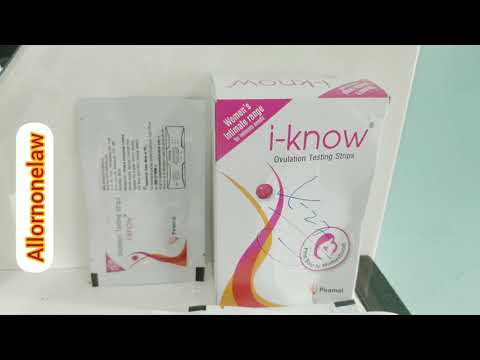
Easiest way to confirm ovulation

Ovulation testing is a crucial aspect of fertility awareness, helping individuals and couples understand the timing of ovulation to either achieve or avoid pregnancy. This process involves identifying the fertile window in a woman's menstrual cycle when she is most likely to conceive.
What is Ovulation?
Ovulation is the phase in the menstrual cycle when a mature egg is released from the ovary. This typically occurs once in every menstrual cycle, around the midpoint, although the exact timing can vary from person to person. The egg then travels down the fallopian tube, where it can be fertilized by sperm. The fertile window, which is the best time for conception, includes the day of ovulation and the five days preceding it.
Why Test for Ovulation?
Testing for ovulation can serve several purposes:
- Conception Planning: For those trying to conceive, knowing when ovulation occurs can help time intercourse to increase the chances of pregnancy.
- Natural Family Planning: For those avoiding pregnancy, understanding the ovulation cycle can help in planning abstinence or using barrier methods during the fertile window.
- Health Monitoring: Irregular ovulation can be a sign of underlying health issues, such as polycystic ovary syndrome (PCOS) or thyroid disorders. Regular ovulation testing can help in diagnosing these conditions.
Methods of Ovulation Testing
There are several methods available for testing ovulation, each with its own advantages and limitations:
1. Ovulation Predictor Kits (OPKs)
OPKs are one of the most popular methods for detecting ovulation. These kits work by detecting the surge in luteinizing hormone (LH) that occurs 24-36 hours before ovulation.
- How to Use: Typically, you start testing a few days before the expected ovulation date. The test involves urinating on a test strip or dipping it into a urine sample.
- Pros: Easy to use and widely available.
- Cons: Can be expensive over time and may not work well for women with irregular cycles or certain medical conditions.
2. Basal Body Temperature (BBT) Charting
BBT charting involves tracking your body's resting temperature daily. A slight increase in BBT can indicate that ovulation has occurred.
- How to Use: Take your temperature every morning before getting out of bed and record it on a chart.
- Pros: Inexpensive and provides a clear pattern over time.
- Cons: Requires daily commitment and only indicates ovulation after it has occurred.
3. Cervical Mucus Monitoring
Changes in cervical mucus can signal approaching ovulation. As ovulation nears, cervical mucus becomes clear, stretchy, and similar to egg whites.
- How to Use: Check the consistency of cervical mucus daily and record changes.
- Pros: No cost involved and can be used in conjunction with other methods.
- Cons: Requires familiarity with your body and can be affected by infections or medications.
4. Saliva Ferning Tests
Saliva ferning tests involve examining dried saliva under a microscope. A fern-like pattern can indicate high estrogen levels, which occur around ovulation.
- How to Use: Place a drop of saliva on a slide, let it dry, and examine it with a microscope.
- Pros: Reusable and non-invasive.
- Cons: Requires a microscope and practice to interpret results accurately.
Choosing the Right Method
The choice of ovulation testing method depends on individual preferences, lifestyle, and specific needs. Some may prefer the convenience of OPKs, while others might opt for the cost-effectiveness of BBT charting. Combining methods can also provide a more comprehensive understanding of the ovulation cycle.