Java apple / Semarang rose-apple
[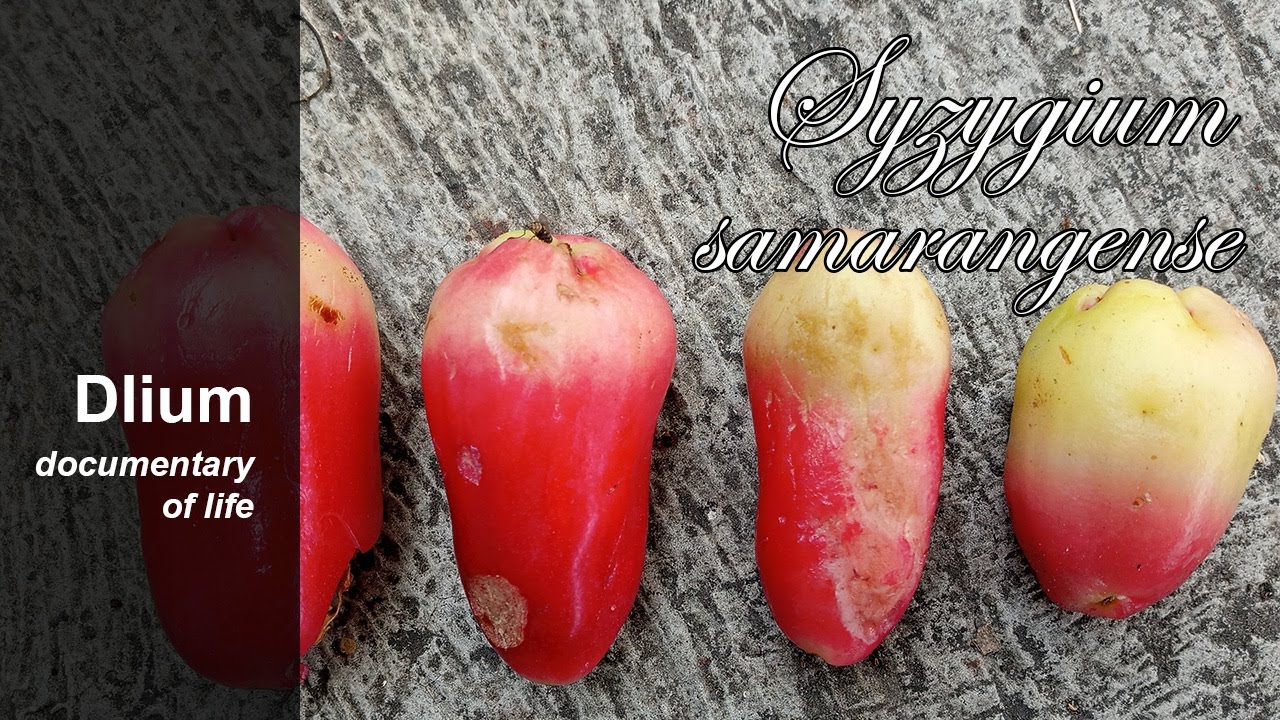 ]
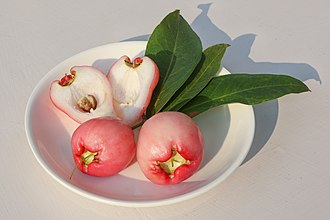
Syzygium samarangense, commonly known as the wax apple, Java apple, or bell fruit, is a tropical fruit tree belonging to the Myrtaceae family. This tree is native to the Malay Peninsula, the Andaman and Nicobar Islands, and the Greater Sunda Islands but has been widely cultivated in various tropical and subtropical regions around the world. The fruit is known for its crisp texture, refreshing taste, and unique bell-like shape.
Botanical Characteristics
Tree Description
Syzygium samarangense is an evergreen tree that can grow up to 12 meters (approximately 40 feet) in height. The tree has a dense, spreading canopy with glossy, dark green leaves that are elliptic to oblong in shape. The leaves are aromatic when crushed, releasing a pleasant fragrance.
Flowers
The tree produces clusters of white to pale green flowers that are about 2.5 cm (1 inch) in diameter. These flowers are fragrant and attract various pollinators, including bees and butterflies. The flowering period typically occurs in the spring and summer months.
Fruit
The fruit of Syzygium samarangense is bell-shaped, with a waxy, smooth skin that can range in color from pale green to deep red, depending on the variety. The flesh is white, crisp, and juicy, with a mildly sweet flavor. Each fruit contains one to two small seeds, although some varieties are seedless.
Cultivation and Propagation
Climate and Soil Requirements
Syzygium samarangense thrives in tropical and subtropical climates with temperatures ranging from 25°C to 35°C (77°F to 95°F). The tree prefers well-drained, loamy soils with a pH range of 5.5 to 7.5. It requires full sun exposure for optimal growth and fruit production.
Propagation Methods
The tree can be propagated through seeds, cuttings, or air layering. Seed propagation is less common due to the variability in fruit quality. Vegetative propagation methods, such as cuttings and air layering, are preferred to ensure the consistency of fruit characteristics.
Planting and Care
When planting Syzygium samarangense, it is essential to space the trees adequately to allow for proper air circulation and sunlight penetration. Regular watering is crucial, especially during the dry season, to maintain soil moisture. Mulching around the base of the tree can help retain soil moisture and suppress weed growth. Pruning is necessary to shape the tree and remove any dead or diseased branches.
Nutritional and Health Benefits
Syzygium samarangense is not only a delicious fruit but also offers several nutritional and health benefits. The fruit is low in calories and rich in vitamins and minerals, including vitamin C, vitamin A, calcium, and potassium. It also contains dietary fiber, which aids in digestion and promotes a healthy gut.
Antioxidant Properties
The fruit is a good source of antioxidants, which help protect the body against oxidative stress and reduce the risk of chronic diseases such as heart disease and cancer. The presence of flavonoids and phenolic compounds contributes to its antioxidant activity.
Hydration and Weight Management
Due to its high water content, Syzygium samarangense is an excellent fruit for hydration, especially in hot climates. Its low-calorie content makes it a suitable option for those looking to manage their weight.
Culinary Uses
Syzygium samarangense can be enjoyed fresh or used in various culinary applications. The fruit is often eaten raw, either on its own or in fruit salads. It can also be used to make juices, jams, and jellies. In some cultures, the fruit is pickled or cooked in savory dishes.
Recipes
- Fresh Wax Apple Salad: Combine sliced wax apples with other tropical fruits such as mango, pineapple, and papaya. Drizzle with lime juice and sprinkle with a pinch of salt and chili powder for a refreshing and tangy salad.
- Wax Apple Juice: Blend fresh wax apples with a bit of water and a touch of honey for a hydrating and nutritious drink.
- Pickled Wax Apple: Slice the fruit and soak it in a mixture of vinegar, sugar, and salt. Allow it to marinate for a few days before enjoying it as a tangy side dish.