Cuban Copperleaf
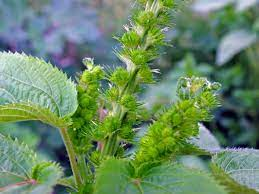
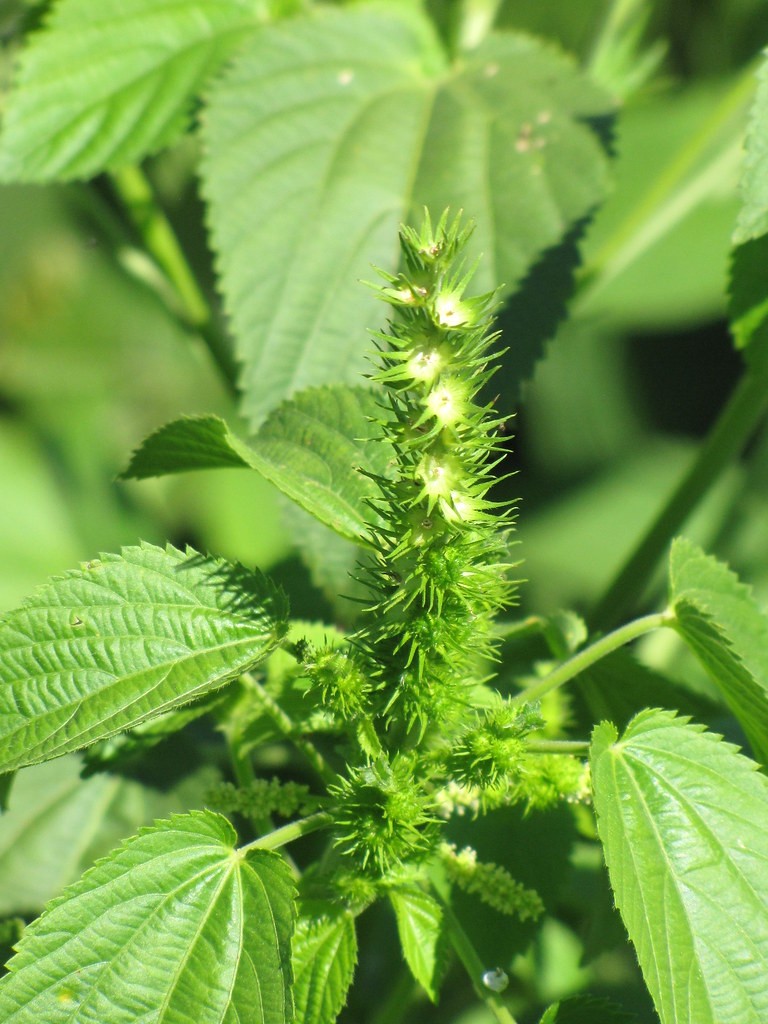
The Cuban Copperleaf, scientifically known as Acalypha setosa, is a plant species belonging to the Euphorbiaceae family. This plant is native to tropical regions and is known for its distinctive foliage and ornamental value.
Botanical Characteristics
The Cuban Copperleaf is a perennial shrub that can grow up to 1.5 meters in height. It is characterized by its vibrant, copper-colored leaves, which are the primary reason for its ornamental appeal. The leaves are typically ovate to lanceolate in shape, with serrated edges and a slightly hairy texture. The plant produces small, inconspicuous flowers that are usually greenish or reddish in color. These flowers are arranged in axillary spikes, adding to the plant's unique appearance.
Key Features
- Height: Up to 1.5 meters
- Leaves: Copper-colored, ovate to lanceolate, serrated edges
- Flowers: Small, greenish or reddish, axillary spikes
- Texture: Slightly hairy
Habitat and Distribution
The Cuban Copperleaf thrives in tropical and subtropical climates. It is commonly found in regions with high humidity and ample rainfall. The plant prefers well-drained soils and can often be seen growing in open fields, along roadsides, and in disturbed areas. While it is native to the Caribbean, particularly Cuba, it has also been introduced to other tropical regions around the world.
Preferred Conditions
- Climate: Tropical and subtropical
- Soil: Well-drained
- Light: Full sun to partial shade
- Water: High humidity and ample rainfall
Cultivation and Care
Cultivating the Cuban Copperleaf is relatively straightforward, making it a popular choice for gardeners and landscapers. Here are some essential tips for growing and maintaining this plant:
Planting
- Soil Preparation: Ensure the soil is well-drained and rich in organic matter.
- Planting Depth: Plant the seeds or cuttings at a shallow depth, just enough to cover the roots.
- Spacing: Space the plants about 30-45 cm apart to allow for adequate growth.
Watering
- Water the plant regularly, especially during dry periods. However, avoid waterlogging, as this can lead to root rot.
Fertilization
- Apply a balanced, slow-release fertilizer during the growing season to promote healthy growth.
Pruning
- Prune the plant regularly to maintain its shape and encourage bushier growth. Remove any dead or damaged leaves to keep the plant healthy.
Uses and Benefits
The Cuban Copperleaf is primarily grown for its ornamental value. Its striking foliage makes it an excellent choice for garden borders, hedges, and container planting. Additionally, the plant has some traditional medicinal uses, although these are not widely documented.
Ornamental Uses
- Garden Borders: The plant's vibrant leaves add color and texture to garden borders.
- Hedges: It can be used to create attractive, low-maintenance hedges.
- Containers: Ideal for container planting, adding a tropical touch to patios and balconies.
Medicinal Uses
- While not extensively documented, some traditional uses include treatments for skin conditions and minor wounds.
Potential Issues
Like any plant, the Cuban Copperleaf can be susceptible to certain pests and diseases. Common issues include:
- Pests: Aphids, spider mites, and whiteflies can infest the plant.
- Diseases: Fungal infections such as powdery mildew and root rot can occur, especially in poorly drained soils.
Prevention and Treatment
- Pests: Regularly inspect the plant and use insecticidal soap or neem oil to control infestations.
- Diseases: Ensure proper watering practices and good air circulation to prevent fungal infections.