Prairie Dropseed
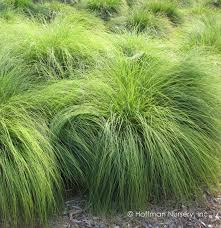

Prairie Dropseed, scientifically known as Sporobolus heterolepis, is a perennial warm-season grass native to North America. It is highly valued for its ornamental qualities and ecological benefits, making it a popular choice for gardeners and landscapers interested in native plantings and sustainable landscapes.
DESCRIPTION
Prairie Dropseed is characterized by its fine-textured, arching foliage that forms a dense, fountain-like clump. The leaves are narrow, green, and can reach up to 2 feet in length. In the fall, the foliage turns a striking golden-orange color, adding seasonal interest to gardens. The plant produces delicate, airy flower panicles that rise above the foliage in late summer, typically reaching heights of 3 feet. These panicles are composed of tiny, fragrant flowers that emit a subtle, coriander-like scent.
Habitat and Distribution
This grass species is native to the prairies and open woodlands of the central United States and parts of Canada. It thrives in well-drained soils and is commonly found in dry, rocky, or sandy environments. Prairie Dropseed is well-adapted to a range of soil types, including clay, loam, and sandy soils, and it can tolerate drought conditions once established.
Ecological Benefits
Prairie Dropseed plays a significant role in native ecosystems. It provides habitat and food for various wildlife species, including birds and insects. The seeds are a food source for birds, while the dense foliage offers shelter for small mammals and insects. Additionally, its deep root system helps prevent soil erosion and improves soil health by enhancing water infiltration and nutrient cycling.
Cultivation and Care
Prairie Dropseed is relatively low-maintenance, making it an excellent choice for gardeners seeking a resilient and attractive plant. Here are some tips for successful cultivation:
- Planting: It is best planted in full sun to partial shade. Ensure the soil is well-drained to prevent root rot.
- Watering: While drought-tolerant, regular watering during the establishment phase will promote healthy growth.
- Pruning: Minimal pruning is required. Remove dead foliage in early spring to encourage new growth.
- Fertilization: Generally, Prairie Dropseed does not require fertilization. However, a light application of a balanced fertilizer in early spring can boost growth.
Landscape Uses
Prairie Dropseed is a versatile plant that can be used in various landscape settings:
- Ornamental Grass Borders: Its fine texture and graceful form make it an excellent choice for borders and mass plantings.
- Meadow Gardens: It can be incorporated into meadow gardens for a naturalistic look.
- Erosion Control: Its deep roots make it suitable for stabilizing slopes and preventing erosion.
- Wildlife Gardens: Attracts birds and beneficial insects, enhancing biodiversity.
Challenges and Considerations
While Prairie Dropseed is generally easy to grow, there are a few considerations to keep in mind:
- Slow Establishment: It may take a few years to reach its full size and flowering potential.
- Seed Dispersal: The seeds can self-sow, potentially leading to unwanted spread in certain areas.
- Limited Shade Tolerance: It performs best in sunny locations and may not thrive in heavily shaded areas.