Ativan (Lorazepam)
(works on the GABA receptors)

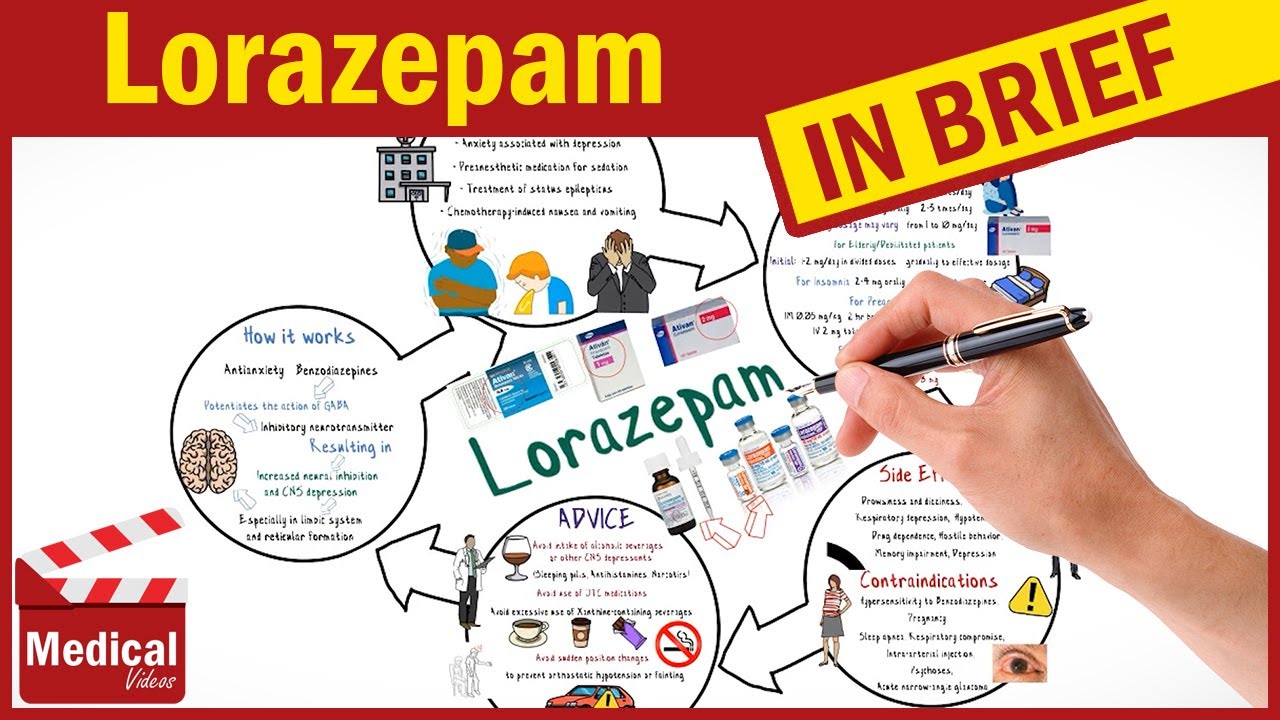
Understanding Ativan (Lorazepam)
Ativan, known generically as Lorazepam, is a medication that belongs to the benzodiazepine class of drugs. It is primarily used to treat anxiety disorders, but it also has applications in managing insomnia, seizures, and other conditions. This note provides an overview of Ativan, its uses, mechanisms, side effects, and important considerations for its use.
Uses of Ativan
Ativan is prescribed for several medical conditions, including:
- Anxiety Disorders: Ativan is commonly used to manage anxiety symptoms, providing relief from excessive worry and tension.
- Insomnia: Due to its sedative properties, Ativan can be used short-term to help with sleep disturbances.
- Seizure Disorders: It is sometimes used as an adjunctive therapy for seizure management.
- Preoperative Sedation: Ativan is used to calm patients before surgery or medical procedures.
- Alcohol Withdrawal: It can help alleviate symptoms associated with alcohol withdrawal.
Mechanism of Action
Ativan works by enhancing the effects of a neurotransmitter called gamma-aminobutyric acid (GABA) in the brain. GABA is an inhibitory neurotransmitter that reduces neuronal excitability, leading to a calming effect on the nervous system. By increasing GABA activity, Ativan helps to decrease anxiety, induce sleep, and relax muscles.
Dosage and Administration
Ativan is available in various forms, including tablets, oral solutions, and injectable forms. The dosage of Ativan varies depending on the condition being treated, the patient's age, and their response to the medication. It is crucial to follow a healthcare provider's instructions when taking Ativan to avoid potential misuse or dependency.
Side Effects
Like all medications, Ativan can cause side effects. Common side effects include:
- Drowsiness: This is the most common side effect and can affect daily activities.
- Dizziness: Patients may experience lightheadedness or a spinning sensation.
- Weakness: Some individuals may feel physically weak or fatigued.
- Confusion: Cognitive effects such as confusion or memory problems can occur.
- Nausea: Gastrointestinal discomfort is possible.
In rare cases, Ativan can cause more severe side effects, such as respiratory depression, especially when combined with other central nervous system depressants like alcohol or opioids.
Precautions and Warnings
There are several important considerations when using Ativan:
- Dependency and Withdrawal: Long-term use of Ativan can lead to physical dependence. Abrupt discontinuation can result in withdrawal symptoms, so it is essential to taper off the medication under medical supervision.
- Interactions: Ativan can interact with other medications, including antidepressants, anticonvulsants, and antihistamines. It is important to inform healthcare providers of all medications being taken.
- Pregnancy and Breastfeeding: Ativan is not recommended during pregnancy or breastfeeding due to potential risks to the fetus or infant.
- Elderly Patients: Older adults may be more sensitive to the effects of Ativan, requiring careful monitoring and dosage adjustments.
Alternatives to Ativan
For those who may not be suitable candidates for Ativan, there are alternative treatments for anxiety and related conditions:
- Other Benzodiazepines: Medications like Diazepam (Valium) or Alprazolam (Xanax) may be considered.
- Non-Benzodiazepine Anxiolytics: Buspirone is an example of a non-benzodiazepine medication used to treat anxiety.
- Antidepressants: Selective serotonin reuptake inhibitors (SSRIs) and serotonin-norepinephrine reuptake inhibitors (SNRIs) are often used for long-term anxiety management.
- Therapy: Cognitive-behavioral therapy (CBT) and other forms of psychotherapy can be effective in treating anxiety disorders.
Interactions
Interactions of Valeriana officinanlis and Passiflora incarnata in patient treated with lorazepam
Natural Alternatives
Anxiolytic activity of a standardized extract of *Bacopa monniera*: an experimental study This study found it as effective in lowering anxiety as the drug lorazepam.