Lobotomy
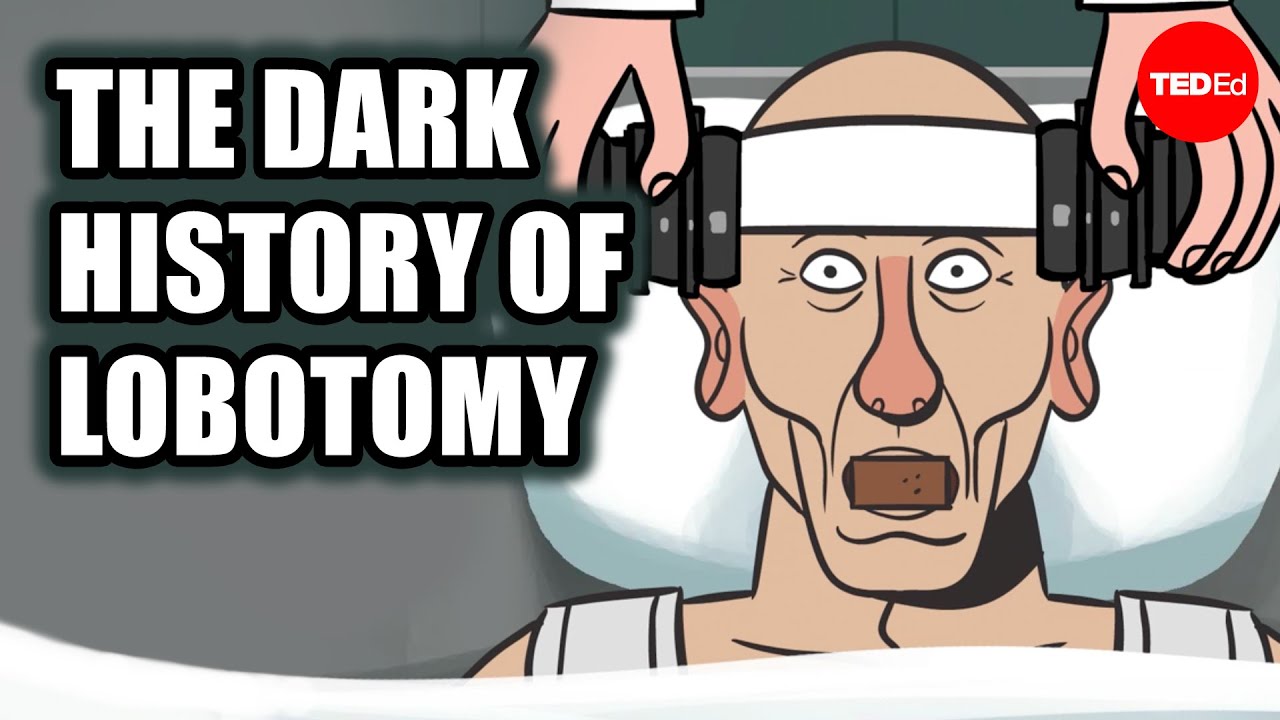
Lobotomy, a controversial neurosurgical procedure, has a complex and often troubling history. It was once hailed as a groundbreaking treatment for severe mental illnesses but later became a symbol of medical hubris and ethical missteps.
Origins and Development
The concept of lobotomy can be traced back to the early 20th century. The procedure involves severing connections in the brain's prefrontal cortex, which was believed to alleviate symptoms of mental disorders. The first lobotomy was performed in 1935 by Portuguese neurologist António Egas Moniz, who was inspired by earlier animal studies that suggested behavioral changes could be induced by altering brain structures.
Moniz's initial procedure, known as a "leucotomy," involved drilling holes in the skull and injecting alcohol to destroy brain tissue. He later refined the technique using a wire loop to cut brain fibers. Moniz's work earned him the Nobel Prize in Physiology or Medicine in 1949, despite the procedure's controversial nature.
Rise to Popularity
Lobotomy gained popularity in the United States in the 1940s and 1950s, largely due to the efforts of American neurologist Walter Freeman. Freeman, along with neurosurgeon James W. Watts, developed the "Freeman-Watts standard procedure," which involved drilling holes in the skull to access the brain. Freeman later introduced the transorbital lobotomy, or "ice pick" lobotomy, which was less invasive and could be performed quickly without a neurosurgeon.
Freeman's charismatic advocacy and the lack of effective treatments for severe mental illnesses at the time contributed to the widespread adoption of lobotomy. It was seen as a last resort for patients with conditions such as schizophrenia, severe depression, and bipolar disorder, who were often institutionalized with little hope of recovery.
Ethical Concerns and Decline
Despite its initial popularity, lobotomy soon became the subject of intense ethical scrutiny. Critics argued that the procedure was often performed without proper consent and that its effects were unpredictable and frequently devastating. Many patients experienced significant personality changes, cognitive impairments, and a loss of emotional depth, leading to a diminished quality of life.
The decline of lobotomy began in the late 1950s with the advent of antipsychotic medications, which offered a less invasive and more effective treatment for mental illnesses. The procedure's reputation was further tarnished by high-profile cases, such as that of Rosemary Kennedy, sister of President John F. Kennedy, who was left permanently incapacitated after a lobotomy.
By the 1970s, lobotomy had largely fallen out of favor, and it is now considered an obsolete and unethical practice. The procedure's history serves as a cautionary tale about the dangers of medical interventions that prioritize expediency over patient welfare and informed consent.
Impact on Psychiatry and Neuroscience
The legacy of lobotomy has had a lasting impact on the fields of psychiatry and neuroscience. It highlighted the need for rigorous scientific evaluation of new treatments and underscored the importance of ethical standards in medical practice. The procedure also spurred interest in understanding the brain's role in mental illness, paving the way for advances in neuroimaging and psychopharmacology.
In recent years, there has been a renewed interest in neurosurgical interventions for psychiatric disorders, such as deep brain stimulation (DBS) and transcranial magnetic stimulation (TMS). These techniques are more precise and reversible than lobotomy, and they are subject to strict ethical guidelines and clinical trials to ensure patient safety and efficacy.
Lessons Learned
The history of lobotomy offers several important lessons for modern medicine:
- Informed Consent: Patients must be fully informed about the risks and benefits of any medical procedure, and their autonomy must be respected.
- Ethical Standards: Medical interventions should be guided by ethical principles that prioritize patient welfare and dignity.
- Scientific Rigor: New treatments should be subjected to rigorous scientific evaluation to ensure their safety and effectiveness.
- Holistic Care: Mental health treatment should consider the whole person, including their psychological, social, and biological needs.