Red Currant
See also: Ribes (genus)
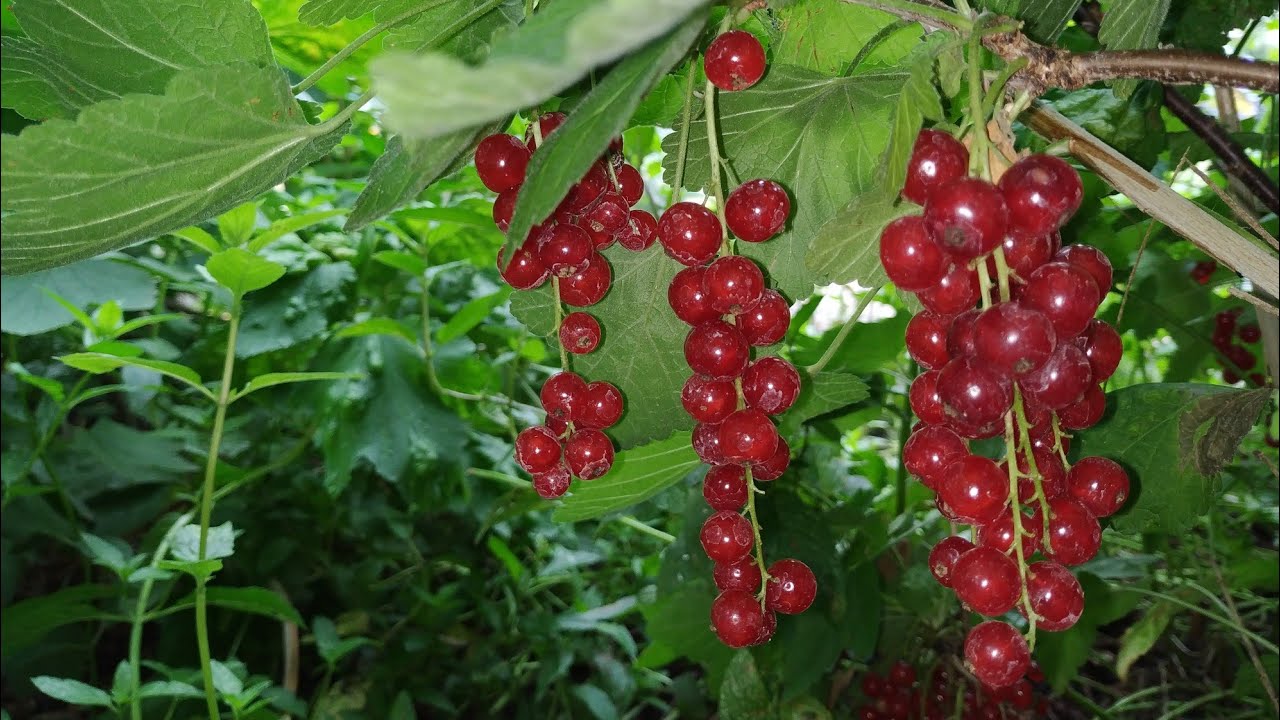

Medicinal Parts: fruit and leaves
Constituents
Fruit acids; chief fruit acid is citric acid; other acids include malic acid, isocitric acid and tartartic acid
Monosaccharides/polysaccharides (7%); D-glucose, D-fructose
Pectins (15%)
Fatty oil (found in the seeds 20%) with gamma-linolenic acid (6%)
Ascorbic acid (vitamin C, 0.005 to 0.015%)
Caffeic acid-derivatives; including caffeoyl glucose, p-cumaric acid-O- glucoside
Effects
Red Currant is a source of vitamin C and exhibits in vitro radical scavenger qualities. The fruit and juice are considered cooling and antiscorbutic and have often been used as a febrifuge. The jelly prepared from the berries has an antiseptic effect and was often used to treat burns to prevent formation of blisters. The leaves are said to have emmenagogic properties.
Uses
Black Currants get more attention for their high polyphenol content, but due to mounting research, Red Currants are poised to become a medicinal food for diabetes. A European native, the Red Currant is a shrub in the gooseberry family that grows at most to about 5 feet tall, developing racemes of bright red translucent berries. There are several other Currant species that are closely related, as well as gooseberries, which are found in the Red Currant native range. Currants are known to be very high in the health-promoting phenolic compounds, with Black Currant having the highest content, but Red Currant has been found to be highest in Chlorogenic acid, which is a phytochemical known to help lower blood sugar and increase energy. The Red Currant has a sweet tart flavor and is often consumed raw, as garnishes, cooked in pies or other desserts, as syrup, jams or in beverages.
The Red Currant berries have long been used in herbal medicine and are known as a source of vitamin C (anti-scurvy), and to aid digestion and cool the body. As a single serving of Red Currants contains 77% of the daily recommended amount of Vitamin C, they are thought to help the immune system, as well as having benefits internally and topically to the skin and hair. For this reason and also the high amounts of antioxidants, Red Currant is included in skin care products for skin firming and protection. The leaves of the Red Currant have been used in Russian traditional medicine as an herbal tea or decoction but contain the toxin hydrogen cyanide, which can be dangerous in large amounts. The leaves have also been used as a poultice for pains and strains. Through scientific investigation, Red Currants have been found to have antioxidant phenolic activity, but also highest alpha-glucosidase, alpha-amylase and ACE inhibitory activity compared to Black Currants, Red and Green Gooseberries; therefore, researchers concluded that they showed potential as a functional food with antidiabetes and antihypertension activity for people with early stages of type 2 diabetes. (Source)
Physio-Medical Therapeutics, Materia Medica and Pharmacy BY T. J. LYLE, A.M.M. 1897
This fruit forms an acidulated drink admirable in convalescence, especially from fevers. It is an appetizer and assists digestion. The root is a stimulating diaphoretic when used in hot infusion, and is very valuable says Dr. Bryson when the eruption of measles is very tardy. An infusion of the leaves and branches produces nearly as good results as a stimulating diaphoretic.
Articles/Studies
Antioxidant
- Extractability of polyphenols from black currant, red currant and gooseberry and their antioxidant activity.
- Polyphenols, anthocyanins, ascorbic acid, and radical scavenging activity of Rubus, Ribes, and Aronia
- Activity of Polyphenolic Crude Extracts as Scavangers of Superoxide Radicals and Inhibitors of Xanthine Oxidase - In view of the pharmacological interest in phenolic substances, we have determined the total amount of anthocyanins and polyphenols present in the berries of several cultivars of Ribes, Rubus, and Vaccinium genera. The in vitro antiradical activity of the crude extracts on chemically-generated superoxide radicals as well as the inhibitory activity towards the enzyme xanthine oxidase were studied. All the crude extracts examined showed a remarkably high activity towards chemically-generated superoxide radicals. The activities were greater than those expected on the basis of the quantities of anthocyanins and polyphenols present in the samples. Furthermore, the extracts showed a certain inhibitory activity towards xanthine oxidase. Ribes nigrum extracts exhibit the highest activity, being the richest in both anthocyanins and polyphenols. On the other hand, Ribes rubrum extracts seem to contain more active substances than the other crude extracts.
Diabetes
Oral Health
Antimicrobial Effect of Natural Berry Juices on Common Oral Pathogenic Bacteria.