Loiasis
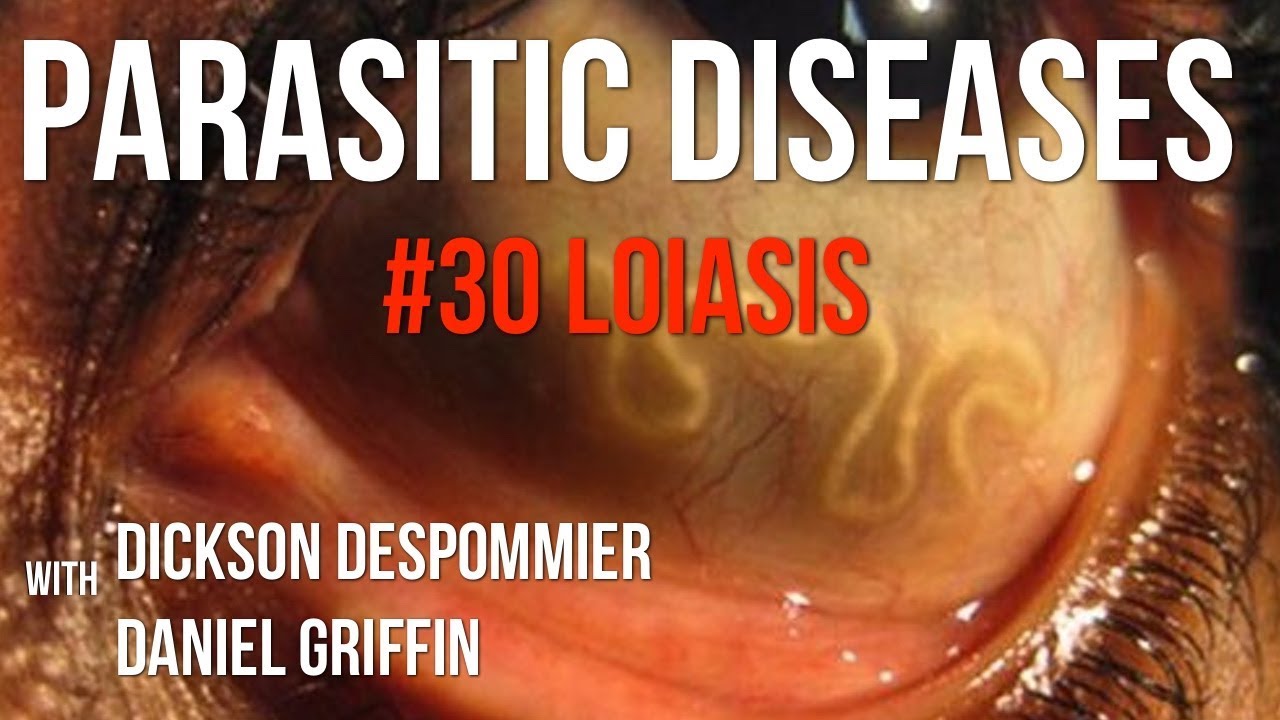
Loiasis, also known as African eye worm, is a parasitic infection caused by the filarial nematode Loa loa. This disease is primarily found in the rainforests of West and Central Africa, where the vector, the deer fly (Chrysops species), thrives. The infection is characterized by the migration of adult worms through subcutaneous tissues and across the eye, leading to various symptoms and complications.
Transmission and Life Cycle
The life cycle of Loa loa involves two hosts: humans and the deer fly. Here is a brief overview of the transmission and life cycle:
- Infection of Deer Fly: The cycle begins when a deer fly bites an infected human, ingesting microfilariae (the larval stage of the worm) present in the blood.
- Development in Fly: Inside the fly, the microfilariae develop into infective larvae over a period of 10-12 days.
- Transmission to Humans: When the infected deer fly bites another human, it transmits the infective larvae into the person's bloodstream.
- Maturation in Humans: The larvae migrate to subcutaneous tissues, where they mature into adult worms over several months. Adult worms can live for up to 17 years.
- Microfilariae Production: Adult worms produce microfilariae, which circulate in the bloodstream, ready to be ingested by another deer fly, thus continuing the cycle.
Symptoms and Clinical Manifestations
Loiasis can present with a range of symptoms, which can be categorized into acute and chronic manifestations:
Acute Symptoms
- Calabar Swellings: These are localized, transient swellings that occur due to the movement of adult worms through subcutaneous tissues. They are often painful and itchy.
- Eye Worm: One of the most distinctive features of loiasis is the migration of adult worms across the eye, which can be seen under the conjunctiva. This can cause significant discomfort, redness, and irritation.
Chronic Symptoms
- Generalized Itching: Persistent itching is a common symptom in chronic cases.
- Joint Pain: Some individuals may experience joint pain and swelling.
- Fatigue: Chronic infection can lead to general fatigue and malaise.
Diagnosis
Diagnosing loiasis involves a combination of clinical evaluation and laboratory tests:
- Clinical Examination: Observation of Calabar swellings and the presence of worms in the eye can be indicative of loiasis.
- Blood Tests: Detection of microfilariae in blood samples, typically collected during the day when microfilariae are most active, is a key diagnostic method.
- Serological Tests: These tests can detect antibodies against Loa loa but are less specific and can cross-react with other filarial infections.
Treatment
Treatment of loiasis aims to eliminate the adult worms and microfilariae. The primary medications used include:
- Diethylcarbamazine (DEC): This is the drug of choice for treating loiasis. It is effective against both adult worms and microfilariae. However, it can cause severe side effects in individuals with high microfilarial loads, such as encephalopathy.
- Albendazole: This medication is sometimes used as an alternative or adjunct to DEC, particularly in cases where DEC is contraindicated.
Prevention
Preventing loiasis involves reducing exposure to the deer fly and implementing measures to control the vector population:
- Protective Clothing: Wearing long sleeves and pants can help reduce the risk of deer fly bites.
- Insect Repellents: Using insect repellents containing DEET can provide additional protection.
- Vector Control: Efforts to reduce the deer fly population through environmental management and insecticide use can help lower transmission rates.
Public Health Impact
Loiasis poses significant public health challenges in endemic regions. The disease can lead to considerable morbidity, affecting the quality of life and productivity of affected individuals. Additionally, the presence of loiasis can complicate the implementation of mass drug administration programs for other filarial diseases, such as onchocerciasis, due to the risk of severe adverse reactions.