MDPHP "Monkey Dust"
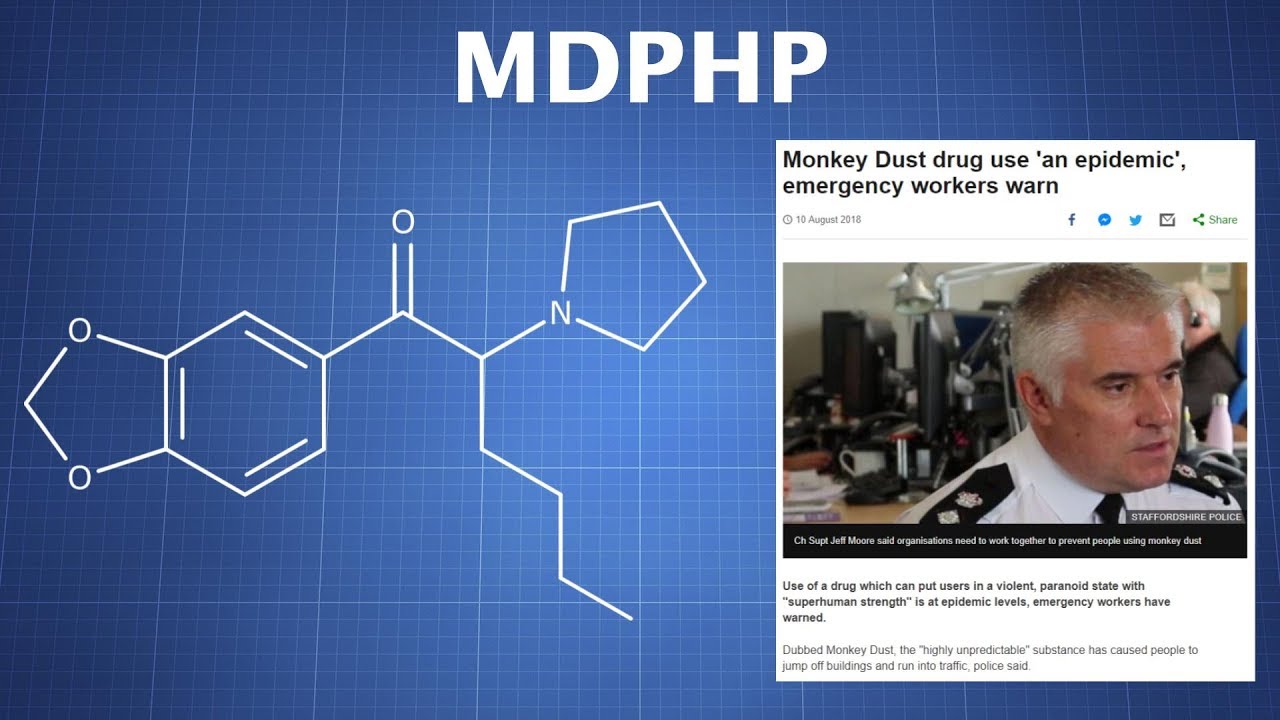

MDPHP (3',4'-Methylenedioxy-α-pyrrolidinohexiophenone) is a stimulant of the cathinone class originally developed in the 1960s, which has been reported as a novel designer drug. In the UK its slang name is monkey dust. It is closely related to the potent stimulant MDPV though with slightly milder effects, and has been used as an alternative in some countries following the banning of MDPV.
Understanding MDPHP "Monkey Dust"
MDPHP, commonly referred to as "Monkey Dust," is a synthetic cathinone, a class of drugs that are chemically similar to amphetamines and are often referred to as "bath salts." These substances are known for their stimulant effects, which can lead to severe psychological and physical consequences. MDPHP has gained notoriety due to its potent effects and the dangers associated with its use.
Chemical Composition and Mechanism
MDPHP stands for 3',4'-Methylenedioxy-α-pyrrolidinohexiophenone. It is a synthetic cathinone, which means it is a man-made substance designed to mimic the effects of the naturally occurring stimulant cathinone found in the khat plant. The chemical structure of MDPHP is similar to other synthetic cathinones, which are known to increase the levels of dopamine and norepinephrine in the brain. This increase leads to heightened alertness, euphoria, and increased energy, but also to potential adverse effects such as paranoia, hallucinations, and aggressive behavior.
Effects and Risks
The effects of MDPHP can vary significantly depending on the dose, the method of administration, and the individual using the drug. Common effects include:
- Euphoria and Increased Energy: Users often experience a sense of heightened well-being and increased physical and mental energy.
- Increased Heart Rate and Blood Pressure: As a stimulant, MDPHP can lead to cardiovascular issues, including increased heart rate and blood pressure.
- Paranoia and Hallucinations: High doses or prolonged use can lead to severe psychological effects, including paranoia, hallucinations, and delusions.
- Aggressive and Violent Behavior: There have been reports of users exhibiting aggressive and violent behavior, which can pose a danger to themselves and others.
- Addiction and Dependence: Like many stimulants, MDPHP has a high potential for addiction and dependence, leading to compulsive use despite negative consequences.
Legal Status
The legal status of MDPHP varies by country. In many places, it is classified as a controlled substance due to its potential for abuse and the health risks associated with its use. In the United States, for example, synthetic cathinones are classified as Schedule I substances under the Controlled Substances Act, meaning they are considered to have a high potential for abuse and no accepted medical use.
Health Implications
The use of MDPHP can lead to a range of health issues, both acute and chronic. Acute health effects can include:
- Cardiovascular Problems: Increased heart rate and blood pressure can lead to heart attacks, strokes, and other cardiovascular issues.
- Neurological Effects: Users may experience seizures, tremors, and other neurological symptoms.
- Psychiatric Symptoms: The drug can exacerbate existing mental health conditions or lead to new psychiatric symptoms, including anxiety, depression, and psychosis.
Chronic use of MDPHP can lead to long-term health problems, including:
- Cognitive Impairment: Prolonged use can lead to memory problems, difficulty concentrating, and other cognitive deficits.
- Physical Health Decline: Chronic use can lead to weight loss, malnutrition, and other physical health issues.
- Social and Occupational Problems: Addiction can lead to problems in personal relationships, employment, and other areas of life.
Treatment and Support
For individuals struggling with MDPHP addiction, treatment options are available. These may include:
- Detoxification: Medical supervision to manage withdrawal symptoms and ensure safety during the detox process.
- Behavioral Therapy: Cognitive-behavioral therapy (CBT) and other forms of therapy can help individuals understand and change their patterns of drug use.
- Support Groups: Groups such as Narcotics Anonymous provide peer support and encouragement for individuals in recovery.
- Medication: While there are no specific medications approved for the treatment of MDPHP addiction, medications may be used to manage symptoms of withdrawal and co-occurring mental health conditions.