Snoring
Old time remedy: Try drinking a glass of warm milk with a teaspoon of turmeric powder added to it before bed
VIDEOS:
Why do people snore?:

Women who snore and cardiac risk

Sleep better naturally, snoring and apnea
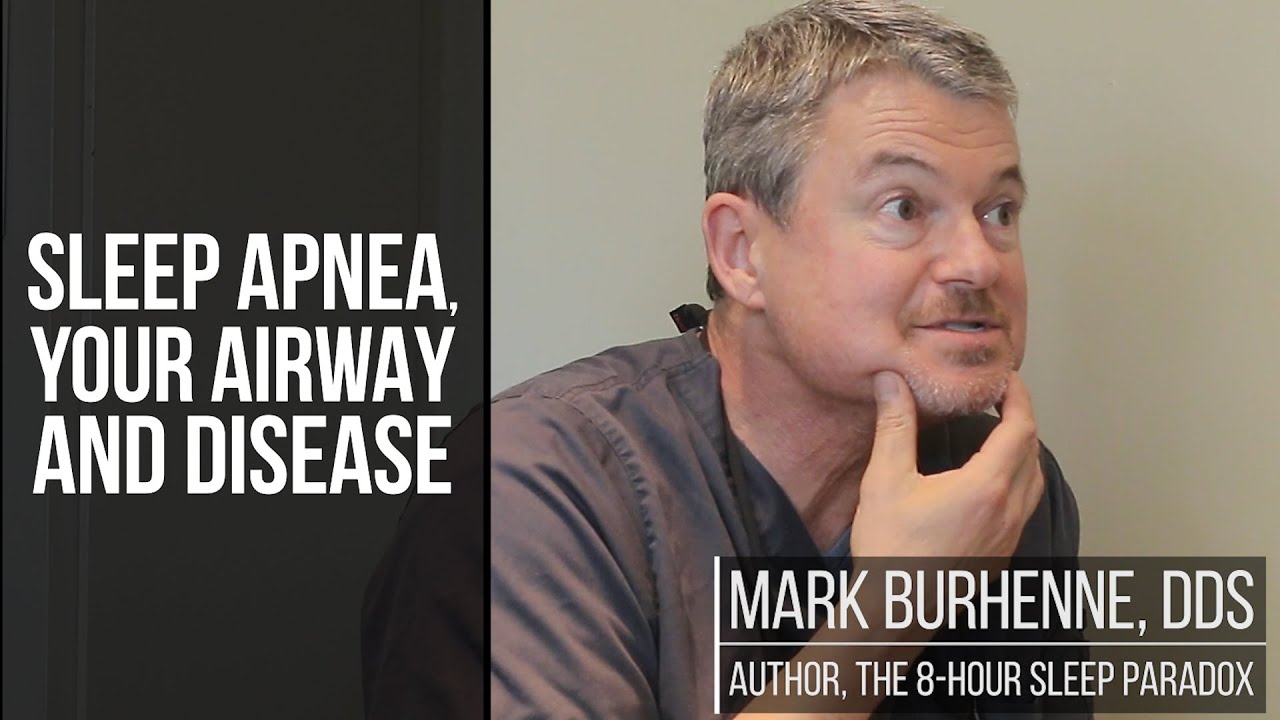
Stop Snoring Sleep Apnea Naturally
This SMART Pillow Stops Snoring
10 Side Effects of Snoring on Your Health
Snoring is a common condition that affects many individuals, often disrupting sleep for both the snorer and their partner. It occurs when airflow through the mouth and nose is partially obstructed during sleep, causing the surrounding tissues to vibrate and produce the familiar snoring sound. While snoring is often considered a minor annoyance, it can sometimes indicate more serious health issues.
Causes of Snoring
Several factors can contribute to snoring, including:
- Anatomy of the Mouth and Sinuses: A low, thick soft palate can narrow the airway. Overweight individuals may have extra tissues in the back of their throats that can narrow airways. Similarly, elongated uvula or enlarged tonsils can obstruct airflow.
- Alcohol Consumption: Alcohol relaxes the throat muscles, increasing the likelihood of snoring.
- Nasal Problems: Chronic nasal congestion or a deviated septum can contribute to snoring.
- Sleep Position: Sleeping on the back can cause the tongue to move to the back of the throat, partially blocking airflow.
- Sleep Deprivation: Not getting enough sleep can lead to throat relaxation, increasing the risk of snoring.
Health Implications
While snoring itself is not usually harmful, it can be a symptom of a more serious condition known as obstructive sleep apnea (OSA). OSA is characterized by repeated episodes of partial or complete blockage of the airway during sleep, leading to disrupted sleep and decreased oxygen levels in the blood. This condition can result in:
- Daytime Sleepiness: Poor sleep quality can lead to excessive daytime drowsiness, affecting concentration and increasing the risk of accidents.
- Heart Problems: OSA is associated with an increased risk of high blood pressure, heart attack, and stroke.
- Behavioral Issues: In children, snoring and sleep apnea can lead to behavioral problems and learning difficulties.
Diagnosis
If snoring is suspected to be linked to sleep apnea or is causing significant disruption, a medical evaluation may be necessary. Diagnosis typically involves:
- Medical History and Physical Exam: A doctor will review symptoms and examine the throat, mouth, and nose.
- Sleep Study: A polysomnography test may be conducted to monitor breathing patterns, oxygen levels, and heart rate during sleep.
Treatment Options
Treatment for snoring depends on the underlying cause and severity. Options include:
- Lifestyle Changes: Losing weight, avoiding alcohol before bedtime, and changing sleep positions can reduce snoring.
- Nasal Strips or External Nasal Dilators: These can help open nasal passages.
- Oral Appliances: Custom-fitted devices can help keep the airway open.
- Continuous Positive Airway Pressure (CPAP): This device delivers air pressure through a mask to keep airways open, commonly used for OSA.
- Surgery: In some cases, surgical procedures may be necessary to remove or reduce tissue in the throat or correct structural problems.
Prevention
Preventing snoring involves addressing lifestyle factors and maintaining good sleep hygiene:
- Maintain a Healthy Weight: Excess weight, especially around the neck, can increase the risk of snoring.
- Establish a Regular Sleep Routine: Going to bed and waking up at the same time each day can improve sleep quality.
- Sleep on Your Side: This position can help keep the airway open.
- Avoid Alcohol and Sedatives: These substances relax the muscles in the throat, increasing the likelihood of snoring.
Articles/Studies/Products
The Sleep Number 360 Smart Bed Stops Your Snores
Like a baby: The vicious cycle of childhood obesity and snoring (https://www.sciencedaily.com/releases/2017/11/171117152229.htm)