Pathophysiology - Fluid Distribution
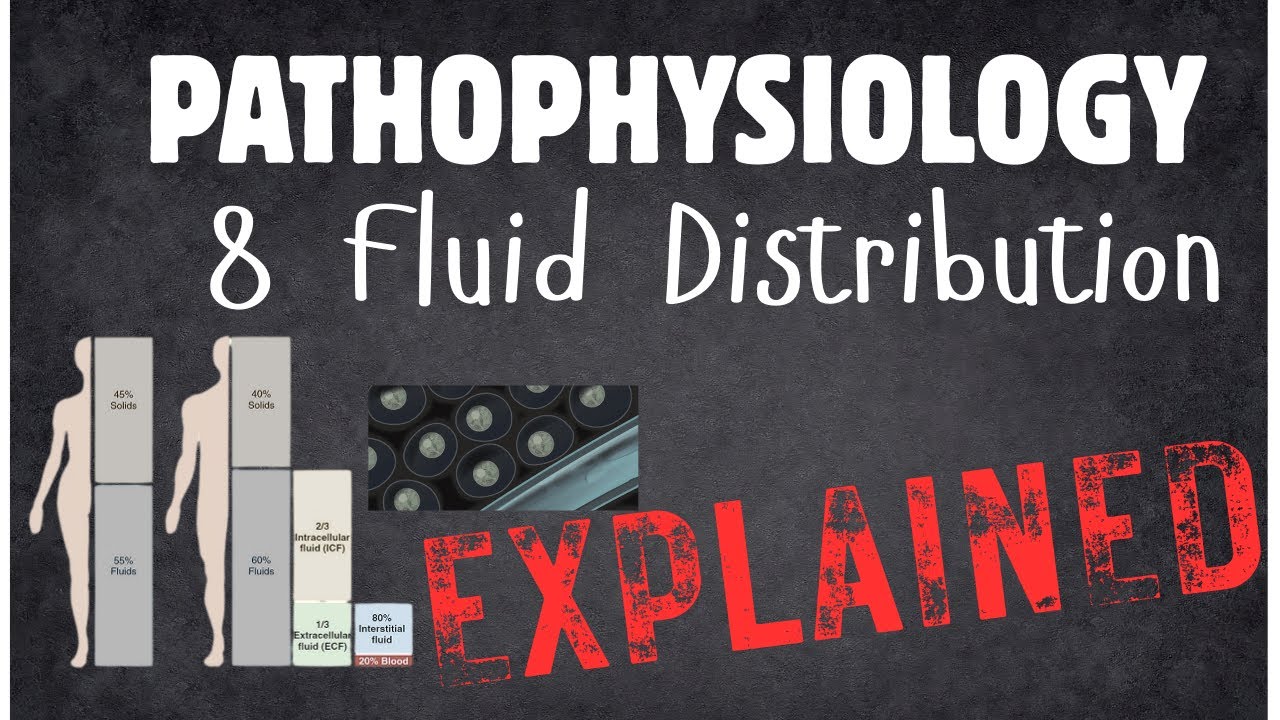
Fluid distribution within the human body is a critical aspect of pathophysiology, influencing various physiological and pathological processes. The human body is composed of approximately 60% water, which is distributed across different compartments.
Fluid Compartments
The body's fluid is divided into two main compartments:
- Intracellular Fluid (ICF):
* This compartment contains about two-thirds of the body's total water.
* It is the fluid found within cells and is crucial for maintaining cell structure and function.
* The ICF is rich in potassium, magnesium, and phosphate ions.
- Extracellular Fluid (ECF):
* This compartment accounts for the remaining one-third of the body's water.
* It is further divided into:
- Interstitial Fluid: Surrounds tissue cells and constitutes about 75% of the ECF.
- Plasma: The liquid component of blood, making up about 25% of the ECF.
* The ECF is rich in sodium, chloride, and bicarbonate ions.
Fluid Movement and Regulation
Fluid movement between compartments is governed by several factors:
- Osmosis:
- The movement of water across a semipermeable membrane from an area of low solute concentration to an area of high solute concentration.
- This process helps maintain equilibrium between the ICF and ECF.
- Hydrostatic Pressure:
- The force exerted by a fluid against a wall, causing fluid to move out of the capillaries into the interstitial space.
- It is primarily influenced by blood pressure.
- Oncotic Pressure:
- Also known as colloid osmotic pressure, it is the pull exerted by proteins, particularly albumin, in the blood plasma.
- It helps retain fluid within the vascular compartment.
- Active Transport:
- The movement of ions and molecules across cell membranes using energy, often against a concentration gradient.
- Sodium-potassium pumps are a classic example, maintaining the balance of sodium and potassium between the ICF and ECF.
Disorders of Fluid Distribution
Disruptions in normal fluid distribution can lead to various medical conditions:
- Edema:
- An excess accumulation of fluid in the interstitial space, often due to increased hydrostatic pressure, decreased oncotic pressure, or lymphatic obstruction.
- Common causes include heart failure, liver cirrhosis, and kidney disease.
- Dehydration:
- A deficit of water in the body, leading to reduced ECF and ICF volumes.
- Causes include excessive fluid loss (e.g., vomiting, diarrhea), inadequate fluid intake, or increased fluid requirements.
- Hypervolemia:
- An excess of fluid in the blood, often due to excessive sodium and water retention.
- Conditions such as heart failure, kidney failure, and liver cirrhosis can contribute to hypervolemia.
- Electrolyte Imbalances:
- Imbalances in electrolytes like sodium, potassium, and calcium can significantly affect fluid distribution and cellular function.
- These imbalances can result from various factors, including renal dysfunction, hormonal imbalances, and dietary deficiencies.
Clinical Implications
Understanding fluid distribution is crucial for diagnosing and managing various health conditions:
- Fluid Therapy:
- Administering fluids intravenously can correct imbalances in fluid distribution, such as dehydration or electrolyte imbalances.
- The choice of fluid (e.g., isotonic, hypertonic, or hypotonic solutions) depends on the specific needs of the patient.
- Diuretics:
- Medications that promote the excretion of excess fluid, often used in conditions like hypertension and heart failure.
- They help reduce fluid overload and improve symptoms associated with edema and hypervolemia.
- Monitoring Fluid Status:
- Regular assessment of fluid balance, including input and output measurements, weight changes, and laboratory tests, is essential in clinical settings.
- This helps in early detection and management of fluid-related disorders.