Digestion & Absorption
Videos
How your body absorbs the food you eat:
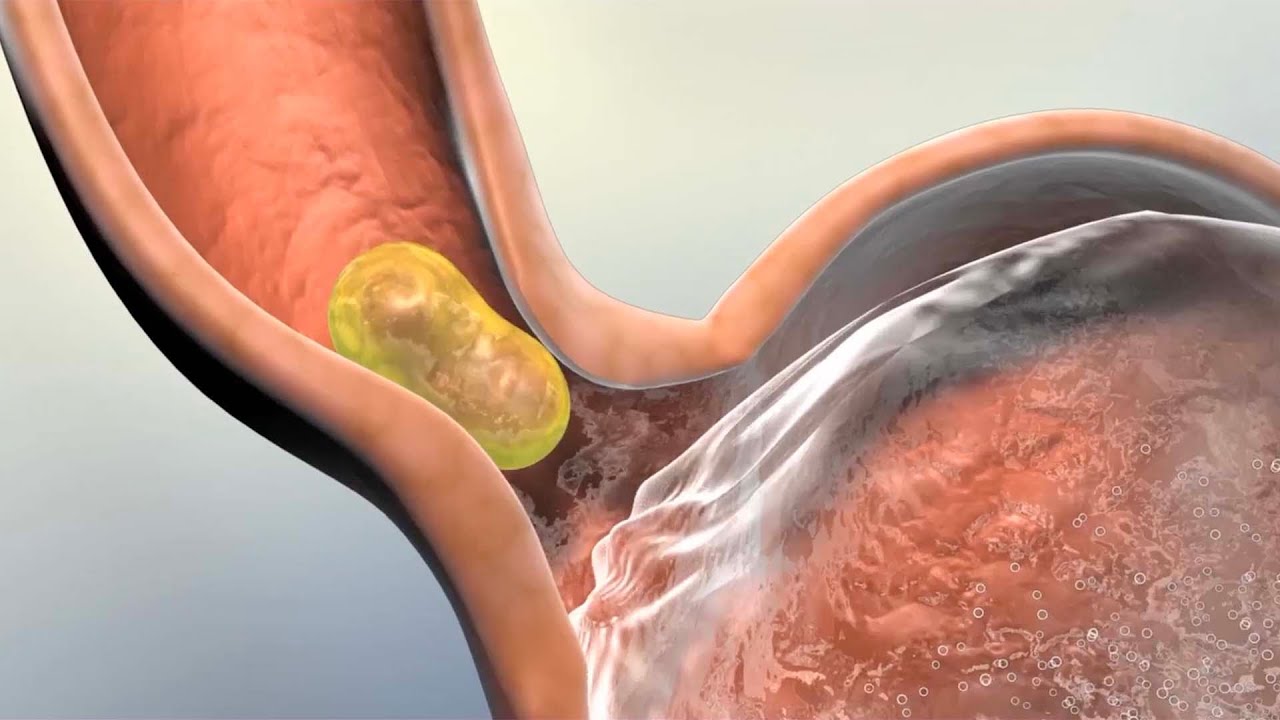
How to Boost Digestion & Detox After A Big Meal

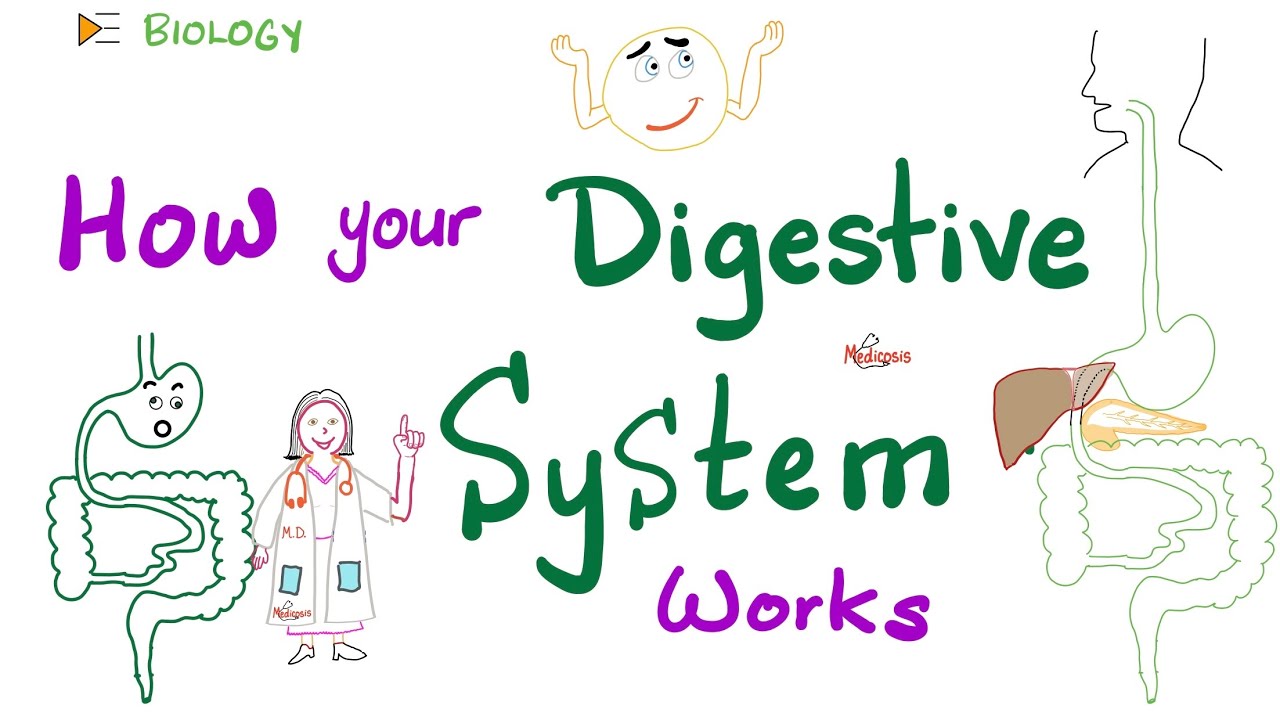
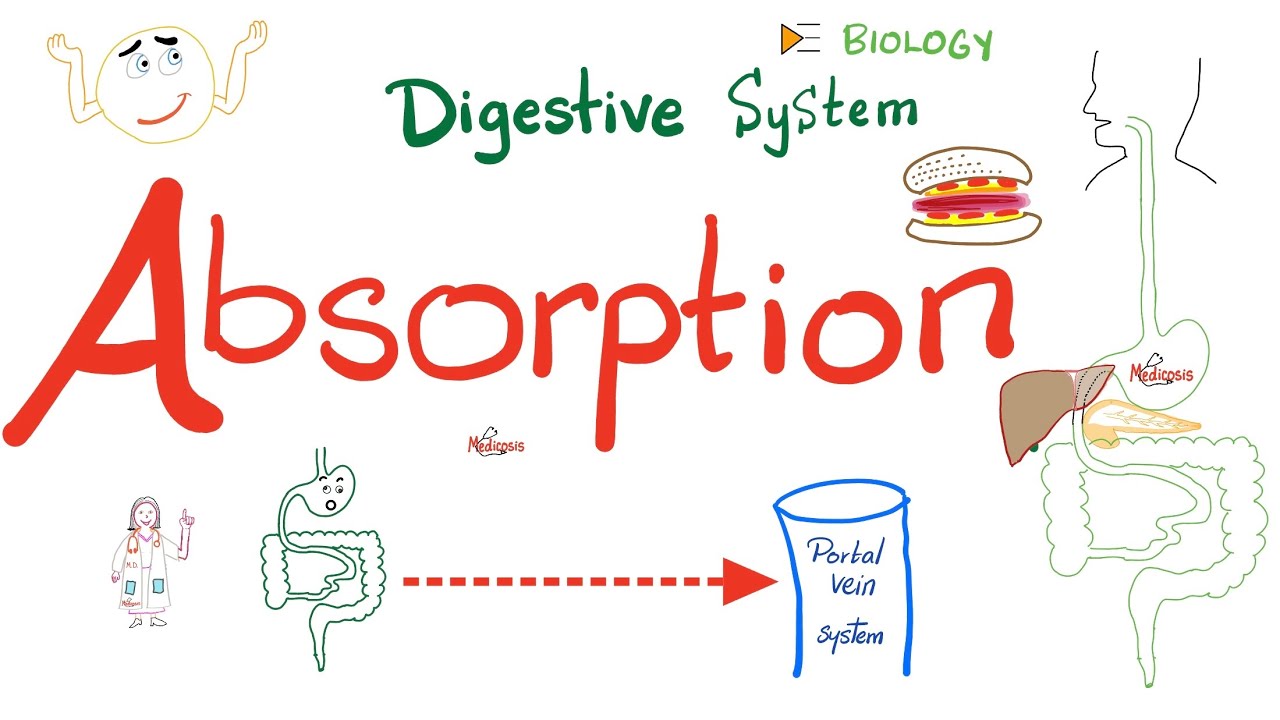

Human Physiology - Fluid Flow in the Gastrointestinal System
Managing Your Absorption Of Nutrients From Supplements & Food
How Does Water Affect Your Digestive System?
The chemical mediators of digestive activity
The coordination of digestive processes is mediated in the first instance by batteries of neurohumoral agents, chemicals that range from familiar endocrine hormones, standard neurotransmitters and chemical mediators, found also in the CNS and other body tissues, to gut-specific chemical agents. Each may be elicited by several receptor types in the gut wall and may be sensitive to different secreted, metabolized, dietary or pharmacological agents. These interactions, although highly complex and multilayered, are all integrated into a whole control mechanism for digestive activity. Many constituents of herbal remedies are likely to interact with chemical mediators and this may provide some mechanisms for their effect on gut function. When these interactions are combined with similar examples in the nervous, endocrine, immunological and reproductive systems it appears that herbal medicine might genuinely provide a unique ‘psychoneuroimmunology’ strategy for the widest body disharmonies, one moreover that is centered on the gut.
Poor upper digestive function can be a consequence of prolonged or serious illness or can occur with convalescence. Digestive function can deteriorate with age. Poor digestion is also reflected in children by their failure to thrive, anemia and susceptibility to infections. Symptoms include anorexia, a prolonged sensation of fullness or stagnation after eating, undigested food in stools, belching or flatulence, intolerance of fatty foods and nausea. However, poor upper digestive function may be largely asymptomatic in itself but may contribute to other conditions such as food intolerance or allergies, intestinal dysbiosis (abnormal bowel flora), constipation, nutrient deficiencies and migraine headaches. Herbal clinicians believe that many chronic diseases originally begin with poor digestive function and good upper digestive function is a prerequisite for a healthy digestive system.
Herbs that improve upper digestive function can be divided into four groups:
- Simple bitters such as Gentiana lutea, which improve most aspects of upper digestive function
- Aromatic digestives such as Angelica archangelica,Cinnamomum (cinnamon) and Coleus forskohlii that improve gastric acid secretions. Coleus also improves exocrine pancreatic function
- Pungent herbs such as ginger and cayenne that are potent stimulators of gastric acid and other aspects of digestive function
- Choleretic herbs such as barberry, milk thistle and dandelion root that improve bile production by the liver
- Cholagogue herbs such as peppermint that improve gallbladder function
If there is evidence of liver weakness, including previous pesticide exposure, history of hepatitis or symptoms such as nausea after rich or fatty food, the above treatment might need to strongly focus on the choleretic herbs together with hepatic trophorestoratives. If the patient notices excessive irritability after using any of the above herbs, its recommended to reduce the dose and/or delete any bitter or choleretic herbs, including Berberis
Source: Bone & Mills
Absorption
It is classically taught that absorption is predominantly takes place in the villa's compartment and that's where your nutrients would be digested and then reabsorbed not reabsorbed but absorbed across these enterocytes .