Growing Ginger
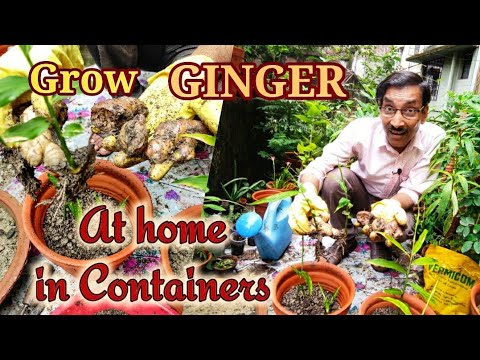
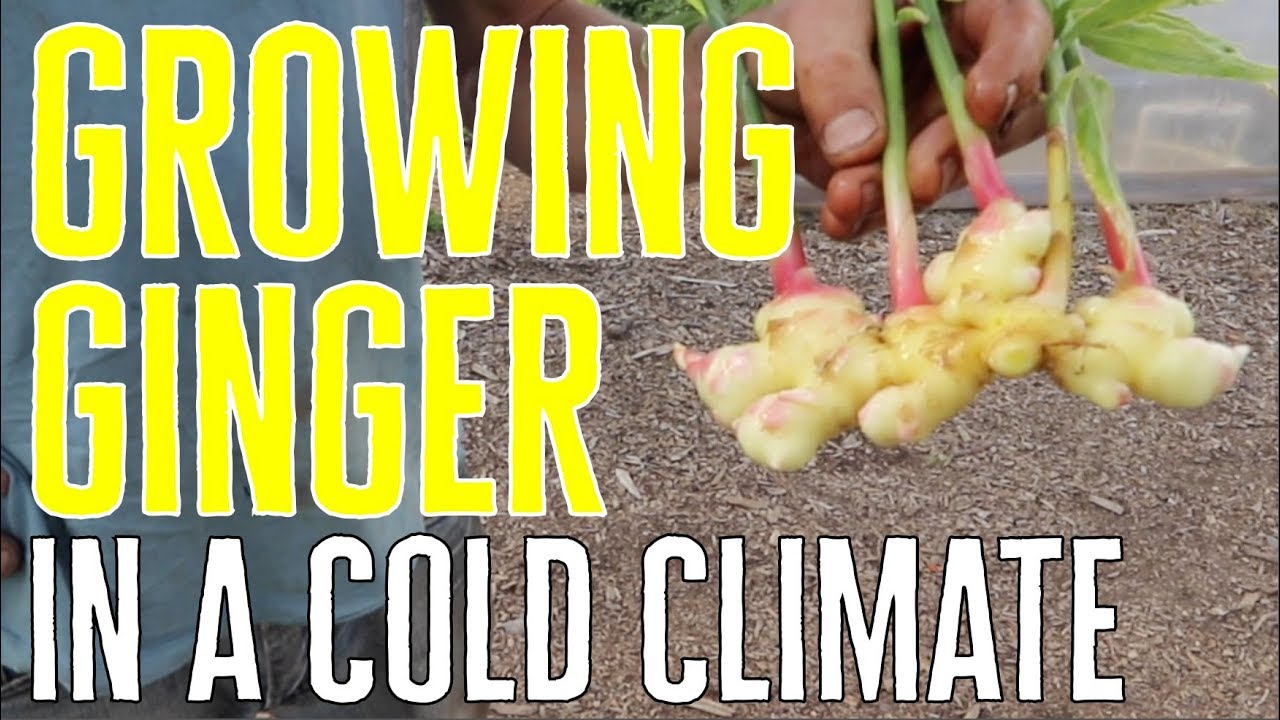
Ginger thrives in warm, humid climates and requires a long growing season.
Selecting the Right Ginger Rhizome
The first step in growing ginger is selecting a healthy rhizome. You can purchase ginger rhizomes from a garden center or even use fresh ginger from the grocery store. When choosing a rhizome, look for the following characteristics:
- Plump and firm texture
- Smooth skin with no signs of mold or rot
- Visible "eyes" or growth buds
Preparing the Soil
Ginger prefers well-draining, fertile soil rich in organic matter. To prepare the soil:
- Choose a location with partial to full shade, as ginger does not tolerate direct sunlight well.
- Amend the soil with compost or well-rotted manure to improve fertility and drainage.
- Ensure the soil pH is between 5.5 and 6.5, which is slightly acidic to neutral.
Planting Ginger
Once you have your rhizome and prepared soil, it's time to plant:
- Cut the Rhizome: If your rhizome is large, cut it into smaller pieces, each with at least one eye. Allow the cut pieces to dry for a day to form a callus, which helps prevent rot.
- Planting Depth: Plant the rhizome pieces 2-4 inches deep with the eyes facing upward.
- Spacing: Space the rhizome pieces 8-12 inches apart to allow room for growth.
Watering and Mulching
Ginger requires consistent moisture but should not be waterlogged. Here are some tips for watering and mulching:
- Water the soil evenly and keep it moist, especially during dry periods.
- Mulch around the plants with organic material like straw or leaves to retain moisture and suppress weeds.
- Avoid overwatering, as this can lead to root rot.
Fertilizing Ginger
Ginger is a heavy feeder and benefits from regular fertilization:
- Apply a balanced, slow-release fertilizer at planting time.
- Supplement with a liquid fertilizer high in potassium every few weeks during the growing season.
- Avoid high-nitrogen fertilizers, as they can promote excessive foliage growth at the expense of rhizome development.
Managing Pests and Diseases
Ginger is relatively pest-resistant, but it can still be affected by certain pests and diseases:
- Aphids and Spider Mites: These can be controlled with insecticidal soap or neem oil.
- Root Rot: Prevent by ensuring proper drainage and avoiding overwatering.
- Fungal Infections: Use a fungicide if necessary and practice crop rotation to reduce the risk.
Harvesting Ginger
Ginger can be harvested at different stages depending on your needs:
- Young Ginger: Harvested after 4-6 months, young ginger has a milder flavor and tender skin.
- Mature Ginger: Harvested after 8-10 months, mature ginger has a stronger flavor and tougher skin.
To harvest, carefully dig around the plant and lift the rhizome. You can harvest the entire plant or just a portion, allowing the rest to continue growing.
Storing Ginger
Proper storage is essential to maintain the quality of your ginger:
- Fresh Ginger: Store in the refrigerator for up to a few weeks.
- Dried Ginger: Slice and dry the ginger in a dehydrator or oven, then store in an airtight container.
- Frozen Ginger: Peel and freeze the ginger in airtight bags for long-term storage.