Thyroid
Return to Endocrine System Menu
Videos

Physiology & Pathology:
Thyroid Reconnected with Dr. Kelly Eubanks
Target Organs of the Thyroid
Dr. Amy Myers - The Thyroid Connection
Restoration Thyroid: Body Temperature and Pulse
Nutritional Crash Course on Thyroid Function
7 Foods that Support Thyroid Health
The Best Diet for Thyroid Function Part 1
The Best Diet for Thyroid Function Part 2
How the Thyroid Works
Approaches to Thyroid Health with Natalie Douglas
Brain Chemistry's Impact on Thyroid Function
Thyroid Lymph Connection
Review of Thyroid Physiology
Thyroid Health is Dependent on the Liver
The Nutritional Approach For Your Thyroid Health
The Top Minerals & Nutrients for Thyroid Function
Natural Thyroid Treatment
Importance of Vitamin A
How diet and nutrition affect the thyroid
Food-Based Solutions for Your Thyroid
Intermittent Fasting and Your Thyroid
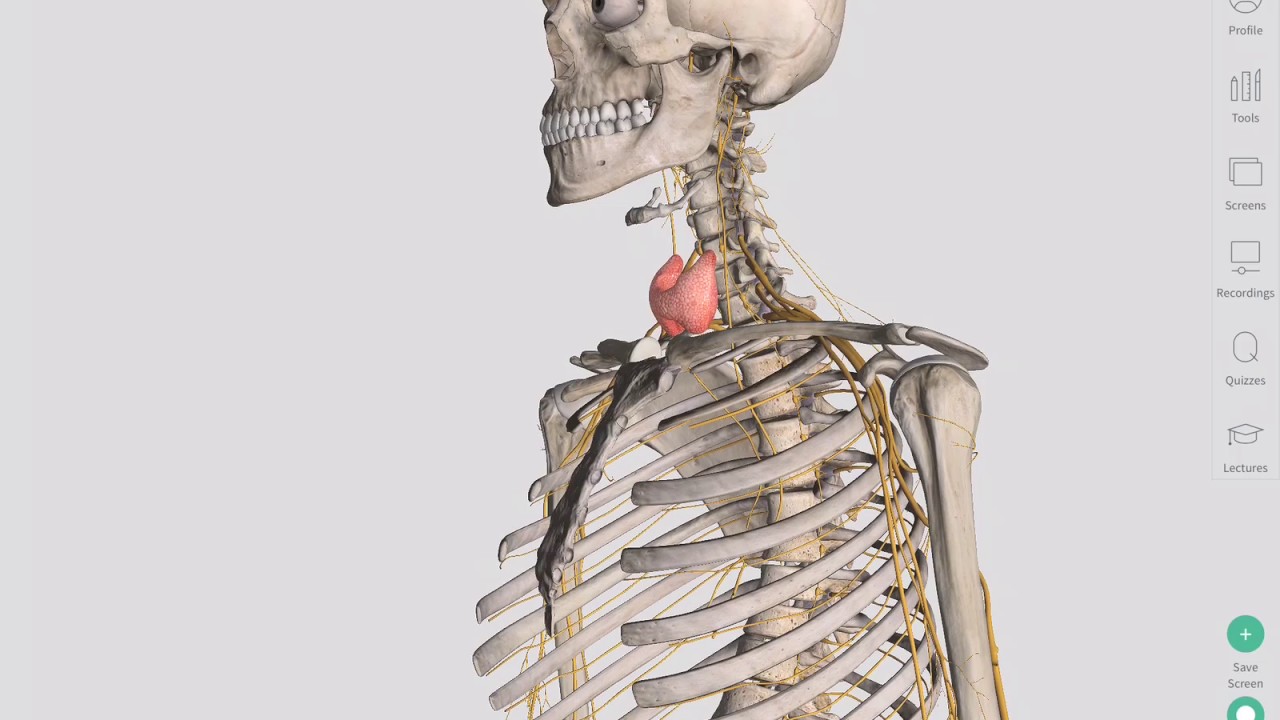
Thyroid Anatomy

Thyroid and Parathyroid Glands
Why You Should Know About Your Thyroid
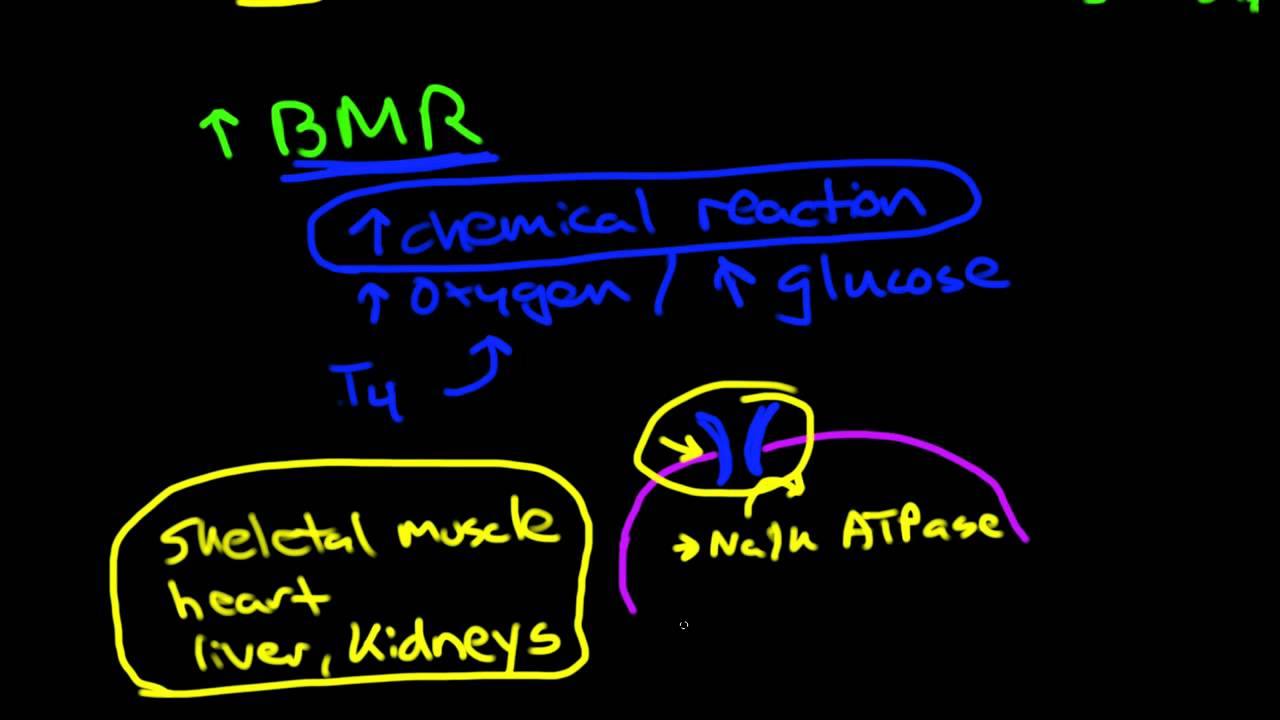
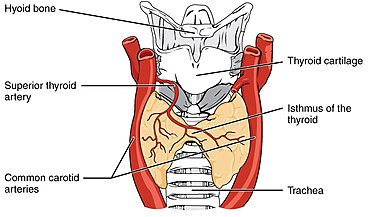
The thyroid gland, or simply the thyroid is an endocrine gland in the neck, and consists of two lobes connected by an isthmus. It is found at the front of the neck, below the Adam's apple. The thyroid gland secretes thyroid hormones, which primarily influence the metabolic rate and protein synthesis. The hormones also have many other effects including those on development. The thyroid hormones T3 and T4 are synthesized from iodine and tyrosine. The thyroid also produces the hormone calcitonin, which plays a role in calcium homeostasis.
Hormonal output from the thyroid is regulated by thyroid-stimulating hormone (TSH) secreted from the anterior pituitary, which itself is regulated by thyrotropin-releasing hormone (TRH) produced by the hypothalamus
The thyroid may be affected by several diseases. Hyperthyroidism occurs when the gland produces excessive amounts of thyroid hormones, the most common cause being Graves' disease—an autoimmune disorder. In contrast, hypothyroidism is a state of insufficient thyroid hormone production. Worldwide, the most common cause is iodine deficiency. Thyroid hormones are important for development, and hypothyroidism secondary to iodine deficiency remains the leading cause of preventable intellectual disability. In iodine-sufficient regions, the most common cause of hypothyroidism is Hashimoto's thyroiditis—also an autoimmune disease. In addition, the thyroid gland may also develop several types of nodules and cancer.
Good thyroid function is necessary for resistance to bacterial infection, for regulation of blood sugar, neurotransmitters, and hormones related to mood, and for the formation of progesterone.