Menstrual Cycle
Understanding the Menstrual Cycle
The menstrual cycle is a natural and complex process that occurs in the female reproductive system. It is a crucial aspect of reproductive health and plays a significant role in a woman's life. Understanding the menstrual cycle can help in recognizing normal patterns and identifying potential health issues.
Phases of the Menstrual Cycle
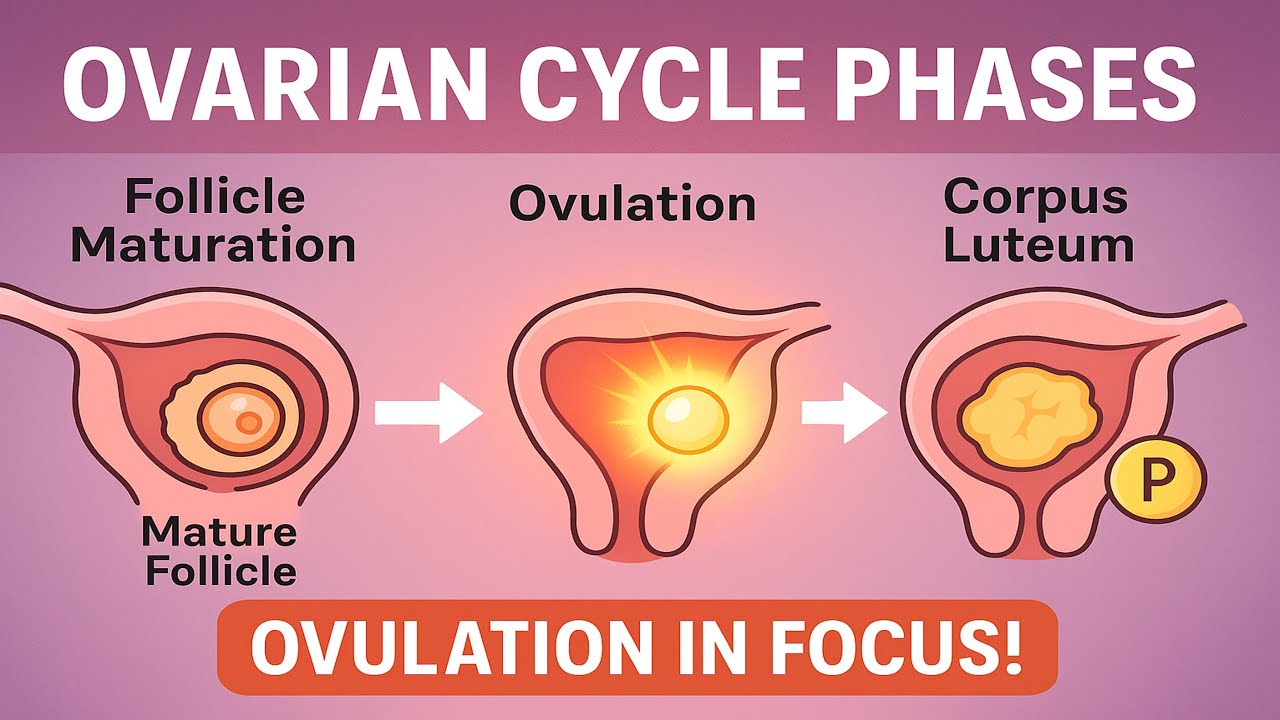
The menstrual cycle is typically divided into four main phases:
- Menstrual Phase:
- This phase marks the beginning of the cycle and lasts about 3 to 7 days.
- It involves the shedding of the uterine lining, resulting in menstrual bleeding.
- Hormone levels, particularly estrogen and progesterone, are at their lowest during this phase.
- Follicular Phase:
- Occurring concurrently with the menstrual phase, it extends from day 1 to around day 14 of the cycle.
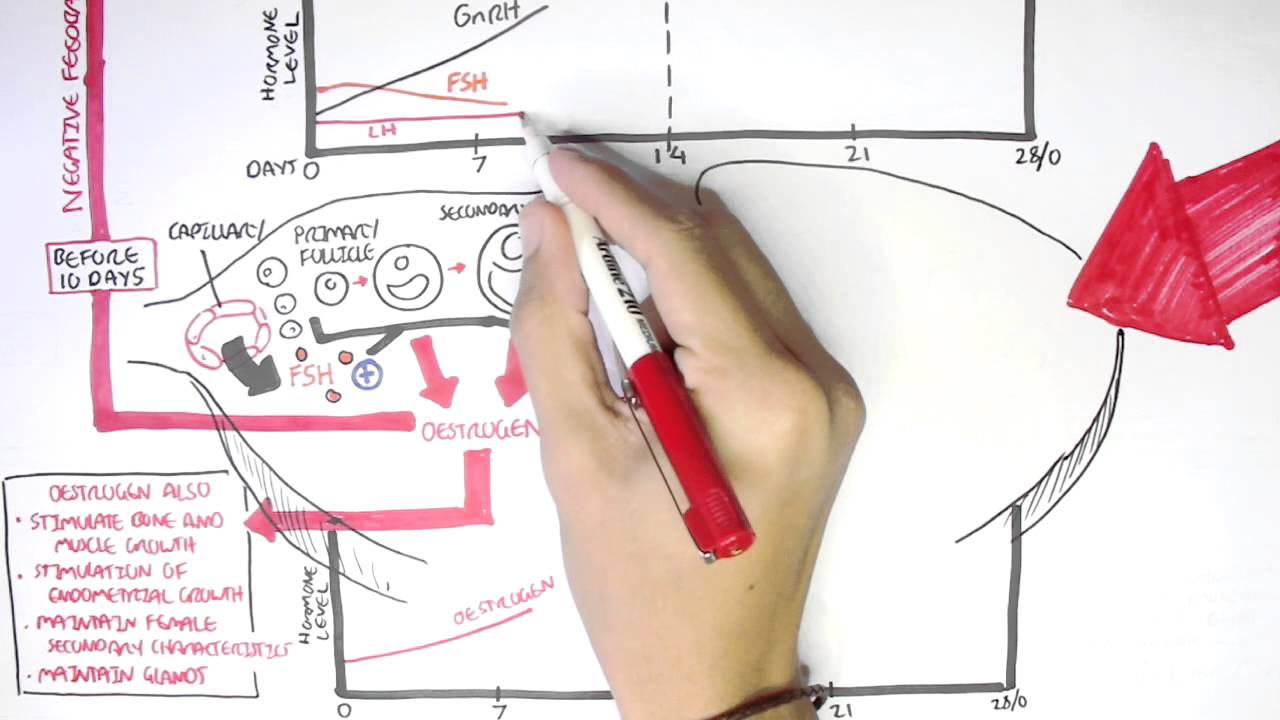
- The pituitary gland releases follicle-stimulating hormone (FSH), which stimulates the ovaries to produce follicles.
- One follicle will mature into an egg, while the others disintegrate.
- Estrogen levels rise, leading to the thickening of the uterine lining in preparation for a potential pregnancy.
- Ovulation Phase:
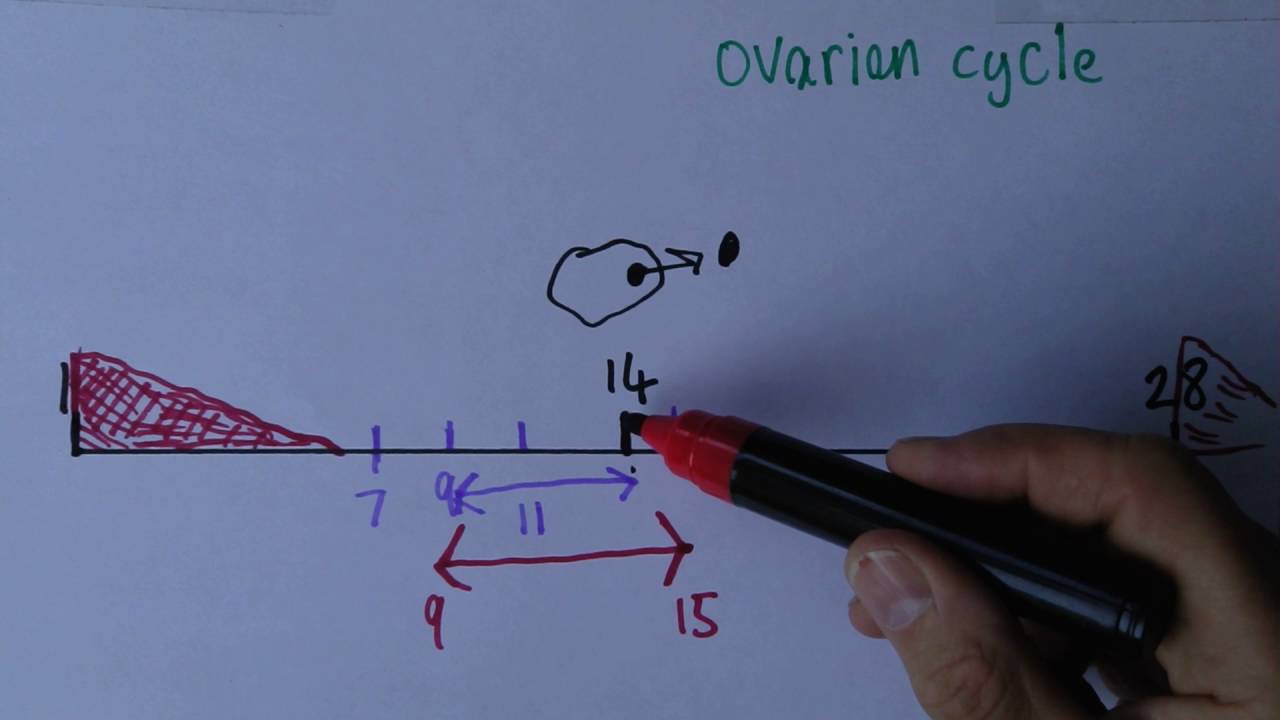
- Typically occurring around day 14 in a 28-day cycle, ovulation is the release of a mature egg from the ovary.
- A surge in luteinizing hormone (LH) triggers ovulation.
- The egg travels down the fallopian tube, where it may meet sperm and become fertilized.
- Luteal Phase:
- This phase lasts from ovulation until the start of menstruation, approximately 14 days.
- The ruptured follicle transforms into the corpus luteum, which secretes progesterone.
- Progesterone maintains the uterine lining for a potential pregnancy.
- If fertilization does not occur, the corpus luteum degenerates, leading to a drop in hormone levels and the onset of menstruation.
Hormonal Regulation
The menstrual cycle is regulated by a complex interplay of hormones:
- Estrogen: Produced by the ovaries, it is crucial for the development of the uterine lining and the regulation of the menstrual cycle.
- Progesterone: Also produced by the ovaries, it stabilizes the uterine lining and supports early pregnancy.
- Follicle-Stimulating Hormone (FSH): Stimulates the growth of ovarian follicles.
- Luteinizing Hormone (LH): Triggers ovulation and the formation of the corpus luteum.
Common Menstrual Cycle Issues
Several issues can arise during the menstrual cycle, affecting its regularity and causing discomfort:
- Amenorrhea: The absence of menstruation, which can be primary (never having menstruated) or secondary (cessation of menstruation after it has begun).
- Dysmenorrhea: Painful menstruation, often involving severe cramps.
- Menorrhagia: Heavy or prolonged menstrual bleeding.
- Premenstrual Syndrome (PMS): A group of symptoms, including mood swings, bloating, and irritability, occurring before menstruation.
- Polycystic Ovary Syndrome (PCOS): A hormonal disorder causing irregular cycles, among other symptoms.
Managing Menstrual Health
Maintaining menstrual health involves understanding one's cycle and addressing any irregularities or discomforts. Here are some tips:
- Track Your Cycle: Use a calendar or an app to monitor the length and symptoms of your cycle.
- Healthy Lifestyle: A balanced diet, regular exercise, and adequate sleep can help regulate the menstrual cycle.
- Consult Healthcare Providers: Seek medical advice if you experience severe pain, irregular cycles, or other concerning symptoms.
- Stress Management: Stress can impact hormone levels and cycle regularity, so practices like yoga and meditation can be beneficial.
The hypothalamus and pituitary give initial signal to produce estrogen and progesterone. We have several different axis of communication: HPA axis; HP thyroid axis; HP ovarian axis, HPAGG axis; if your cycle is off it may be because the hypothalamus and /or pituitary aren’t functioning properly or aren’t communicating to the ovary. Or, ovaries aren’t responsive to the signals. Under the direction of the hypothalamus and pituitary the adrenals produce DHEA which is a precursor to the androgens – estrogen and testosterone and, to some extent its pregnenalone which becomes progesterone. If the adrenals aren’t making the precursors, there are not enough hormones. The adrenal glands provide a link between stress and menstruation
The average age of menarche used to be around 12, but due to exposure to xenoestrogens we now see girls age 8-9 starting their periods.
As a woman enters the progesterone part of her cycle, insulin sensitivity starts to decrease resulting in cravings and intolerance to certain forms of exercise. Cyclic hormonal changes require women to customize diet and exercise according to where they are in their cycle. The first phase of the cycle is a good time for eating carbs (especially around exercise). In the second phase of the cycle, be careful with carb consumption, because you're more insulin resistant. However, your basal metabolic rate increases by about 200-300, so there's some leaway regarding carbs.
Videos
Hormonology with Gabrielle Lichterman
How to get pregnant
Can We Treat Alzheimer's With Period Blood?
Why are periods starting earlier than they used to?
Menstrual cycle & Hormones
OVULATION & THE MENSTRUAL CYCLE
Menstrual Cycle Before and After Baby
Why would a woman have no cycle? Why would a woman have an anovulatory cycle?
How to Support Female Cycle With Herbs?
Training on Your Cycle
How Your Menstrual Cycle Make You Estrogen Dominant?
Nutrition Levels / Cravings
Articles/Studies
Menstrual cycle phase predicts women's hormonal responses to sexual stimuli.
Is it true that periods synchronise when women live together?
In Tune With the Moon: Female Menstrual Cycle Influenced by Moonlight and Even the Moon’s Gravity