Breadnut / Maya Nut / Ramon Tree
Constituents:
The Breadnut tree, scientifically known as Brosimum alicastrum, is a versatile and valuable species native to the tropical regions of Central America and parts of the Caribbean. This tree, which belongs to the Moraceae family, is renowned for its nutritional seeds and ecological benefits. Often overshadowed by its more famous relative, the breadfruit, the breadnut deserves recognition for its potential contributions to food security, reforestation, and sustainable agriculture.
Botanical Characteristics
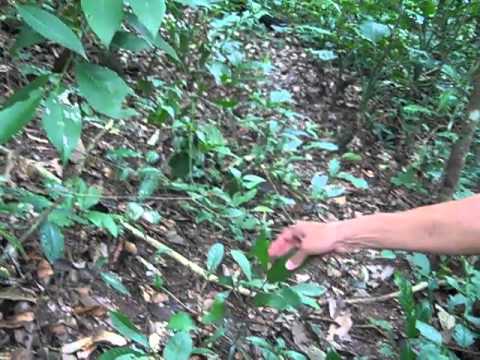
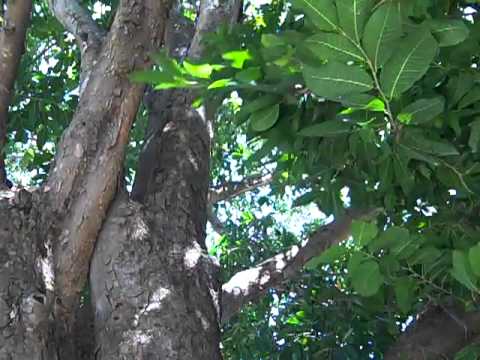
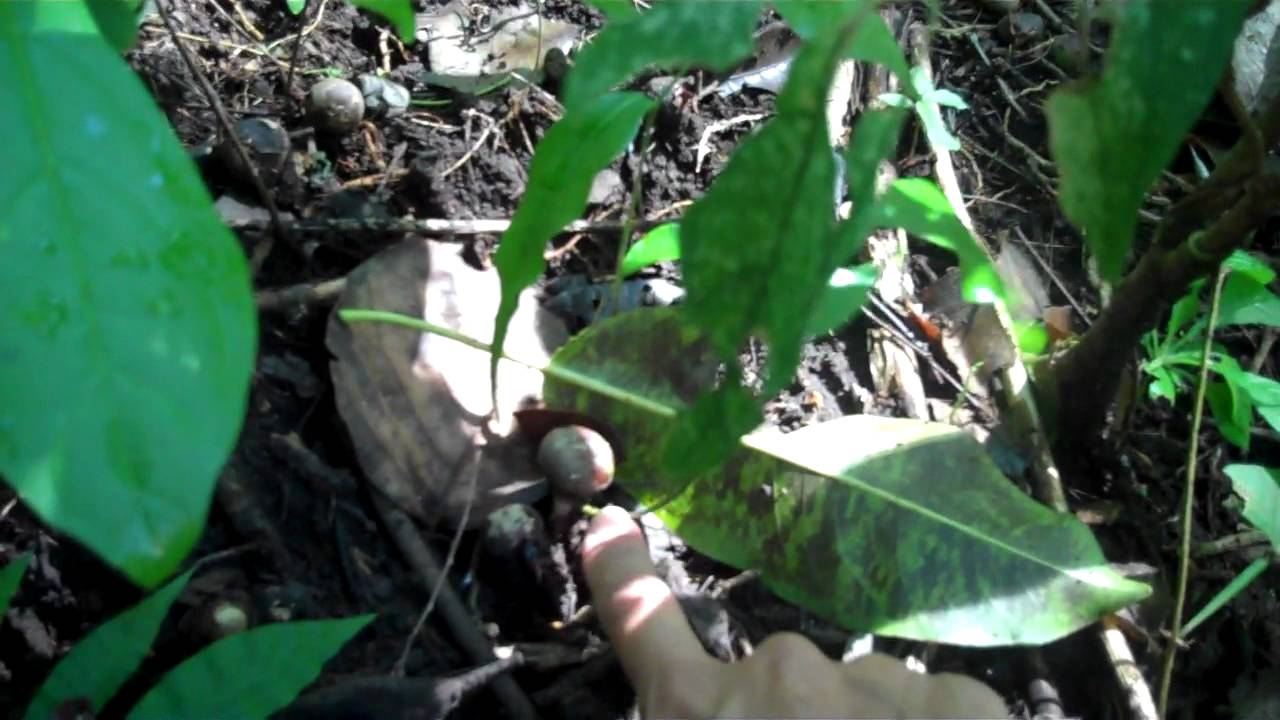
The Breadnut tree is a large, evergreen species that can grow up to 30 meters (approximately 98 feet) in height. It has a straight trunk with a diameter that can reach up to 1 meter (about 3.3 feet). The tree's bark is smooth and grayish-brown, while its leaves are large, glossy, and dark green, measuring up to 30 centimeters (about 12 inches) in length. The tree produces small, inconspicuous flowers that develop into round, spiky fruits, each containing several seeds.
Nutritional Value
The seeds of the Breadnut tree are highly nutritious and have been a staple food for indigenous communities for centuries. These seeds are rich in protein, carbohydrates, and essential fatty acids. They also contain significant amounts of vitamins and minerals, including:
- Vitamin C
- Vitamin A
- Calcium
- Iron
- Potassium
The seeds can be consumed in various forms. They can be boiled, roasted, or ground into flour to make bread, porridge, and other dishes. The versatility of breadnut seeds makes them an excellent food source, especially in regions where food security is a concern.
Ecological Benefits
The Breadnut tree plays a crucial role in maintaining ecological balance in tropical forests. It is a fast-growing species that can thrive in a variety of soil types, making it an excellent candidate for reforestation projects. Some of the ecological benefits of the Breadnut tree include:
- Soil Improvement: The tree's extensive root system helps prevent soil erosion and improves soil fertility by fixing nitrogen.
- Biodiversity Support: The Breadnut tree provides habitat and food for various wildlife species, including birds, mammals, and insects.
- Carbon Sequestration: As a large, fast-growing tree, the Breadnut is effective at capturing and storing carbon dioxide, helping mitigate climate change.
Cultural and Historical Significance
The Breadnut tree has been an integral part of the culture and history of many indigenous communities in Central America. It is often referred to as the "Maya nut" because of its importance to the ancient Maya civilization. The Maya people utilized the tree for its seeds, wood, and medicinal properties. The seeds were a crucial food source, especially during times of drought or crop failure.
In addition to its nutritional value, the Breadnut tree has various traditional uses. The wood is durable and resistant to termites, making it suitable for construction and furniture. The tree's latex has been used in traditional medicine to treat various ailments, including digestive issues and skin conditions.
Modern Applications and Potential
In recent years, there has been a renewed interest in the Breadnut tree due to its potential to address modern challenges such as food security, deforestation, and climate change. Some of the modern applications and potential benefits of the Breadnut tree include:
- Sustainable Agriculture: The Breadnut tree can be integrated into agroforestry systems, providing shade and improving soil health for other crops.
- Nutritional Supplements: The seeds can be processed into various forms, such as flour and oil, to create nutritious food products and supplements.
- Economic Opportunities: Cultivating and processing Breadnut seeds can create economic opportunities for rural communities, promoting sustainable livelihoods.
Challenges and Considerations
Despite its numerous benefits, the Breadnut tree faces several challenges that need to be addressed to fully realize its potential. These challenges include:
- Lack of Awareness: Many people are unaware of the Breadnut tree and its benefits, leading to underutilization.
- Market Development: Developing markets for Breadnut products can be challenging due to competition with more established crops and products.
- Conservation: Ensuring the conservation of wild Breadnut populations is essential to maintain genetic diversity and ecological balance.