Rose Myrtle
Constituents
Range: E. Asia - China, southern Japan, India, Sri Lanka, Myanmar, Thailand, Cambodia, Laos, Vietnam, Malaysia, Indonesia, Philippines
The Rose Myrtle, scientifically known as Rhodomyrtus tomentosa, is a captivating plant that belongs to the Myrtaceae family. This evergreen shrub is native to Southeast Asia, including regions such as southern China, Vietnam, Thailand, and the Philippines. It is also commonly referred to as the Downy Myrtle or the Hill Gooseberry. The Rose Myrtle is celebrated for its ornamental beauty, medicinal properties, and ecological significance.
Botanical Characteristics
Appearance
The Rose Myrtle is a small to medium-sized shrub that typically grows to a height of 1 to 3 meters. It features:
- Leaves: The leaves are simple, opposite, and elliptical to oblong in shape. They are dark green on the upper surface and lighter underneath, with a characteristic downy texture.
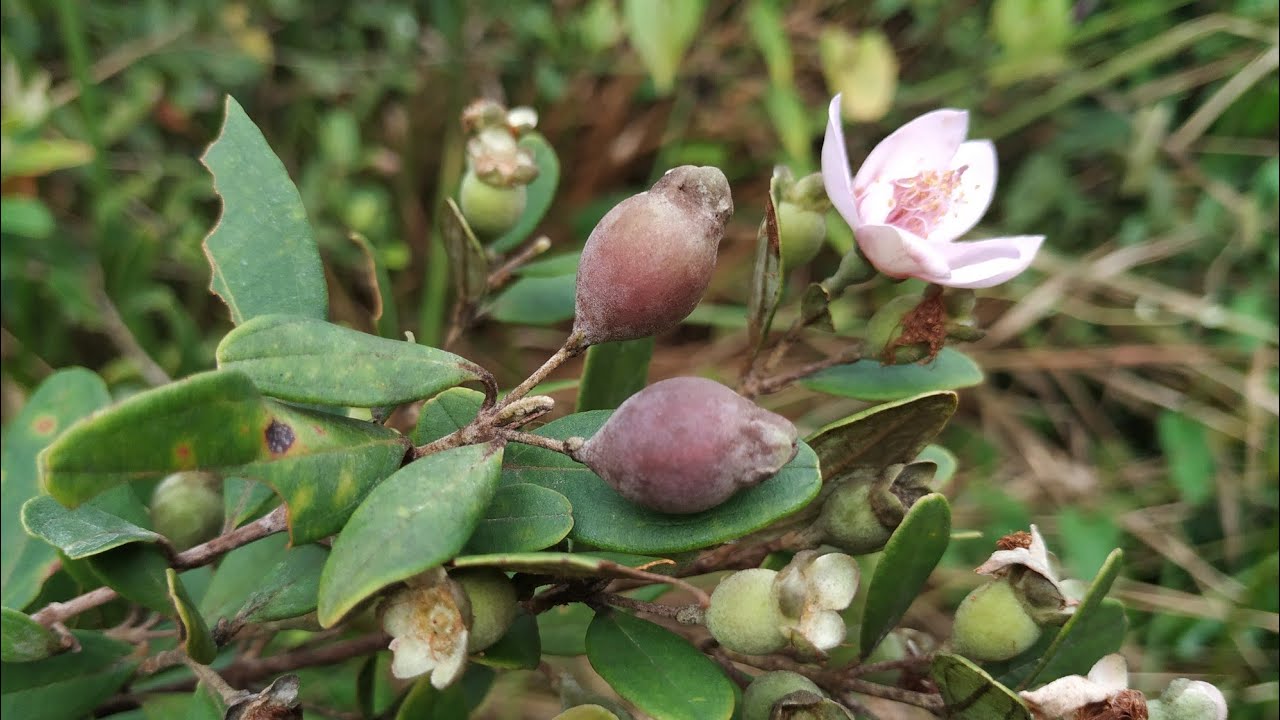
- Flowers: The plant produces stunning pink to purple flowers, each with five petals and numerous stamens. These flowers are not only visually appealing but also attract a variety of pollinators, including bees and butterflies.
- Fruits: Following the flowering period, the Rose Myrtle bears small, round berries that turn from green to dark purple or black as they ripen. These berries are edible and have a sweet-tart flavor.
Growth Conditions
The Rose Myrtle thrives in well-drained soils and prefers sunny to partially shaded environments. It is relatively hardy and can tolerate a range of soil types, from sandy to loamy. The plant is also drought-resistant once established, making it a suitable choice for xeriscaping.
Ecological Importance
The Rose Myrtle plays a significant role in its native ecosystems. Its flowers provide nectar and pollen for pollinators, while its fruits serve as a food source for various birds and mammals. Additionally, the dense foliage offers shelter and nesting sites for small animals.
Medicinal Uses
Traditional medicine has long recognized the therapeutic potential of the Rose Myrtle. Various parts of the plant, including the leaves, flowers, and fruits, are used in herbal remedies.
The fruit has been used as a cure for dysentery and diarrhea.
A decoction of the roots or leaves is drunk as a treatment for diarrhea and stomach-ache, and as a protective medicine after birth.
The crushed leaves are used to dress wounds
Some of the notable medicinal applications include:
- Antimicrobial Properties: Extracts from the Rose Myrtle have been shown to possess antimicrobial activity, making them useful in treating infections.
- Anti-inflammatory Effects: The plant's compounds can help reduce inflammation, providing relief for conditions such as arthritis and skin irritations.
- Antioxidant Activity: The berries are rich in antioxidants, which can help combat oxidative stress and support overall health.
Culinary Uses
Fruit - usually eaten raw, they are also made into pies and jellies. The fully ripe fruit is sweet and much liked by children. It is somewhat astringent before it is fully ripe. The purple oblong fruit is up to 15mm long and 10mm wide.
The fruits of the Rose Myrtle are not only nutritious but also versatile in the kitchen. They can be consumed fresh or used in various culinary preparations, such as:
- Jams and Jellies: The berries can be cooked down with sugar to make delicious spreads.
- Beverages: The juice of the berries can be used to make refreshing drinks or fermented into wine.
- Desserts: The fruits can be incorporated into pies, tarts, and other sweet treats.
Cultivation and Care
Growing Rose Myrtle can be a rewarding experience for gardeners. Here are some tips for successful cultivation:
- Planting: Choose a location with well-drained soil and adequate sunlight. Space the plants about 1 to 1.5 meters apart to allow for proper growth.
- Watering: Water the plants regularly during the initial establishment period. Once mature, the Rose Myrtle is relatively drought-tolerant.
- Pruning: Prune the shrub to maintain its shape and encourage healthy growth. Remove any dead or diseased branches.
- Fertilizing: Apply a balanced fertilizer during the growing season to support vigorous growth and flowering.
Potential Challenges
While the Rose Myrtle is generally low-maintenance, it can face some challenges:
- Pests: Common pests include aphids, spider mites, and scale insects. Regular monitoring and appropriate pest control measures can help manage infestations.
- Diseases: The plant may be susceptible to fungal diseases, particularly in humid conditions. Ensuring good air circulation and avoiding overhead watering can mitigate these issues.
Articles/Studies
Antibiotic for Staph Cutaneous Infections
Antimicrobial activity of rhodomyrtone isolated from Rhodomyrtus tomentosa (Aiton) Hassk.