Azacitidine / Vidaza
Azacitidine with checkpoint inhibitors for AML and MDS

Treatment toxicities

Treatment benefits for elderly AML patients with azacitidine

Understanding Efficacy of Azacitidine in Different MDS Subgroups
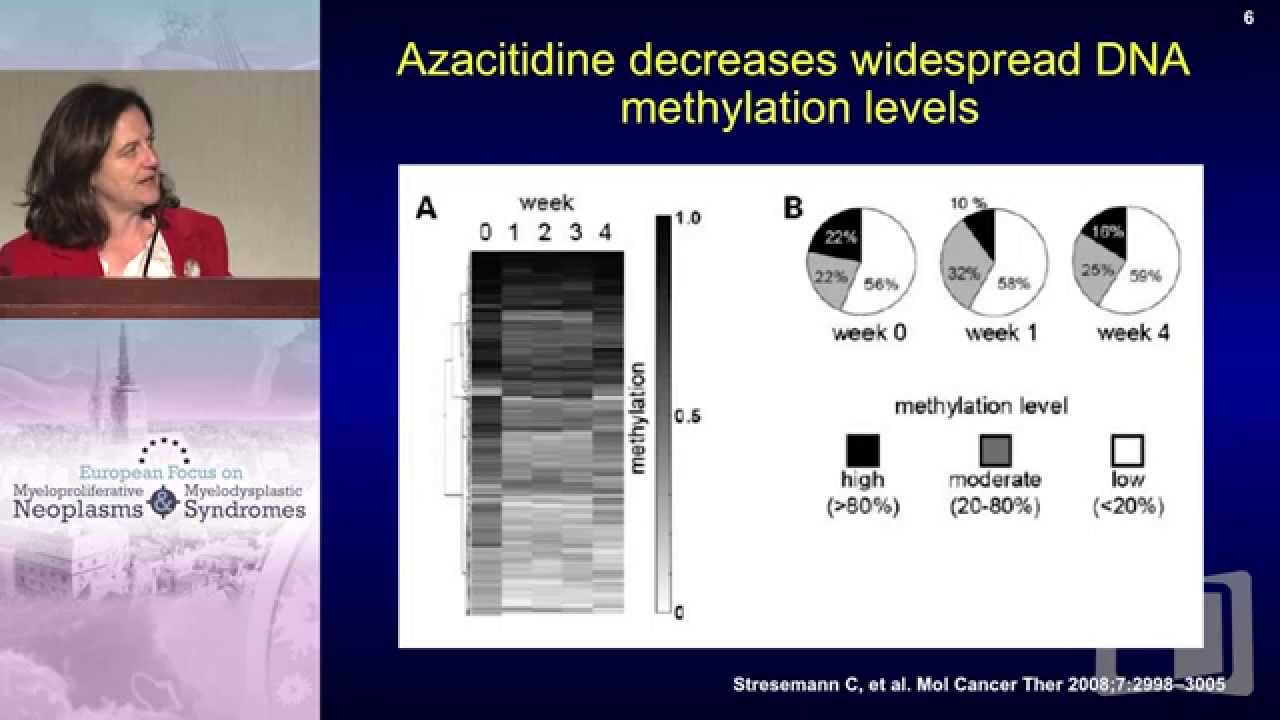
Azacitidine, marketed under the brand name Vidaza, is a chemotherapy drug used primarily in the treatment of certain types of blood disorders and cancers. It is particularly effective in managing myelodysplastic syndromes (MDS), a group of disorders caused by poorly formed or dysfunctional blood cells.
What is Azacitidine?
Azacitidine is a nucleoside metabolic inhibitor that works by incorporating into RNA and DNA, leading to the inhibition of DNA methylation. This action helps restore normal function to genes that control cell growth and differentiation, which can be disrupted in cancer cells. By doing so, Azacitidine can slow down or stop the growth of abnormal blood cells and promote the production of healthy blood cells.
Uses of Azacitidine
Azacitidine is primarily used to treat:
- Myelodysplastic Syndromes (MDS): These are a group of disorders characterized by ineffective production of blood cells, leading to anemia, infection, or bleeding.
- Chronic Myelomonocytic Leukemia (CMML): A type of cancer that starts in blood-forming cells of the bone marrow and invades the blood.
- Acute Myeloid Leukemia (AML): Azacitidine is sometimes used in older adults who are not candidates for intensive chemotherapy.
Mechanism of Action
Azacitidine works by:
- Inhibiting DNA Methylation: It incorporates into DNA and RNA, inhibiting the enzyme DNA methyltransferase. This leads to hypomethylation of DNA, which can reactivate tumor suppressor genes and induce cancer cell differentiation or death.
- Direct Cytotoxicity: Azacitidine also has a direct cytotoxic effect on abnormal hematopoietic cells in the bone marrow, leading to their death.
Administration
Azacitidine is administered either as a subcutaneous injection or an intravenous infusion. The typical treatment cycle involves daily administration for seven days, followed by a rest period of 21 days. This cycle is repeated every four weeks. The exact dosage and schedule may vary based on the patient's condition, response to treatment, and overall health.
Side Effects
Like all chemotherapy drugs, Azacitidine can cause side effects. Common side effects include:
- Nausea and Vomiting: These are the most common side effects and can often be managed with anti-nausea medications.
- Fatigue: Patients may experience tiredness or weakness.
- Injection Site Reactions: Redness, pain, or swelling at the injection site.
- Blood Disorders: Azacitidine can cause low blood cell counts, leading to anemia, increased risk of infection, or bleeding.
- Gastrointestinal Issues: Diarrhea or constipation may occur.
Less common but more serious side effects include liver or kidney problems, severe infections, and allergic reactions. Patients should report any unusual symptoms to their healthcare provider promptly.
Considerations for Patients
Patients undergoing treatment with Azacitidine should be aware of the following:
- Monitoring: Regular blood tests are necessary to monitor blood cell counts and organ function.
- Infection Risk: Due to potential low white blood cell counts, patients should take precautions to avoid infections, such as practicing good hygiene and avoiding crowds.
- Pregnancy and Breastfeeding: Azacitidine can harm an unborn baby, so it is important for patients to use effective contraception during treatment. Breastfeeding is not recommended during treatment.
- Drug Interactions: Patients should inform their healthcare provider of all medications they are taking, as Azacitidine can interact with other drugs.
Vitamin C enhances epigenetic modifications induced by 5-azacytidine.