Caper Spurge
Constituents
Euphorbia lathyris, commonly known as the Caper Spurge or Mole Plant, is a species within the Euphorbiaceae family. This biennial plant is native to Europe and Asia but has been naturalized in various parts of the world, including North America. Known for its unique appearance and various uses, Euphorbia lathyris has garnered attention from gardeners, herbalists, and researchers alike.
Botanical Characteristics
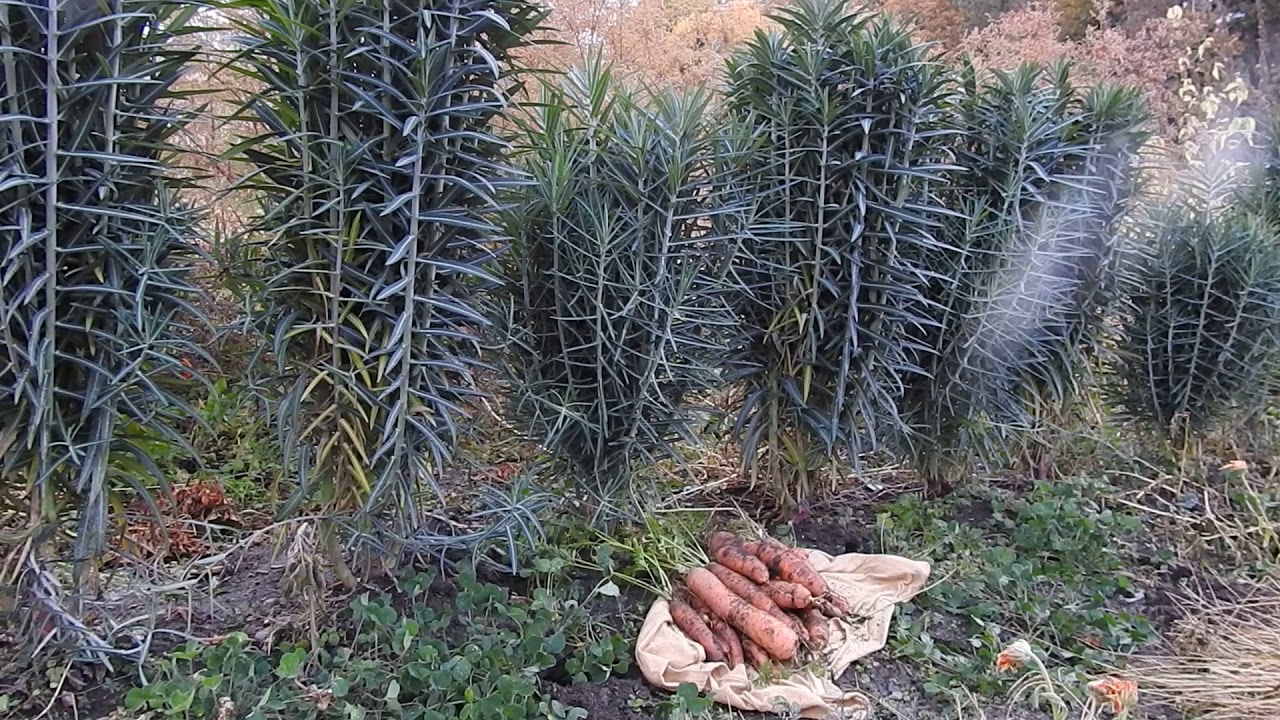
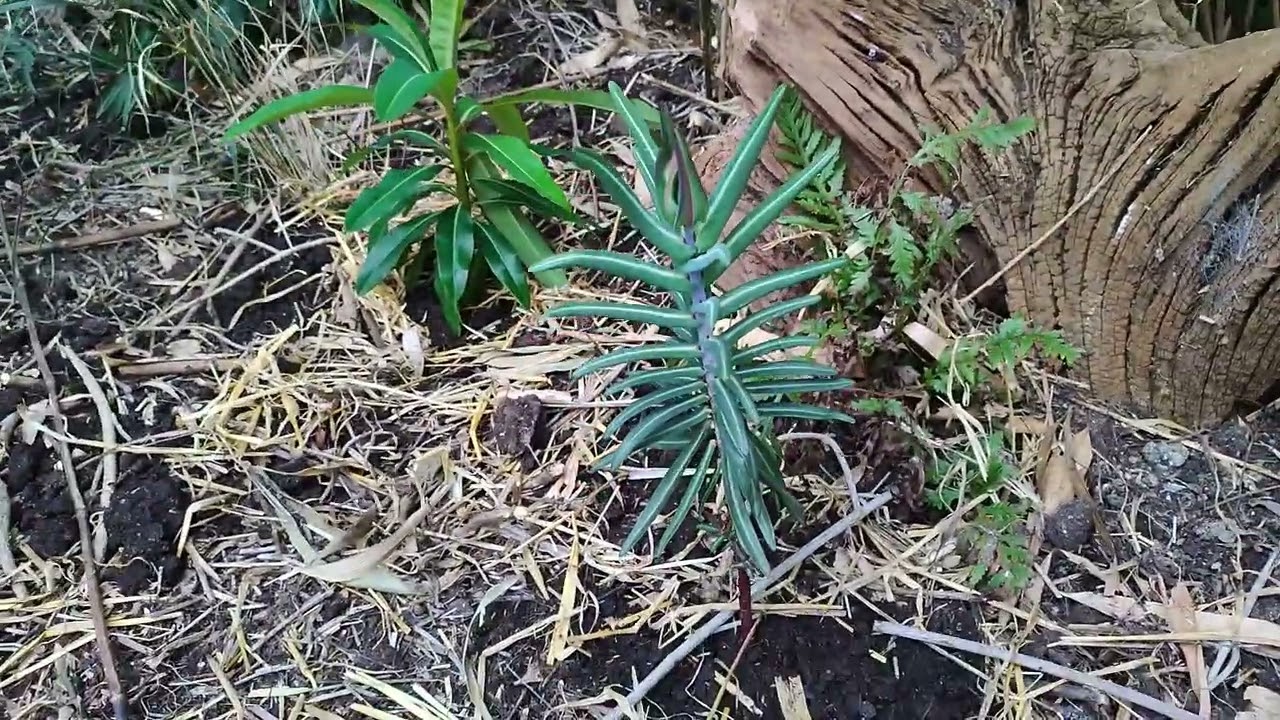
Euphorbia lathyris is a biennial plant, meaning it completes its life cycle in two years. In the first year, it forms a rosette of leaves close to the ground. In the second year, it sends up a tall, erect stem that can reach heights of up to 1.5 meters (approximately 5 feet). The plant is characterized by its:
- Leaves: Long, narrow, and lance-shaped, arranged in opposite pairs along the stem.
- Stems: Thick, hollow, and often tinged with a reddish hue.
- Flowers: Small, yellow-green, and clustered in umbels at the top of the stems.
- Fruit: A three-lobed capsule that contains seeds.
One of the most distinctive features of Euphorbia lathyris is its milky sap, which is toxic and can cause skin irritation upon contact.
Habitat and Cultivation
Euphorbia lathyris thrives in well-drained soils and can tolerate a range of conditions, from full sun to partial shade. It is often found in disturbed areas, such as roadsides, fields, and gardens. The plant is relatively low-maintenance and can be grown from seeds, which should be sown in the fall or early spring.
Growing Tips
- Soil Preparation: Ensure the soil is well-drained and moderately fertile.
- Sowing Seeds: Sow seeds directly into the ground, spacing them about 12 inches apart.
- Watering: Water the plants regularly, but avoid waterlogging.
- Maintenance: Remove any dead or diseased foliage to prevent the spread of pathogens.
Uses and Benefits
Euphorbia lathyris has been used for various purposes throughout history. Some of its notable uses include:
Traditional Medicine
In traditional medicine, the plant's sap has been used as a purgative and to treat skin conditions. However, due to its toxic nature, it should be used with caution and under the guidance of a qualified healthcare provider.
Pest Control
One of the most popular uses of Euphorbia lathyris is as a natural mole repellent. The plant's roots are believed to emit a scent that deters moles and other burrowing animals. Gardeners often plant it around the perimeter of their gardens to protect their crops.
Ornamental Use
With its striking appearance, Euphorbia lathyris is also grown as an ornamental plant. Its tall, architectural form and unique foliage make it a standout addition to any garden.
Toxicity and Precautions
While Euphorbia lathyris has several beneficial uses, it is important to handle the plant with care due to its toxic sap. The sap contains compounds called diterpenes, which can cause severe skin irritation, blistering, and even temporary blindness if it comes into contact with the eyes. Here are some precautions to take when handling the plant:
- Wear Gloves: Always wear gloves when handling the plant to avoid skin contact with the sap.
- Eye Protection: Use eye protection to prevent sap from splashing into your eyes.
- Wash Hands: Wash your hands thoroughly after handling the plant.
- Keep Away from Children and Pets: Ensure that children and pets do not come into contact with the plant.
ENVIRONMENTAL IMPACT
Euphorbia lathyris can become invasive in some regions, outcompeting native vegetation and disrupting local ecosystems. It is important to monitor its growth and prevent it from spreading uncontrollably. In some areas, it is considered a noxious weed and may be subject to control measures.